

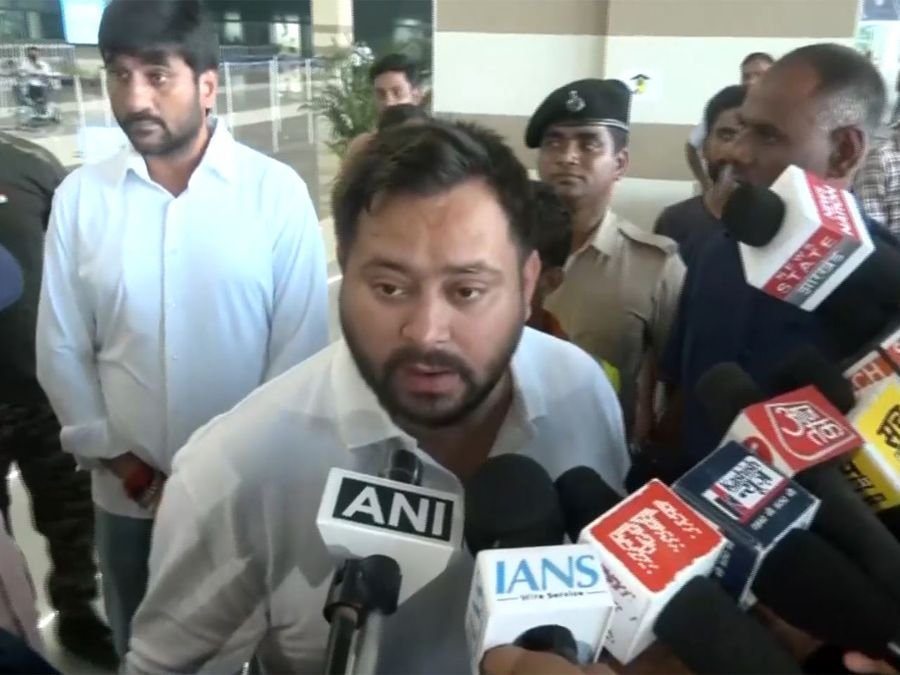
Tejashwi Yadav Welcomes Supreme Court Verdict on Waqf Amendment Act
In Patna, Bihar, RJD leader and former Deputy Chief Minister Tejashwi Yadav shared his thoughts on the Supreme Court’s latest ruling on the Waqf (Amendment) Act 2025. Speaking to reporters on Monday, Yadav made it clear that his party respects the court’s decision. "We welcome whatever the court decides," he said, adding that the Rashtriya Janata Dal (RJD) has also filed a petition in the matter.
This comes right after the Supreme Court turned down requests to halt the entire Waqf Amendment Act. Instead, a bench led by Chief Justice BR Gavai and Justice Augustine George Masih put a temporary hold on some key parts of the law. They want to review these provisions more closely before a final call on the Act’s constitutional validity.
The court zeroed in on a few controversial sections. First, it stayed the rule that says someone must practice Islam for five years to create a Waqf. The judges pointed out that without clear rules on how to check if a person follows Islam, this could lead to unfair power plays. This stay will last until the government frames proper guidelines.
Next, the bench blocked the part that lets a District Collector decide if a Waqf property has encroached on government land. "A Collector can’t judge disputes between private citizens—that goes against the separation of powers," the court ruled. Until a Waqf Tribunal steps in, no new rights can be created for third parties, and this provision stays on ice.
The Supreme Court also paused the limit on non-Muslims in Waqf bodies for now. It said state Waqf Boards can’t have more than three non-Muslims, and Central Waqf Councils are capped at four. Plus, the CEO of a Waqf Board should ideally be a Muslim. However, the court didn’t touch the registration requirement for Waqfs, noting it’s been around since the 1995 and 2013 laws.
During the hearing, the Centre defended some changes. It argued that non-Muslims weren’t allowed to create Waqfs under the old 1923 law to prevent fraud, and the five-year practice rule helps ensure genuine intent. The government highlighted that only the 2013 update opened it up to non-Muslims.
Several petitions challenged the Waqf Amendment Act, claiming it discriminates against the Muslim community and infringes on their fundamental rights. The Supreme Court’s interim order aims to balance these concerns while the full case plays out. Stay tuned for updates on this Waqf Act controversy as the top court delves deeper.
Stay informed on all the latest news, real-time breaking news updates, and follow all the important headlines in world News on Latest NewsX. Follow us on social media Facebook, Twitter(X), Gettr and subscribe our Youtube Channel.