

(source : ANI) ( Photo Credit : ani)
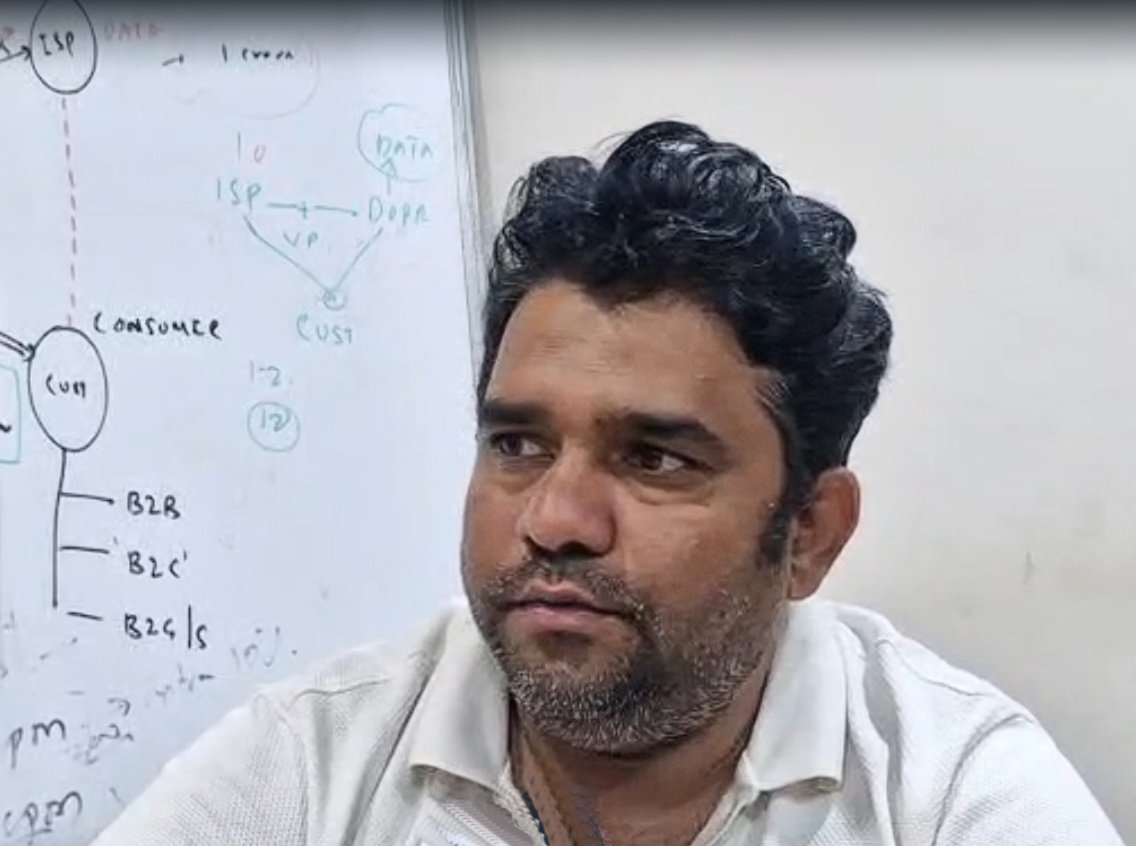
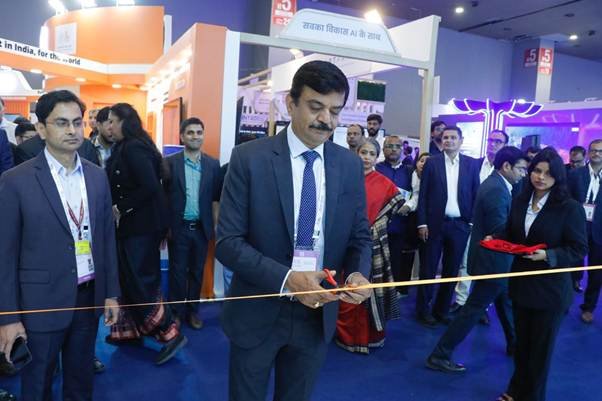
India faces a big challenge in building a strong minerals ecosystem to power its clean energy push, electric vehicles, and semiconductor dreams, says Vilas Tathavadkar, Chief Technology Officer at Hindalco Industries Ltd. Speaking on the sidelines of the Indian Mining Summit 2025 in New Delhi, organized by the Confederation of Indian Industry (CII), he stressed the need for quick action to achieve self-reliance in critical minerals.
Tathavadkar pointed out that India already produces key resources like gallium, vanadium, and tellurium as by-products from copper and aluminium mining. But the country lacks the tech and infrastructure to purify and use them for high-tech needs, such as semiconductors. “We have gallium, but we need purification to make it work for semiconductor applications. We must close these gaps in the value chain,” he told .
He highlighted a major hurdle: the shortage of skilled workers in mining and metallurgy. “The most critical thing is the skill set. We don’t have enough people in mining, metallurgy—whether in academia, industry, or even among policymakers,” Tathavadkar said. He urged industry, academia, and government to team up and create a steady supply of trained talent, calling it as important as the minerals themselves.
Time is running out, he warned. India can’t wait decades to fix this. “We don’t have the luxury of 50 years. We need to build the entire ecosystem fast—with startups, international partnerships, and quick solutions,” he added. Policy changes should cover the full value chain, from exploration and purification to end uses like battery storage and chip-making.
Recycling critical minerals is another key area India must tap, Tathavadkar emphasized. Without strong systems for collecting, sorting, and reusing old materials, the country will stay hooked on imports. He shared an example from Novelis, Hindalco’s US arm, where recycled aluminium cans hit store shelves again in just 45 days through a closed-loop system. India could follow suit to boost its circular economy.


Finally, he advised against focusing only on domestic needs, as that could make projects too costly. Instead, India needs a smart export policy for critical minerals to scale up production while safeguarding national interests. “We need a structured export policy that makes it economically viable and protects our priorities,” Tathavadkar concluded.
This push for a robust minerals ecosystem could help India lead in clean energy transition and advanced manufacturing, reducing reliance on global supplies.
Stay informed on all the latest news, real-time breaking news updates, and follow all the important headlines in world News on Latest NewsX. Follow us on social media Facebook, Twitter(X), Gettr and subscribe our Youtube Channel.