
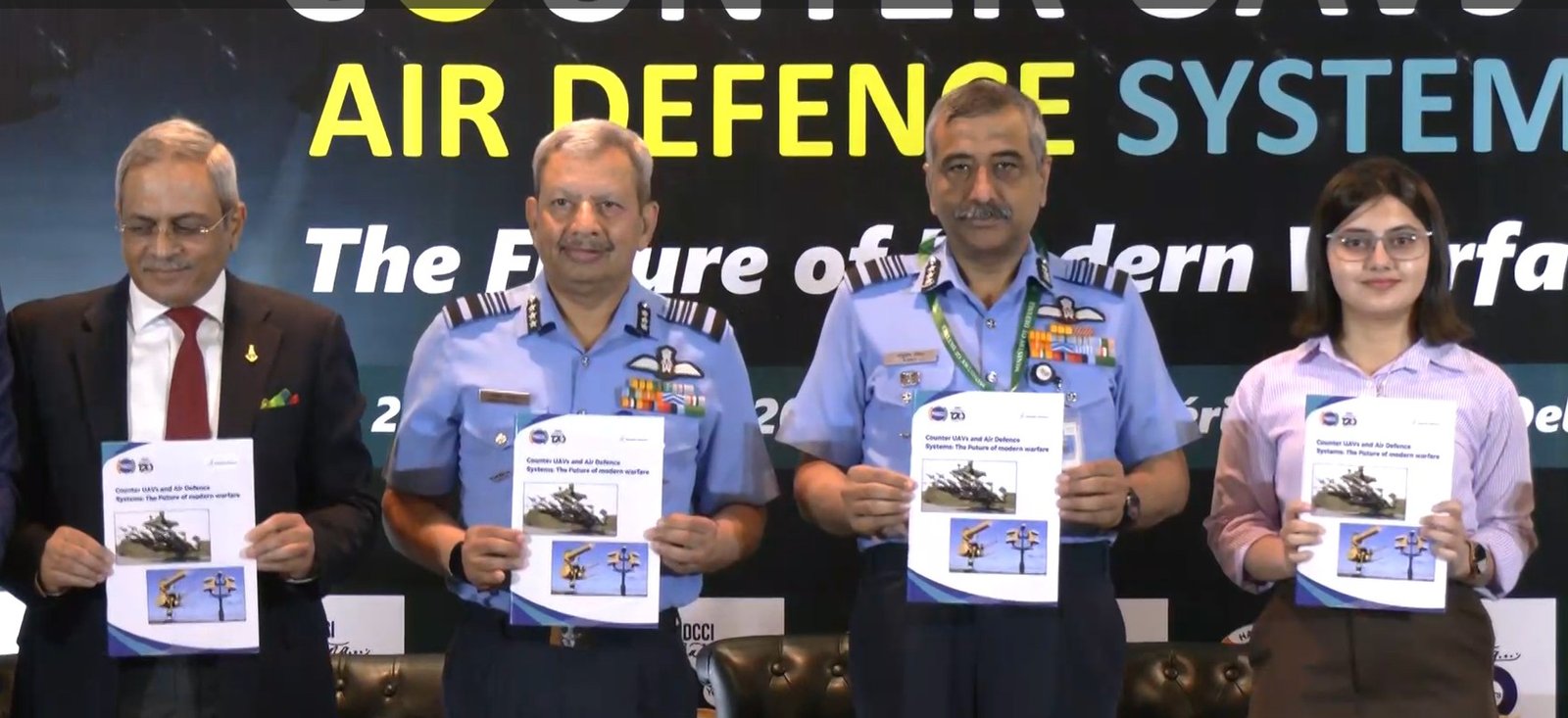
In New Delhi, Air Marshal Ashutosh Dixit, the Chief of Integrated Defence Staff, spotlighted the rising role of drone warfare and India’s push for homegrown defense tech. Speaking at a conference on counter-UAVs and air defense systems—the future of modern warfare—he drew key lessons from Operation Sindoor. That operation proved just how crucial self-reliance is for India’s national security.
The event, kicked off by the PHD Chamber of Commerce and Industry, brought together experts to tackle drone threats head-on. In an interview, Dixit shared how Operation Sindoor turned visions into reality. “Everyone’s motivated now,” he said. “We all want indigenous systems. Even the Prime Minister highlighted Mission Sudarshan Chakra and the need for homegrown engines. Self-reliance is the only way forward, and our future projects will lean on Make in India methods.”
Dixit admitted India still imports some drone components but stressed ongoing changes. “We’re reforming policies and rallying industry to produce them here,” he explained. Soon, a request for proposals on UAVs will prioritize local manufacturing, boosting India’s drone capabilities.
He praised India’s strides in building its own fighter jets and warships—a feat few nations achieve. “We’re always ready for any threat,” Dixit added. “Indigenous content keeps growing, and through asymmetric warfare, we’ll handle diverse risks to protect our security.”
At the conference, Dixit outlined a smart, multi-layered strategy against drones: combining radar, sensors, weapons, and AI integration. In hybrid warfare, drones pose both risks and chances for India. “We need affordable, reliable systems to stay ahead,” he urged.
Echoing these points, Deputy Chief Air Marshal Rakesh Sinha described a massive shift in warfare driven by cheap, widespread drones. Drawing from the Russia-Ukraine conflict, he noted that 60-70% of battlefield moves now involve unmanned aerial systems. “A $1,000 drone can take out a $200 million aircraft—that’s the scary power of asymmetric warfare,” Sinha said. He highlighted Ukraine’s massive output: 4.5 million drones a year.
Both leaders called on Indian businesses and researchers to ramp up innovation. They stressed blending local tech into drones and counter-UAV systems. In the end, success in future wars will hinge on mastering the drone challenge and strengthening self-reliant defense.
Stay informed on all the latest news, real-time breaking news updates, and follow all the important headlines in world News on Latest NewsX. Follow us on social media Facebook, Twitter(X), Gettr and subscribe our Youtube Channel.