GST 2.0 rate cuts to rev up growth in Delhi’s MSME, trade & hospitality sectors

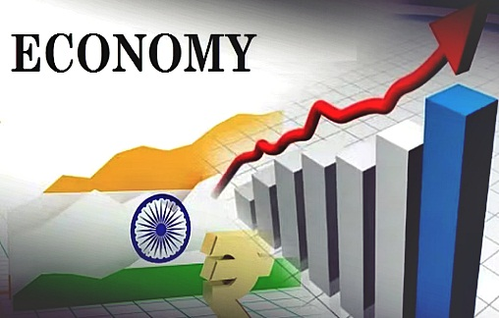
Delhi’s latest GST rate cuts are bringing real relief to everyday families, easing the pinch on household budgets while giving a big boost to the city’s economy. Small businesses, traders, and the hospitality industry stand to gain the most, thanks to lower costs, higher demand, and stronger competition in key sectors.
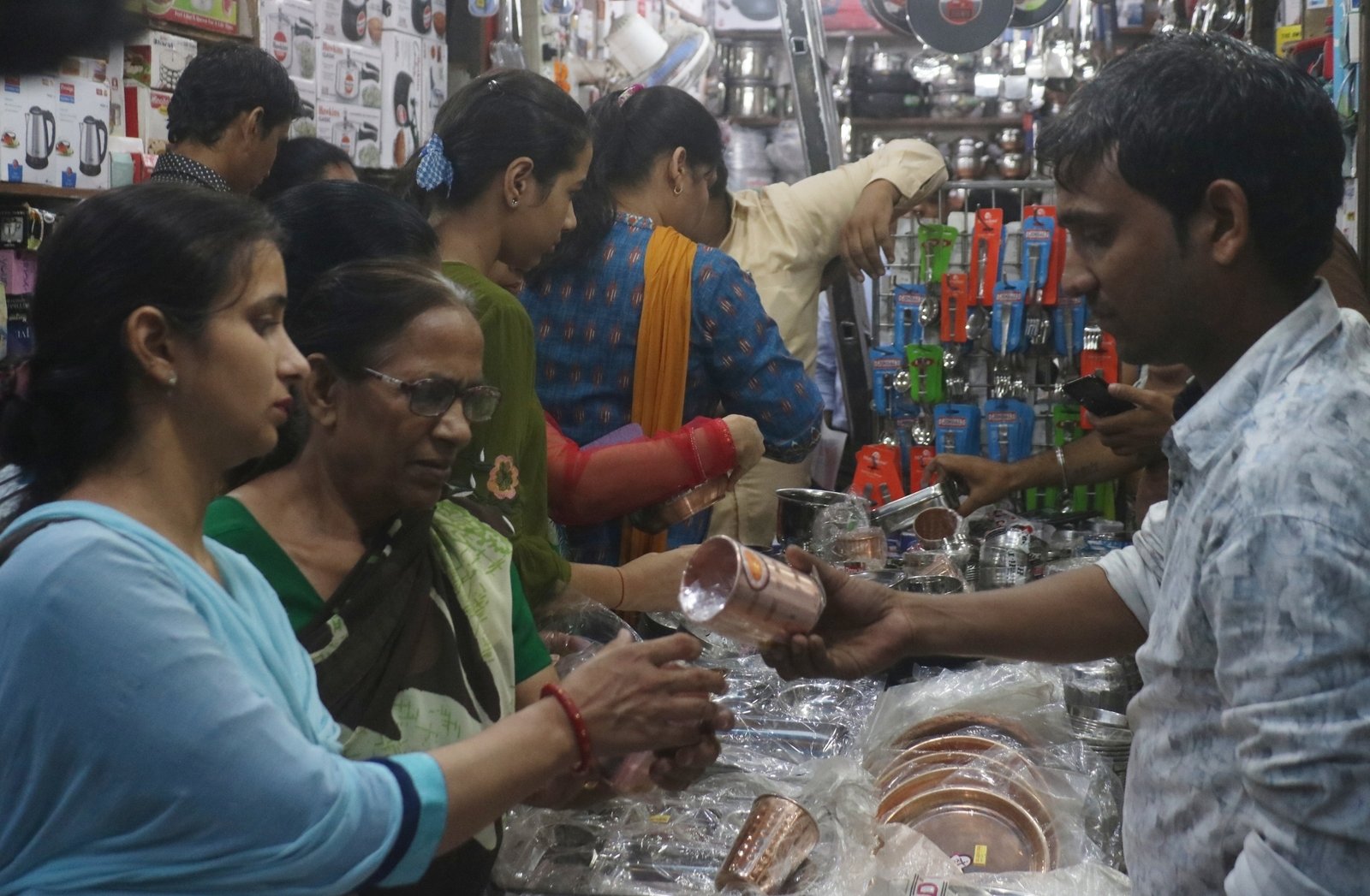
Picture this: bustling markets like Karol Bagh for cars and clothes, Sadar Bazar and Khari Baoli for wholesale goods, Chawri Bazar for paper supplies, and the vibrant streets of Chandni Chowk. These spots will feel the positive ripple effects as cheaper taxes on everyday items and services cut prices for shoppers across the capital. Families in Delhi will notice lower bills on essentials, freeing up cash for other needs.
Take the auto sector, for starters. Delhi serves as a powerhouse for trading car parts, with hubs in Karol Bagh and Kashmere Gate feeding not just local drivers but also northern India and exports to places like Bangladesh—worth about Rs 1,000 crore a month. The overall Indian auto components market hit Rs 6.14 lakh crore in FY24, and Delhi plays a starring role. Now, with GST on auto parts dropping from 28% to 18%, maintenance costs for vehicles could fall by around 7.8%. That means cheaper repairs, quicker fixes for worn-out parts, and safer, more efficient rides on Delhi’s busy roads—good news for car owners and mechanics alike.
Tourism and business travel keep Delhi buzzing as the national capital, drawing crowds for everything from luxury hotels to affordable spots in Paharganj and Karol Bagh. In 2024, the city’s hotels saw 72.9% average occupancy and daily rates around Rs 10,273. The new 5% GST on rooms under Rs 7,500 per night makes stays more wallet-friendly. A Rs 5,000 room, for instance, now adds just Rs 250 in tax—slashing the total cost by about 6.25%. Over a weekend getaway, those savings add up, likely packing more guests into hotels and driving up bookings.
Hotels and restaurants get an extra lift from cuts on key kitchen supplies, like ingredients and goods, now taxed at 5% instead of 18%. This 13-point drop trims operating costs, helping eateries pass on savings to customers. Delhi-NCR leads in hospitality jobs, with postings jumping 20.37% in 2022-23. A thriving sector here could mean more openings and better pay for the thousands working in hotels, cafes, and catering.




Don’t forget dairy, a Delhi staple. The city guzzles milk and products from big players like Mother Dairy and Amul, supporting jobs in processing plants—such as the one in Patparganj—and delivery networks. Lower GST rates on these essentials keep prices steady for families while bolstering the supply chain that employs so many locals.
Other everyday buys benefit too, like affordable footwear, finished leather goods, eco-friendly furniture, beauty and wellness services, and printing-paper packaging. These fuel Delhi’s MSME scene and fill shopping carts citywide. GST on budget footwear and leather drops, easing prices and cash flow for small traders. Bamboo, cane, and rattan furniture now faces just 5% tax, making stylish, sustainable pieces more accessible for homes and boosting demand for artisans in areas like Kirti Nagar and Panchkuian Road. Small workshops and showrooms here employ thousands, and this change promises steadier business.
Overall, these GST tweaks spark wider growth for Delhi’s MSMEs and traders, cutting input costs and sparking demand. As households spend less on basics, the city’s economy gets a fresh jolt, creating jobs and keeping things humming in this vibrant capital.
Stay informed on all the latest news, real-time breaking news updates, and follow all the important headlines in world News on Latest NewsX. Follow us on social media Facebook, Twitter(X), Gettr and subscribe our Youtube Channel.