
India’s seafarer workforce has exploded from 125,000 a decade ago to more than 300,000 today, putting the country in the top three worldwide for trained maritime talent, Union Minister of Ports, Shipping and Waterways Sarbananda Sonowal announced Friday.
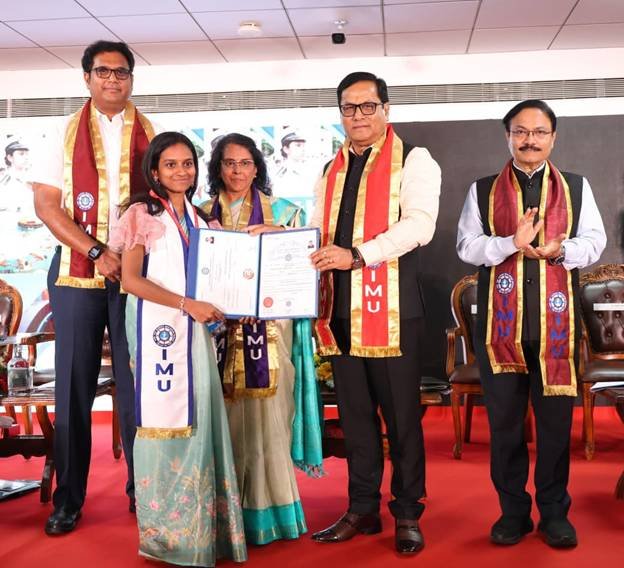
Speaking at the 10th convocation of the Indian Maritime University in Chennai, Sonowal highlighted how this growth opens doors for young people in navigation, ship operations, logistics, and other maritime fields—both at home and abroad. He praised the sector’s transformation under Prime Minister Narendra Modi’s leadership, creating exciting job opportunities for the next generation.
This week, the Union Cabinet, led by Modi, greenlit a massive Rs 69,725 crore package to boost India’s shipbuilding and maritime ecosystem. Experts predict it will unlock 4.5 million gross tonnes of shipbuilding capacity, create around 3 million jobs, and draw in about Rs 4.5 lakh crore in investments.
Sonowal congratulated the 2,196 graduating students, telling them: “You’re stepping into a revitalized sector that’s key to India’s economic, strategic, and global goals.” He added that careers in shipping, ports, shipbuilding, logistics, research, and green maritime technologies are more diverse and sought-after than ever, as India aims to lead the world in this space thanks to Modi’s vision.
Since 2014, Indian ports have seen huge upgrades in modernization and mechanization. Turnaround times now average just 0.9 days—faster than in powerhouses like the US, Australia, Belgium, Canada, Germany, and Singapore. Nine Indian ports even crack the global top 100 list.



Looking ahead, the massive Vadhavan port project, backed by Rs 76,000 crore in funding, will rank among the world’s largest container hubs. Cargo on inland waterways has surged seven times over, while coastal shipping volumes have jumped more than 150% in the past decade.
The government’s Maritime Amrit Kaal Vision 2047 lays out a bold plan for India’s maritime comeback, channeling Rs 80 lakh crore into port infrastructure, coastal shipping, inland waterways, shipbuilding, and eco-friendly initiatives. To push sustainability, officials have set up green corridors, hydrogen bunkering at key ports, and support for methanol-powered vessels.
Sonowal wrapped up by noting these steps could spark 2.5 to 3 million direct and indirect jobs in shipbuilding, ports, shipping, logistics, and related industries, fueling India’s rise as a maritime powerhouse.
Stay informed on all the latest news, real-time breaking news updates, and follow all the important headlines in world News on Latest NewsX. Follow us on social media Facebook, Twitter(X), Gettr and subscribe our Youtube Channel.