
The latest flare‑up on the Pakistan‑Afghanistan frontier has put South and Central Asia back on the radar of world leaders and security experts.
Since the early 1970s, Pakistan has been a key power behind Afghanistan’s wars and politics. During the Soviet‑Afghan conflict, the country supplied logistics and political backing to Afghan resistance fighters, and that partnership evolved into a broader effort to keep its own interests secure in the region.
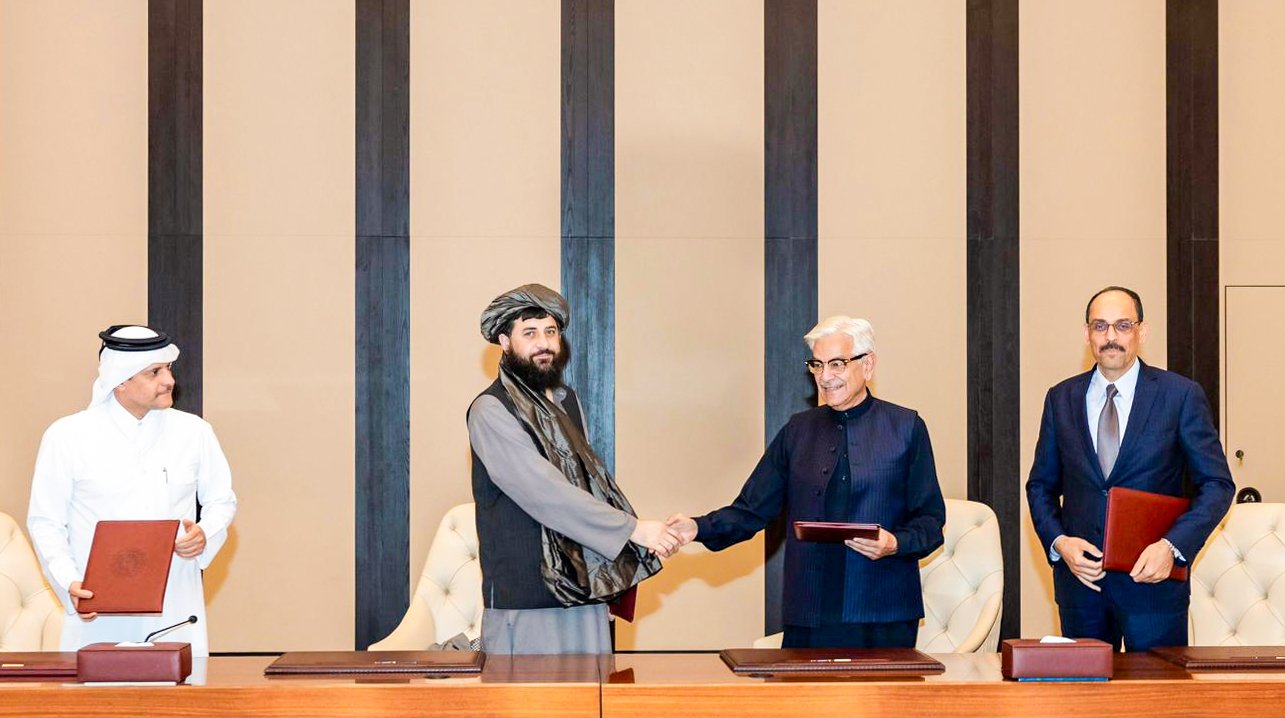
The new wave of tensions began in 2025, when cross‑border skirmishes and stalled peace talks between Islamabad and Kabul reignited concerns about a wider regional crisis. A popular Uzbek news site called Zamin pointed out that these incidents show more than a simple rivalry. They reveal deeper issues inside Pakistan, where civilian leaders often have to bend to the ideologies and priorities of the military and its intelligence agencies, including the Inter‑Services Intelligence (ISI).
Zamin also warned that Pakistan’s reliance on proxy networks feels shaky. Such groups offered tactical flexibility to Islamabad but also fuelled Afghanistan’s cycle of instability and sometimes pushed Pakistan’s own security boundaries. These complications make it hard for Pakistan to swap security for long‑term diplomacy, especially as it talks to the United States and China about the region.
The pause in talks is affecting more than just the two neighbors. Instability along the high‑altitude border can spill over into Central Asia, a region increasingly linked to South Asia through trade corridors and energy projects. Projects like the Trans‑Afghan Railway and the CASA‑1000 power line could stall if fighting escalates, harming the economies of Uzbekistan, Tajikistan and Turkmenistan. Those countries are watching closely, because any breakthrough or collapse has a direct impact on their own border stability and their ability to attract foreign investment.
In the end, the new flare‑up is a reminder that Pakistan’s domestic politics, its military’s hard‑line stance, and the unresolved Afghan conflict are all tightly woven together. The country’s ability to juggle these forces will shape not only the security of its own borders but also the future of trade, energy, and peace across South and Central Asia.
Source: ianslive
Stay informed on all the latest news, real-time breaking news updates, and follow all the important headlines in world News on Latest NewsX. Follow us on social media Facebook, Twitter(X), Gettr and subscribe our Youtube Channel.