Exclusive | At least 46 people rushed to hospital from NYC’s 2 overdose prevention centers, who says it doesn’t know what happened to them

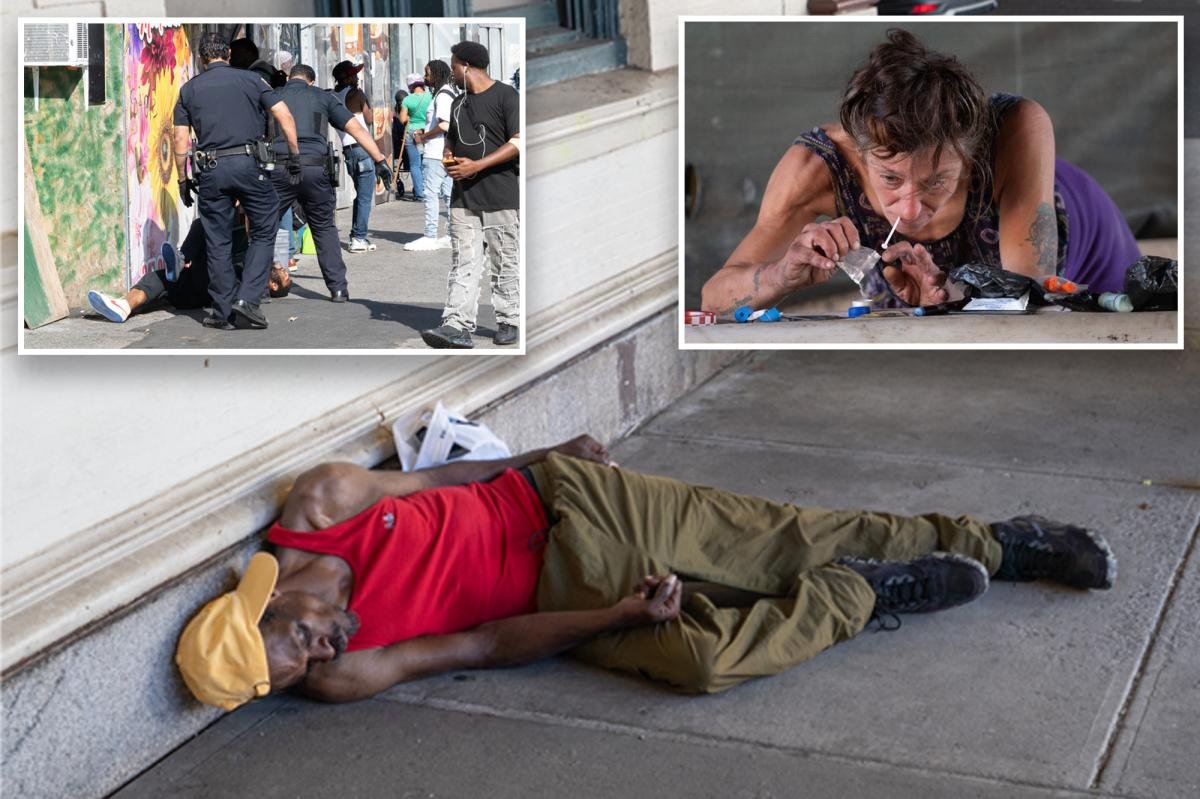
NYC’s two city‑funded harm‑reduction centers claim to curb fatal overdoses, yet records show that at least 46 users were taken by ambulance to the nearest hospital after suffering cardiac arrest, severe strokes or seizures.
The nonprofit OnPoint, which runs the two so‑called safe injection sites in Harlem and Washington Heights, apparently does not track the fate of those transported – nor whether any of them died, according to The Post – a lapse that critics label negligent.
The City Health Department, responsible for overseeing the sites, declined to confirm whether it monitors the outcomes for the 46 patients brought to the hospital.
According to OnPoint’s recently published annual report, overdose incidents at the centers rose 7%—from 636 in the first year to 683 the following year.
The report also found that 3,156 users visited the centers a combined 61,184 times during 2023, the latest data available. That’s a 26% jump from the first year when patrons rode through the doors 48,533 times.
The number of repeat visitors also climbed, with 177 clients coming in to do drugs more than once a day in 2023—up 108% from 77 in 2022. “We increased the overall number of visits and frequency of visits to the Overdose Prevention Centers. These are significant successes,” OnPoint boasted in its annual report.


Crack was the drug of choice among OnPoint users, with it being smoked as many as 56,175 times over the two‑year span. Heroin injections topped the list at 48,714, followed by cocaine snorted 30,721 times and speedballs—combining heroin and cocaine—being injected 19,651 times.
Speedball usage at the Washington Heights location more than doubled between year one and two, rising from 19 % to 44 %. In Harlem the increase was modest, moving from 5 % to 7 %.
Critics have long condemned the centers for keeping addicts hooked rather than helping them recover. “It’s like, they’ve continued to do something that doesn’t work at greater scale. That’s nice, but there’s no measure of outcomes, which doesn’t surprise me, because the outcomes will not look good,” said Charles Lehman, a public‑policy scholar at the Manhattan Institute.
Emergency medical services were called at least 46 times to take clients to hospitals. The report notes that 14 % of patients “received services related to buprenorphine,” a treatment for opioid addiction that includes education, screening, and counseling. Nevertheless, the data does not detail how many actually accepted treatment. “That could just mean they were given a brochure,” slammed Lehman. “They’re not demonstrating they’re getting people into recovery – which is the best case scenario of services like this. I don’t think they seem particularly interested.”
Neighbors have complained that drug use and dealing have spilled onto surrounding streets, with users engaging in daytime public sex.
In 2024, OnPoint received more than $15.9 million in taxpayer funds, forming the bulk of its $17.4 million revenue, according to its tax return. The amount of public money it’s received has climbed over the years, from $6.5 million in 2022, the first full year the sites operated.
“They’re not demonstrating they’re getting people into recovery – which is the best case scenario of services like this. I don’t think they seem particularly interested,” repeated Lehman.
In August, Manhattan’s top federal prosecutor suggested the possibility of shutting down the city’s two safe injection centers, which are illegal under federal law, following President Trump’s executive order that targeted them.
Mayor‑elect Zohran Mamdani, who had earlier championed expanding safer‑consumption services, reversed course during the October debate, deciding to keep the two existing sites but halt further expansion. That marked a significant shift from earlier campaign promises, leaving open the possibility that the number of facilities could grow as the city’s harm‑reduction agenda evolves.
OnPoint defended its silence about patients taken to hospital, citing privacy laws. “When EMTs were called, it was after a participant was already stabilized and for precautionary health reasons unrelated to an overdose,” insisted Sam Rivera, Executive Director of OnPoint.
Stay informed on all the latest news, real-time breaking news updates, and follow all the important headlines in world News on Latest NewsX. Follow us on social media Facebook, Twitter(X), Gettr and subscribe our Youtube Channel.