CEA’s 100 GW thermal push will aid adoption of 500 GW renewables by 2030: Vedanta

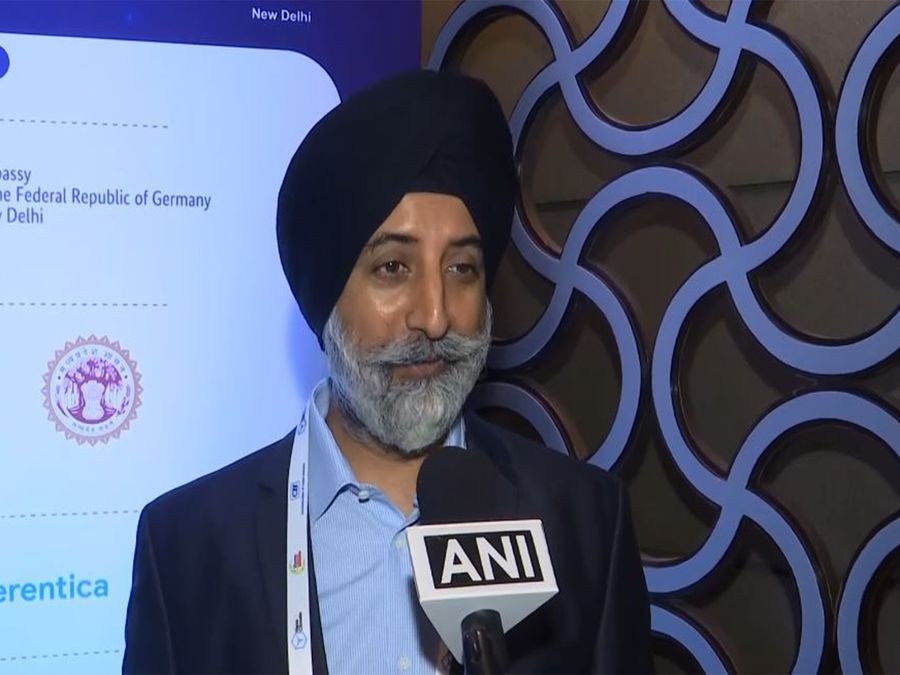
(source : ANI) ( Photo Credit : ani)
India’s push to add 100 gigawatts (GW) of thermal power capacity plays a key role in keeping the grid stable while ramping up to 500 GW of renewable energy by 2030, according to Rajinder Singh Ahuja, CEO of Power at Vedanta.
Ahuja shared these insights with on the sidelines of the 6th CII International Energy Conference & Exhibition in New Delhi. He stressed that this thermal boost will help India absorb more solar and wind power without risking blackouts or instability.
“Thermal power is crucial right now for grid stability, soaking up renewables, and driving the energy transition toward net-zero goals,” Ahuja said. In India’s energy transition journey, thermal plants fill a vital gap until hydro power, nuclear power, and storage solutions like pump storage projects (PSP) or battery energy storage systems (BESS) step up fully—without threatening the grid.
The government is stepping up with smart policies to support this shift, aiming for net zero emissions by 2070. It’s backing new capacity in PSP, BESS, nuclear, and hydro plants. These can dial back during peak solar hours to let renewables shine, then kick in at night to fill gaps and steady the grid, Ahuja explained.
Thermal and gas-based power will remain important during this middle phase of the transition. Over time, though, hydro, nuclear, pump storage, and battery systems will take over those stabilizing duties in the broader energy ecosystem.


Right now, renewables make up half of India’s total 473 GW installed capacity, but they only account for 12% of actual energy use from solar and wind. Ahuja predicts that share could jump to 30-40% once the 500 GW renewable target hits.
Government efforts are building a strong mix, including solar, wind, pump storage, battery storage, and nuclear power, to make this happen. But Ahuja warns that speeding up transmission infrastructure investments is critical—delays could bottleneck the whole 500 GW renewable energy goal.
On government support for thermal plants, Ahuja noted that independent power producers (IPPs) rely on solid power purchase agreements (PPAs). Sudden policy tweaks can hurt their finances, so any new rules need capital expenditure (Capex) and operational expenditure (Opex) help to offset the costs.
He pointed to recent changes, like mandating 5% biomass in fuel mixes and making thermal plants more flexible to handle solar surges, as examples where IPPs must invest extra to comply. These moves support India’s energy transition but require backing to keep plants viable.
Stay informed on all the latest news, real-time breaking news updates, and follow all the important headlines in world News on Latest NewsX. Follow us on social media Facebook, Twitter(X), Gettr and subscribe our Youtube Channel.