
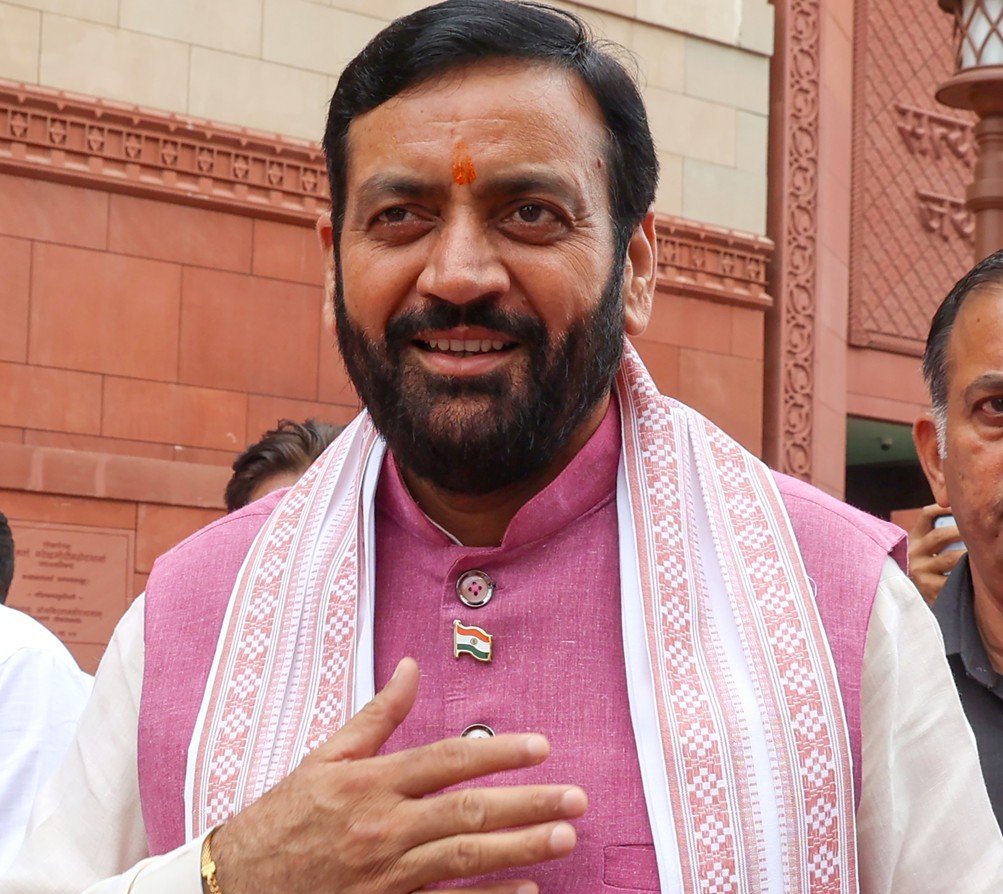
Haryana Chief Minister Nayab Singh Saini has praised the quick implementation of the recent Goods and Services Tax (GST) reforms announced by Prime Minister Narendra Modi. Just a month after the Prime Minister announced these changes from the Red Fort on Independence Day, the reforms have already been put into action, showing the government’s dedication to progress.
Speaking to the media, CM Saini described these GST improvements as proof of Prime Minister Modi’s promise to deliver on commitments. He called the reforms a major step toward making India more self-reliant and building an Atmanirbhar Bharat — a stronger, more independent nation.
The Chief Minister highlighted that the GST Council’s meeting on September 3 led to several important decisions aimed at easing life for citizens, supporting businesses, and boosting the economy. He called these steps “welcome” and said they will make everyday goods cheaper, especially during upcoming festivals. This will help middle-class families save money and increase demand in the market.
One big change is that India now has only two standard GST rates — 5% and 18%. The earlier higher rates of 12% and 28% have been removed, and a special 40% rate for certain luxury or ‘demerit’ goods remains. This simplification is expected to reduce disputes and lower tax-related legal battles, making the system clearer and more transparent.
The reforms also aim to make trade between states smoother, with fewer barriers. The introduction of an easier registration process allows small businesses and low-risk applicants to get automatic GST registration within three days. Additionally, the system will now provide quick refunds to help businesses manage cash flow better.
Agriculture and rural sectors are especially benefiting from these changes. Haryana, being a major farming state, successfully urged the GST Council to reduce taxes on agricultural equipment used for crop residue management — a move appreciated by the state’s leaders and Union Finance Minister Nirmala Sitharaman.
For everyday consumers, some exciting news includes GST exemptions and rate cuts on popular food items. Packaged milk and cheese are now completely GST-free. The GST rate on ghee, butter, and dry fruits has dropped from 12% to just 5%. Even staples like roti and paratha are now exempted from GST altogether. These measures are expected to lower inflation, promote local food businesses, and create more rural jobs.
For farmers, the reforms include lower GST on essential farming machinery. The GST on irrigation and tillage equipment has been cut from 12% to 5%, reducing costs for farmers. Bio-pesticides and key inputs like ammonia and sulphuric acid now attract only a 5% GST, encouraging eco-friendly farming practices.
In the machinery sector, GST on tractors has also been reduced: engines below 1800 cc now have a GST rate of 5%, down from 12%, while higher-capacity tractors see a decrease from 28% to 18%. These changes aim to motivate farmers to adopt modern farming equipment, making agriculture more productive and efficient.
Overall, these GST reforms are designed to benefit consumers, farmers, and businesses alike, making goods and services more affordable, supporting rural growth, and strengthening India’s economy.