Pakistan: Human rights defenders decry dismal state of disaster relief in Pak-occupied Gilgit-Baltistan


Disaster Relief Crisis Hits Pakistan-Occupied Gilgit Baltistan Hard
In Pakistan-occupied Gilgit Baltistan (PoGB), floods, landslides, and glacial lake outbursts have wrecked havoc on vulnerable communities. Human rights defenders and locals are sounding the alarm over the poor state of disaster relief efforts, saying marginalized groups are suffering the most.
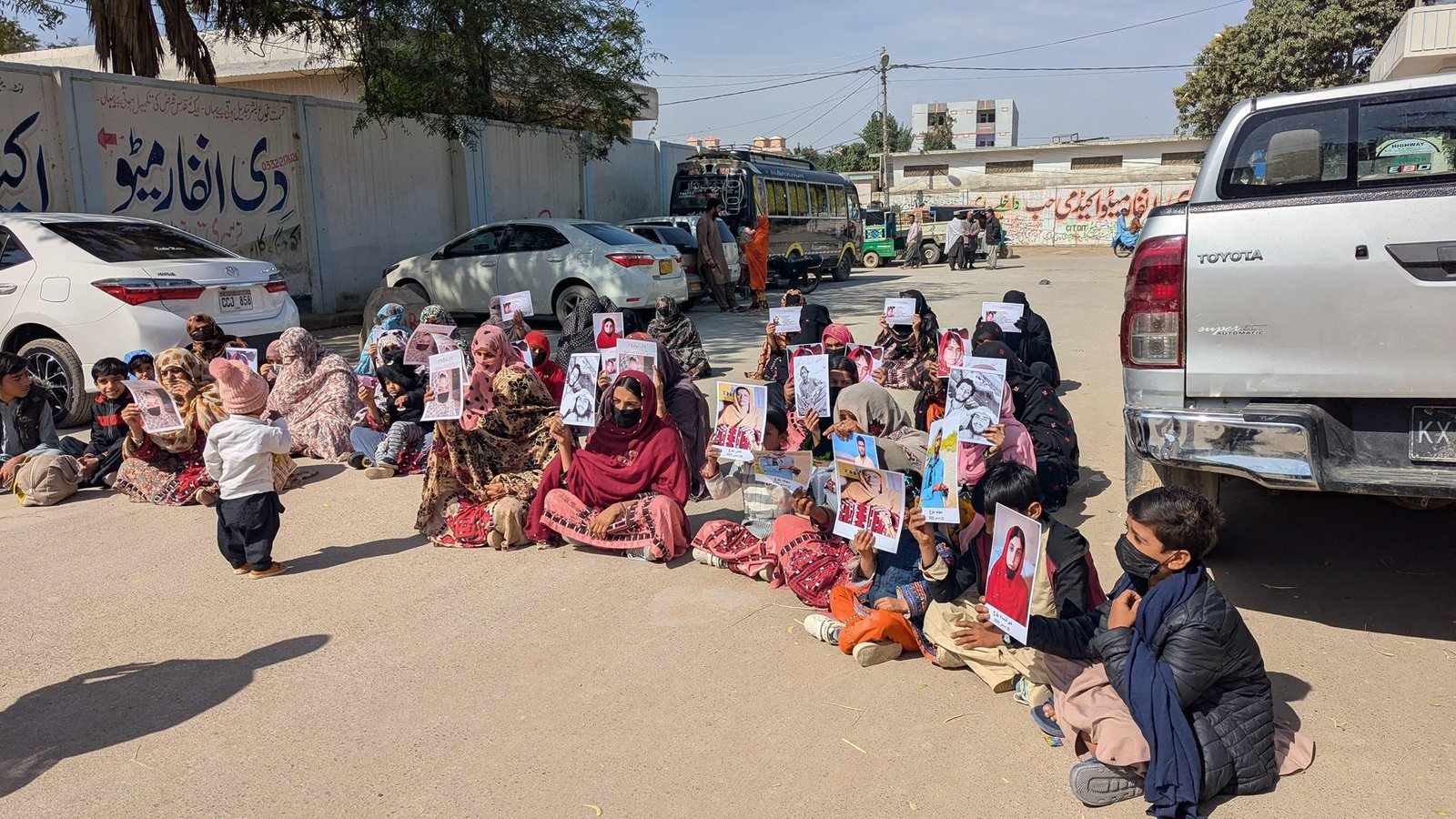
At a key outreach meeting organized by the Human Rights Commission of Pakistan (HRCP) in PoGB on Friday, participants shared heartbreaking stories. Displaced families huddle in unsafe shelters without basics like clean water, electricity, healthcare, or schooling for kids. Women, children, daily-wage workers, people with disabilities, and transgender individuals face the worst neglect, and no one seems to care about mental health support.
The group slammed relief funds for lacking transparency and accountability, leaving people wondering where the money goes. In a strong move, stakeholders passed a unanimous resolution demanding better disaster response in PoGB. They want inclusive, transparent, and dignified aid that involves everyone—from multi-sector coordination to community-led monitoring and rehab. Key calls include protecting vulnerable families with fair compensation, relocating them from risky areas, and pushing for climate justice. This means reforestation drives, stopping exploitative mining, climate insurance, and even adding disaster preparedness to school curriculums.
Just days earlier on Wednesday, HRCP highlighted the massive floods ravaging Pakistan. They argue these aren’t just "natural" disasters anymore—they’re manmade messes caused by bad planning, land grabs, deforestation, corruption, and ignoring climate change. The rights group holds the state and past Pakistani governments accountable for letting the crisis spiral.
HRCP’s statement urges quick action: ramp up rescue teams, set up more relief camps, and ensure fair access to food, shelter, clean water, and medical help. They stress prioritizing the most at-risk—women, children, the elderly, and those with disabilities.
The commission is calling out federal and provincial governments to step up. Pakistan must fulfill its constitutional duties, show real political will, and act decisively to break the cycle of yearly floods, displacement, and destruction. With climate change worsening, inclusive disaster management in PoGB and across Pakistan could save lives and build resilience for the future.
Stay informed on all the latest news, real-time breaking news updates, and follow all the important headlines in world News on Latest NewsX. Follow us on social media Facebook, Twitter(X), Gettr and subscribe our Youtube Channel.