
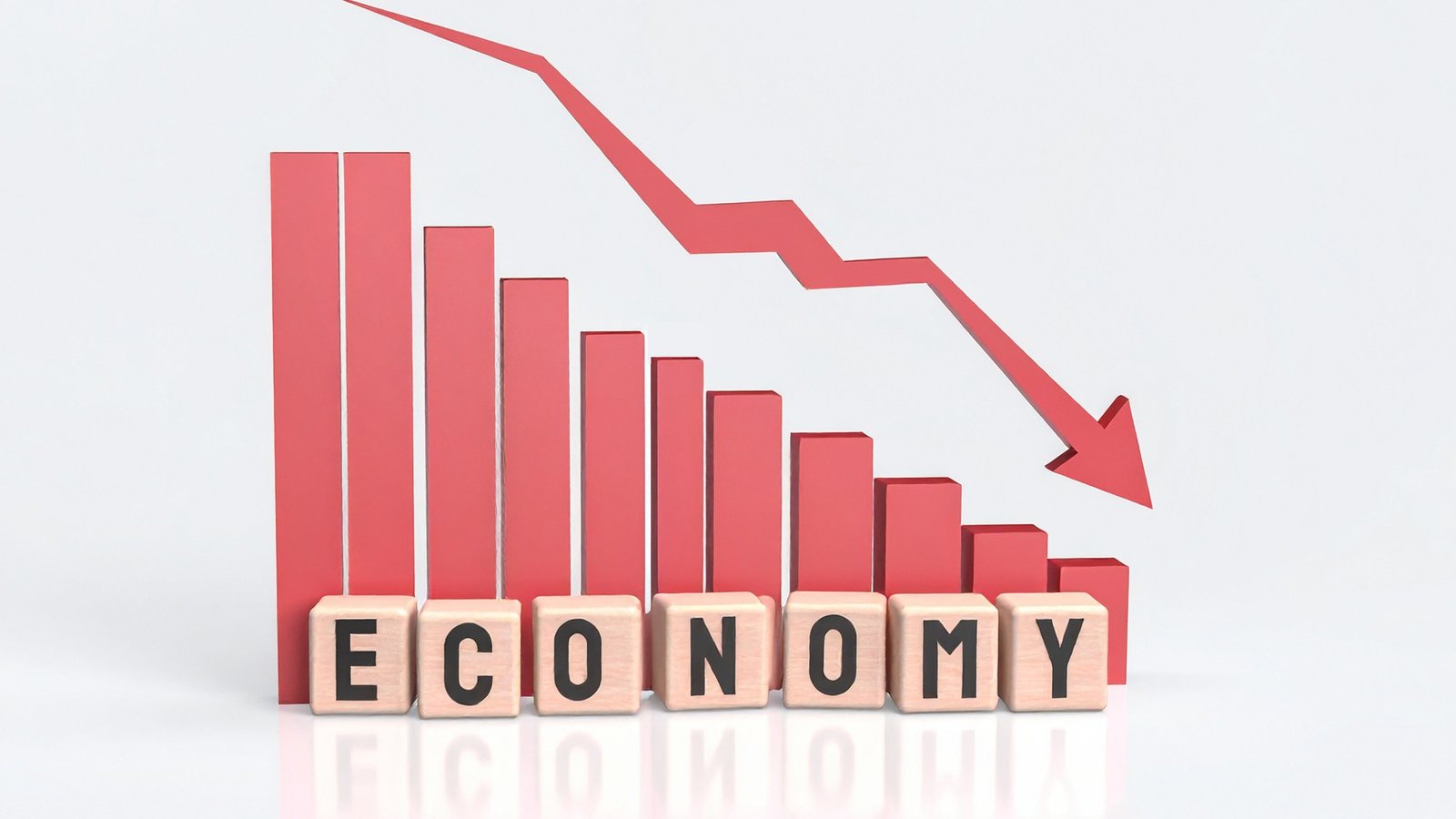
New Delhi, Feb 9 (LatestNewsX) Pakistan’s growth in 2025 remained modest, unemployment stayed high and youth unemployment rose, underscoring weak productivity and poor job creation, according to an article in East Asia Forum.
The country’s economic growth was modest at around 3 per cent in fiscal year 2024–25, barely keeping pace with population growth, while unemployment remained high at 8 per cent. Sustained growth of 6–7 per cent is necessary to absorb new labour market entrants and reduce unemployment, the article further states.
The economy is unable to absorb over 3.5 million new entrants each year into productive jobs. Unemployment among youth aged 15–29 rose to 11.5 per cent, well above the national average of 8 per cent and higher among educated youth, the article points out.
Pakistan’s Household Integrated Economic Survey 2024–25 also shows that real per capita consumption of major food items has declined, signalling household distress and the number of earners per household fell from 1.86 to 1.72 between 2018–19 and 2024–25.
Remittances were one of the paradoxes of 2025. With exports and foreign direct investment subdued, inflows reached a record $38.3 billion in fiscal year 2024–25 and became Pakistan’s most reliable source of external financing. But rising reliance on remittances has coincided with declining domestic earning capacity and shrinking food consumption at the household level.



Remittances rose from 4.96 per cent of household income in 2018–19 to 7.77 per cent in 2024–25. They increasingly function as distress insurance rather than development capital, signalling weak domestic job creation, the article observes.
These facts point to a deeper structural problem in Pakistan’s economic model. Policy has remained focused on inputs rather than outcomes. The 13th Five-Year Plan (2024–29) set ambitious goals for exports, productivity and inclusive growth, but implementation has been dysfunctional and shallow.
Exports stagnated at around $32 billion, private investment remained subdued and public investment continued to deliver weak returns, the article further stated.
Pakistan’s deeper problem is not a shortage of reform ideas but weak execution, with delays and regulatory frictions sapping productivity growth. In 2026, Pakistan must treat time and performance as core policy variables, improve investment efficiency and translate stabilisation into productivity and jobs, the article added.
sps/na
Stay informed on all the latest news, real-time breaking news updates, and follow all the important headlines in world News on Latest NewsX. Follow us on social media Facebook, Twitter(X), Gettr and subscribe our Youtube Channel.