

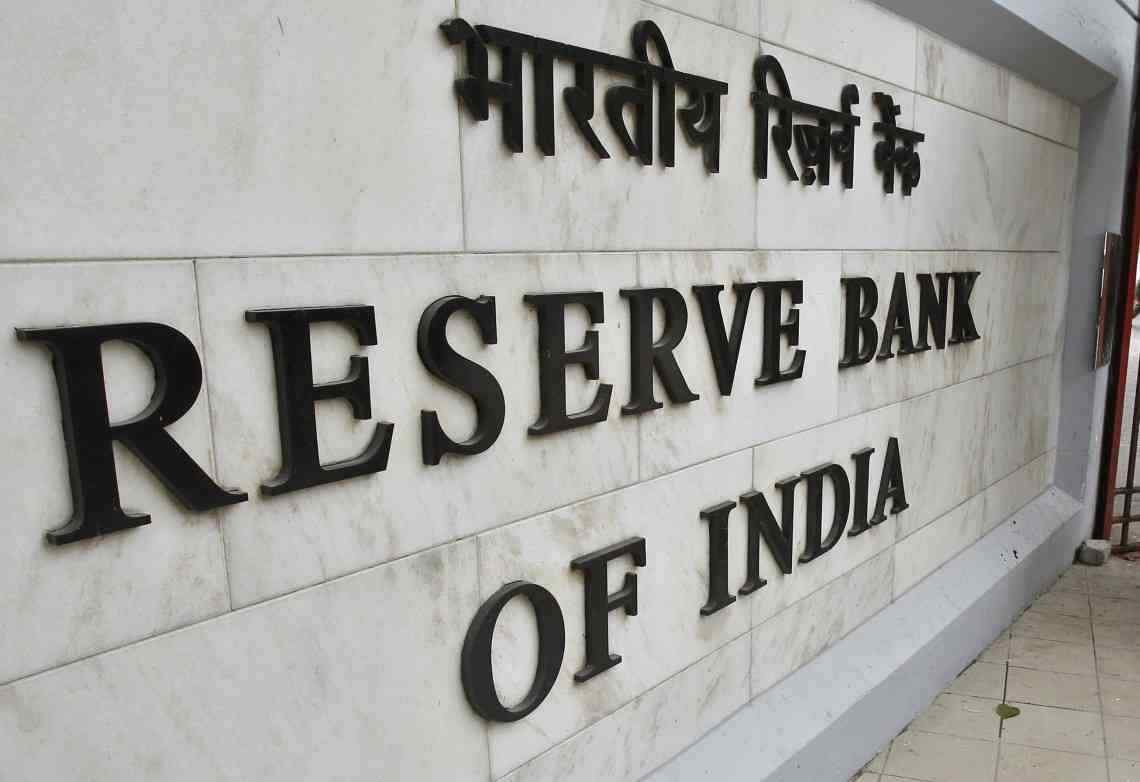
MUMBAI — India’s central bank, the Reserve Bank of India (RBI), just rolled out new steps to boost the global use of the Indian Rupee (INR) in international trade. These moves aim to make the rupee more attractive for cross-border deals, helping Indian businesses and their global partners save time and money.
RBI Governor Sanjay Malhotra highlighted the progress. “For months, the government has pushed to internationalize the rupee—meaning we want it widely accepted in global trade, finance, and investments,” he said. “We’re making steady gains here.”
One key change lets banks authorized to deal in foreign exchange—known as Authorized Dealer banks—lend money in INR to people and businesses in neighboring countries like Bhutan, Nepal, and Sri Lanka. This includes banks in those nations, all to smooth out cross-border trade transactions. The RBI will soon notify the official updates to its regulations.
To push settlements in INR and local currencies, the RBI is easing rules under the Foreign Exchange Management Act. A big part of this? Making INR liquidity easier for folks in other countries to access, which could supercharge international trade involving India.
On the forex front, the RBI is expanding reference rates published by Financial Benchmarks India Limited (FBIL). Right now, FBIL puts out rates for major currencies like the US Dollar (USD), Euro (EUR), British Pound (GBP), and Japanese Yen (JPY) against the INR. These rates help settle forex trades, including derivatives.




The new plan adds reference rates for currencies from India’s top trading partners. This should deepen India’s onshore forex market, get banks quoting prices directly in more currency pairs, and cut down on messy multiple conversions. In short, it’ll make trade faster and cheaper. FBIL will work with market players to launch these rates, per the RBI.
Finally, the RBI is giving holders of Special Rupee Vostro Accounts (SRVA) more investment options. Back in July 2022, the RBI introduced SRVAs to promote India’s exports and spark global interest in using INR for invoicing, payments, and settlements in trade.
Previously, surplus rupees in these accounts could go into government securities like treasury bills. Now, holders can also invest in corporate bonds and commercial papers. This broadens opportunities for foreign banks and traders to park their INR funds in India. Expect the updated rules soon.
These steps build on India’s efforts to integrate deeper into the world economy through trade and capital flows, positioning the rupee as a stronger player on the global stage.
Stay informed on all the latest news, real-time breaking news updates, and follow all the important headlines in world News on Latest NewsX. Follow us on social media Facebook, Twitter(X), Gettr and subscribe our Youtube Channel.