

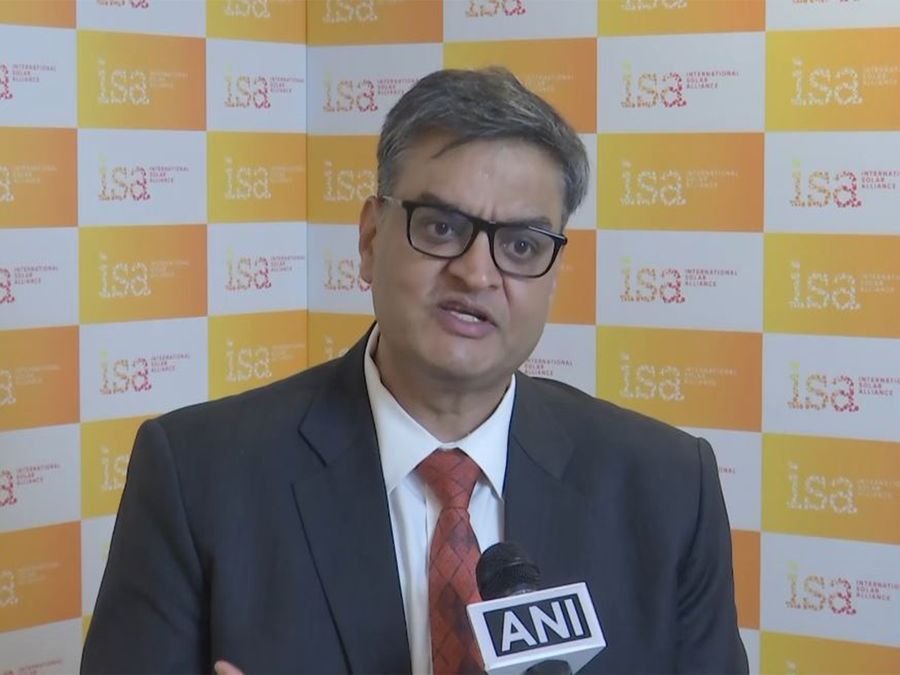
In New Delhi, solar power is outpacing fossil fuels, says Ashish Khanna, the director‑general of the International Solar Alliance (ISA). Khanna told that the shift toward solar is driven purely by economics – solar prices have dropped so fast that they are now cheaper than coal or gas in almost every country.
“Solar plus storage and better transmission are a realistic mix worldwide,” Khanna explained. He noted that the world saw a 1,000‑gigawatt milestone in solar only after 25 years, but hit 2,000 gigawatts in just two years – a leap powered mainly by the Global South, especially India and China.
The ISA is stepping up its role, creating financing tools for Africa that can turn a small investment into many projects, and a joint‑procurement platform for Small Island Developing States to attract private capital.
India’s solar story is a standout. A decade ago, rooftop panels were a rarity. Today, the country leads the world, surpassing Japan to become the third‑largest solar producer. According to the International Renewable Energy Agency (IRENA), India generated 108,494 GWh of solar power last year, beating Japan’s 96,459 GWh.
By July 2025, India’s total solar capacity reached 119.02 GW. Ground‑mounted plants account for 90.99 GW, rooftop systems add 19.88 GW, hybrid projects provide 3.06 GW, and off‑grid solutions contribute 5.09 GW, showing a diverse approach to clean energy.
India’s government credits its steady progress to clear policies and national leadership. Following its pledge at COP26, the country is working to hit a target of 500 GW of non‑fossil‑fuel electricity by 2030 – a key step toward the nation’s climate goals and a clean‑energy future. ()
Source: aninews
Stay informed on all the latest news, real-time breaking news updates, and follow all the important headlines in world News on Latest NewsX. Follow us on social media Facebook, Twitter(X), Gettr and subscribe our Youtube Channel.