
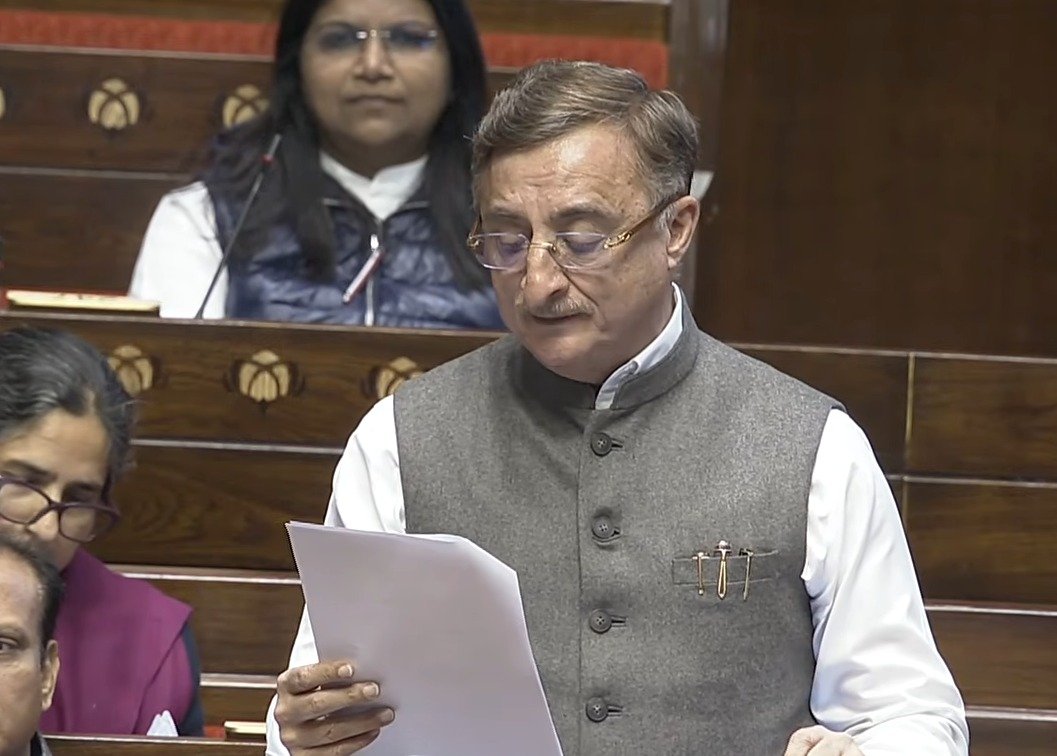
In the Rajya Sabha’s Zero Hour on Thursday, Congress MP Vivek Tankha from Madhya Pradesh raised alarms about what he described as the “freefall of the Indian rupee.” He warned that the fast‑moving slide of the currency was pushing more and more everyday people into economic strain.
The MP called the problem “extremely topical and urgent,” stressing that the rupee’s rapid decline is squeezing households, businesses and key sectors alike.
According to him, the rupee has slipped past ₹90 to the U.S. dollar—trading between 90.14 and 90.19—an all‑time low for India. Over the last five years, the currency has lost roughly 20‑27 percent of its value, eroding almost a quarter of people’s purchasing power. In 2025 alone, the rupee has fallen 5 percent, the fastest drop since 2022, and it ranks among Asia’s worst performers this year.
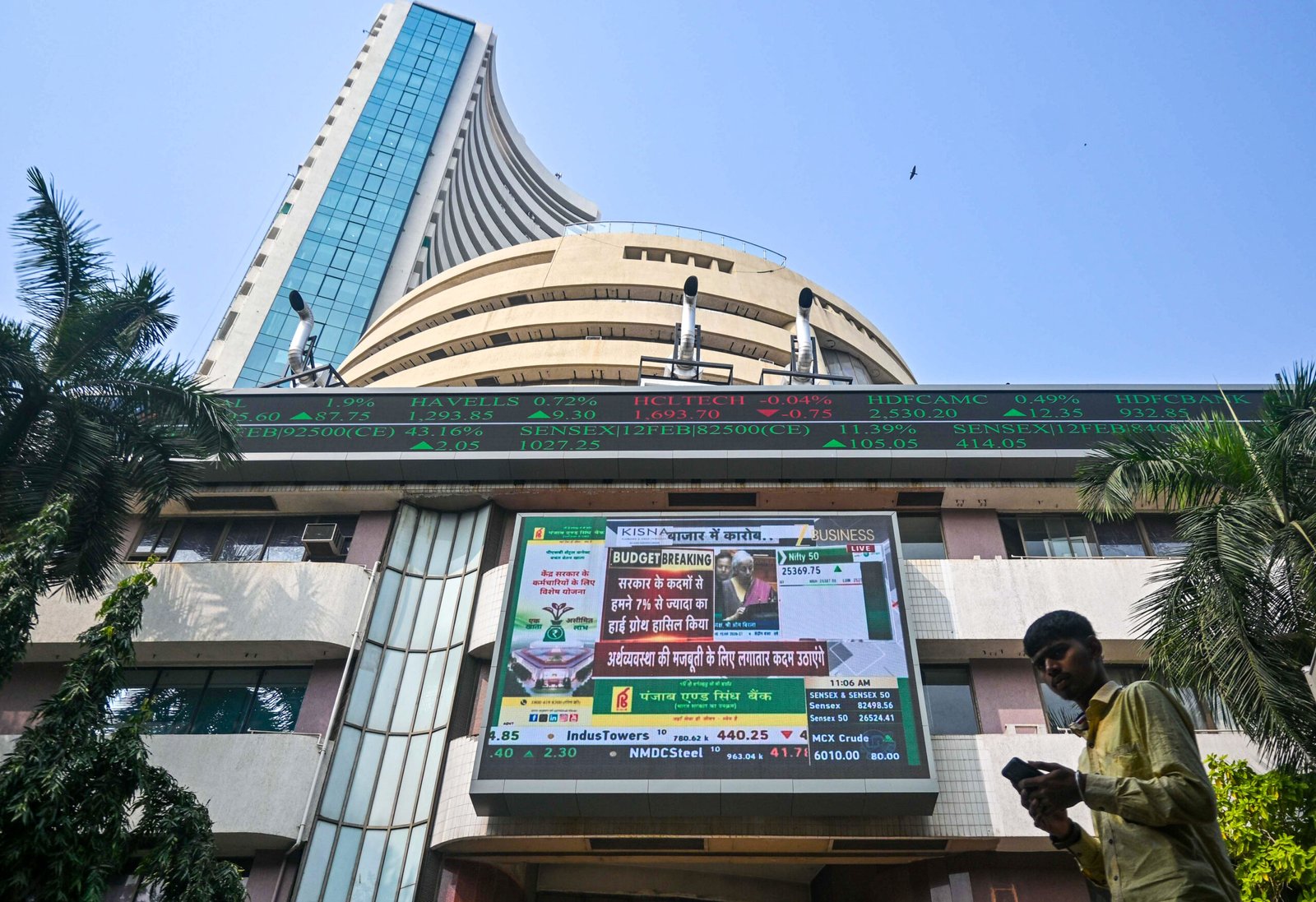
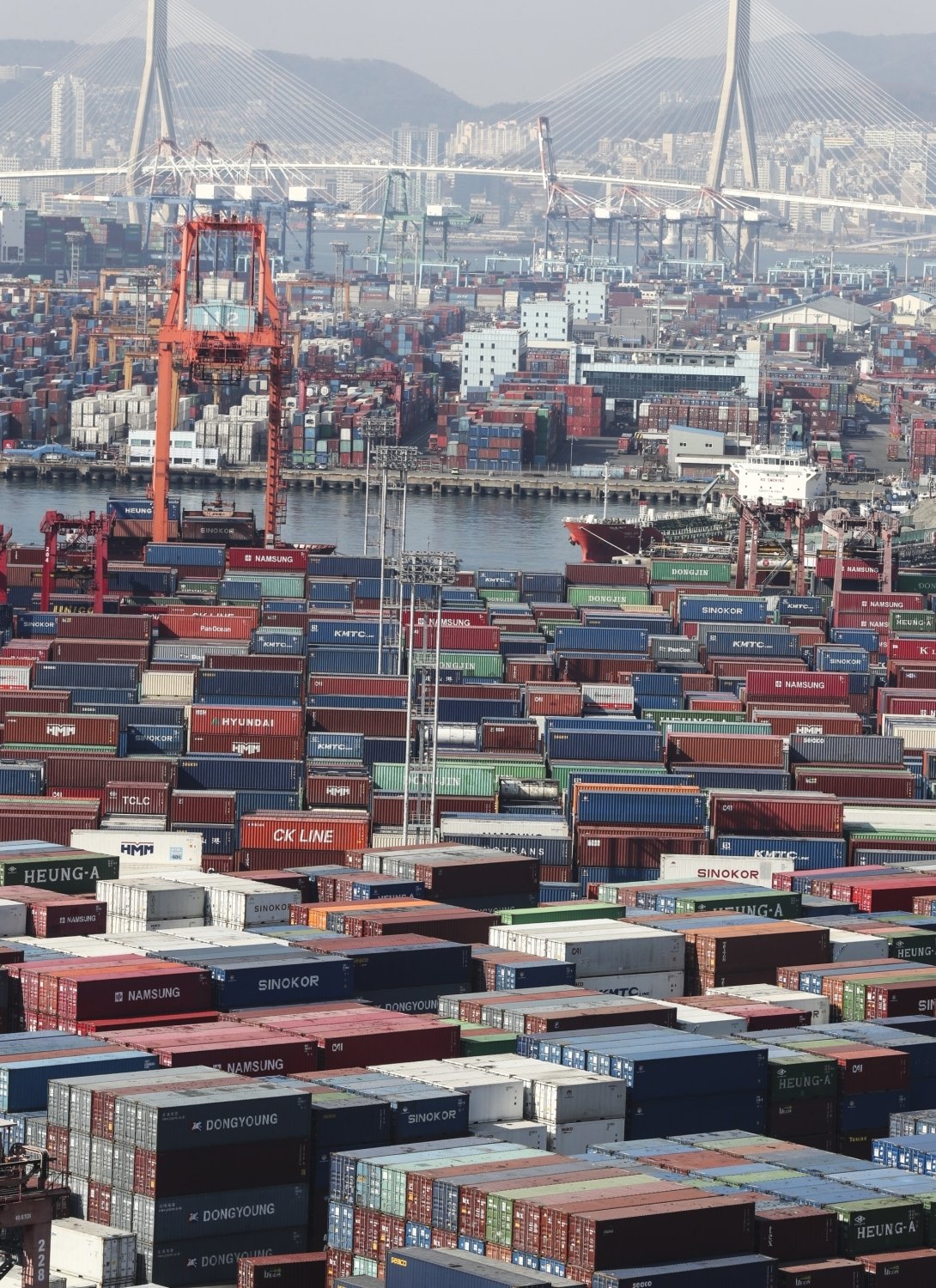
Tankha also pointed out that India’s monthly trade balance has swung into a deficit of more than USD 40 billion, showing how imports far outpace exports. Meanwhile, foreign investors have withdrawn over USD 17 billion from Indian markets this year – the biggest outflow in several years – drying up capital flows and denting investor confidence.
“He warned that FDI flows are stagnant, external borrowings have slowed, and the world is becoming increasingly wary of India’s external stability,” Tankha said.



Explaining the spill‑over effects on ordinary people, he opened with the quoted line: “Every household ends up paying more. Food prices rise, transport costs increase, and a chain reaction follows that hits the poor the hardest,” he said.
Tankha explained that each time the rupee weakens, imports become more costly, and because India imports fuel, LPG, electronics and medicines, a 5 percent depreciation can push inflation up 30‑35 basis points.
Moreover, the middle class feels the pinch as the cost of smartphones, laptops, medical kits, school supplies, clothing and appliances climbs due to the country’s reliance on imported parts.
“That common person, a falling rupee feels like a salary cut without the employer informing you. Your money buys less every day,” he remarked.
Tankha highlighted the strain on Micro, Small and Medium Enterprises, many of which depend on imported raw materials. He explained that these businesses are seeing input costs jump 20‑30 percent, squeezing thin profit margins.
“Small manufacturers are caught in a double blow: higher costs and weaker demand,” he said.
Companies with foreign‑currency debt face repayment costs that have risen by 15‑20 percent because of the rupee’s devaluation, worsening their balance sheets and posing risks to financial stability.
Tankha warned that a falling currency can deter overseas investors, creating a vicious cycle: “As the rupee falls, investors pull out, and markets shift,” he cautioned.
Finally, he urged the government to acknowledge the gravity of the situation and act swiftly to stabilise the rupee and protect the most vulnerable parts of the economy.
Stay informed on all the latest news, real-time breaking news updates, and follow all the important headlines in world News on Latest NewsX. Follow us on social media Facebook, Twitter(X), Gettr and subscribe our Youtube Channel.