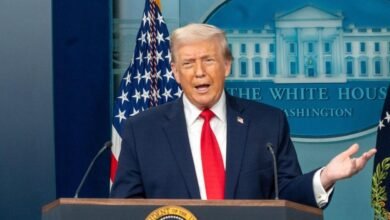
Justice Alito rips ‘unwise’ Supreme Court colleagues for blocking Trump’s National Guard deployment

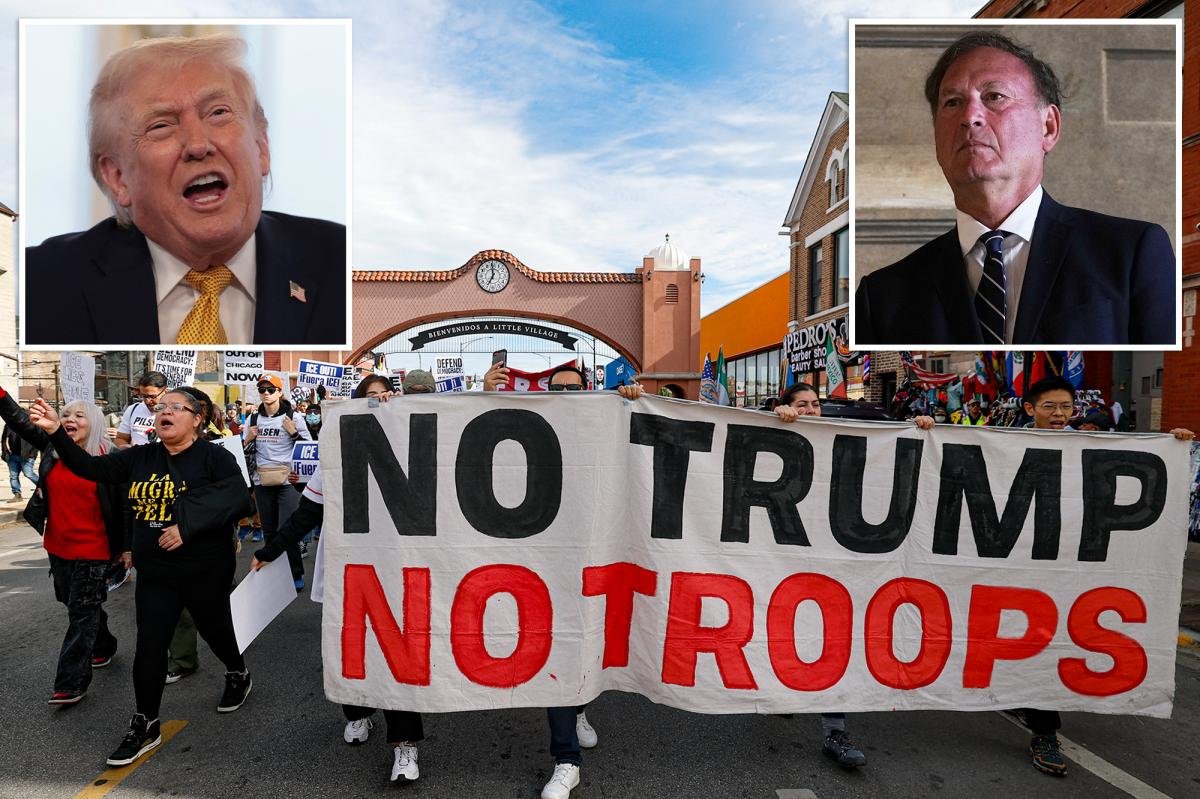
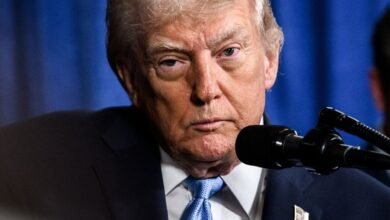
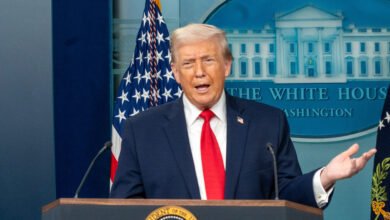
In a 6‑to‑3 ruling, the Supreme Court temporarily barred President Donald Trump from federalizing the National Guard in Chicago, a move the Justice Department had pursued amid escalating protests against Immigration and Customs Enforcement (ICE).
Justice Samuel Alito, joined by Justice Clarence Thomas, released a sharp dissent. He accused the majority of making “unwise” and “imprudent” determinations. Alito argued that the decision unduly limited the president’s ability to protect federal officers “from potentially lethal attacks,” regardless of one’s view of the administration’s immigration enforcement.
The lawsuit began when Trump invoked a rarely used federal statute that allows him to deploy up to 300 National Guard troops to protect federal personnel and facilities. The administration claimed that demonstrators were obstructing, assaulting, and threatening ICE officers, and that local law‑enforcement and state officials failed to address the threat. Illinois sued, and lower courts blocked the deployment, holding that Trump had not met the statute’s requirement that he could only use the Guard when “unable with the regular forces to execute the laws of the United States.”
The Supreme Court’s majority, in an unsigned order, clarified that “regular forces” refers to the U.S. military—not ICE or civilian police—and that Trump had not presented evidence that the military could be employed for the task in Chicago. Accordingly, the Court denied the possibility of exhausting that option before turning to the Guard.
Alito, an appointee of George W. Bush, rejected the majority’s focus on the Posse Comitatus Act. He emphasized that the Constitution grants the president authority to use the military for domestic emergencies such as war, insurrection, or other serious crises. He found it “puzzling” that the majority invoked the Act, which normally bars the military from acting as a domestic police force unless Congress specifically authorizes it.



The dissent also warned that requiring the president to exhaust “other military forces” before deploying the Guard could lead to “outlandish results.” Alito cautioned that the court’s interpretation would confine Guardsmen to arresting and processing aliens subject to deportation while stripping them of purely protective powers—a scenario that, he argued, could unduly infringe on state sovereignty.
Illinois maintained that the protests were largely peaceful and that local law enforcement had control. The state’s attorneys contended that allowing the Guard’s deployment would compromise Illinois’ sovereign right to manage its own policing priorities, an interest they said would be irreparably harmed if the courts did not uphold the order.
Stay informed on all the latest news, real-time breaking news updates, and follow all the important headlines in world News on Latest NewsX. Follow us on social media Facebook, Twitter(X), Gettr and subscribe our Youtube Channel.