J&K L-G joins cleanliness drive in Srinagar’s Dal Lake as part of ‘Sewa Parv’


In Srinagar, the iconic Dal Lake has seen a major revival, with more than one-third of its waters rejuvenated over the past five years. Jammu and Kashmir Lieutenant Governor Manoj Sinha announced that the lake’s area now stretches to 20.3 square kilometers, thanks to dedicated conservation efforts.
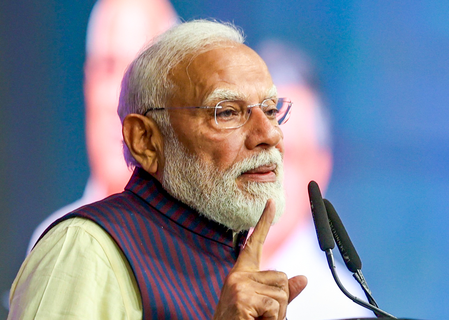
Sinha joined a community cleanliness drive at Dal Lake on Sunday as part of the Sewa Parv initiative. Volunteers cleared out weeds and unwanted aquatic grasses, helping restore the lake’s natural beauty. In a post on X (formerly Twitter), Sinha shared, “Dal Lake is cleaner than ever and drawing crowds of domestic and international tourists.” He highlighted how teams cleared vast areas of water lilies, creating a larger open expanse for the first time. Sinha urged residents to get involved in protecting lakes, rivers, and other water bodies through community action.
Dal Lake serves as the natural lungs of Srinagar, a bustling city of over 1.26 million people. It stands as the top tourist draw in the Kashmir Valley, supporting aquatic life, fishing operations, and the livelihoods of thousands who harvest water plants. As the second-largest lake in Jammu and Kashmir, it earns nicknames like “Lake of Flowers,” “Jewel in the Crown of Kashmir,” or simply “Srinagar’s Jewel.” The 15.5-kilometer shoreline features a scenic boulevard dotted with Mughal gardens, parks, luxurious houseboats, and hotels.
Visitors love the stunning views from spots like Shalimar Bagh and Nishat Bagh, both built during Mughal Emperor Jahangir’s era. You can also glide across the water in colorful shikara boats for an up-close experience. In winter, temperatures sometimes plunge to minus 11 degrees Celsius, turning parts of the lake into a frozen wonderland.
The lake originally spans 18 square kilometers within a larger 21.1-square-kilometer wetland that includes floating gardens called “Raad” in Kashmiri. These gardens burst into lotus blooms from July to August. Causeways divide the wetland into four basins: Gagribal, Lokut Dal, Bod Dal, and Nigeen—though many treat Nigeen as its own lake. Lokut Dal boasts the island Rupa Lank (also known as Char Chinari), while Bod Dal has Sona Lank at its heart.

Today, Dal Lake and its surrounding Mughal gardens face restoration to tackle eutrophication, a pollution issue that’s clouded its waters. The Indian government is pouring in about 11 billion rupees to bring back its original glory, ensuring this Srinagar tourism gem thrives for generations.
Stay informed on all the latest news, real-time breaking news updates, and follow all the important headlines in world News on Latest NewsX. Follow us on social media Facebook, Twitter(X), Gettr and subscribe our Youtube Channel.