
In Bangladesh, the dengue outbreak is tightening its grip, with new cases and deaths climbing fast. In a 24‑hour span ending Thursday morning, five people across the country lost their lives to the mosquito‑borne fever. The total death toll for 2025 now stands at 307, according to local media.
The Directorate General of Health Services (DGHS) said three of those deaths occurred in Dhaka South City Corporation (DSCC), one in Dhaka North City Corporation (DNCC), and one in the Mymensingh Division. A further 1,034 people were taken to hospitals with viral fever, bumping the year‑to‑date case count to 76,026, United News of Bangladesh reported.
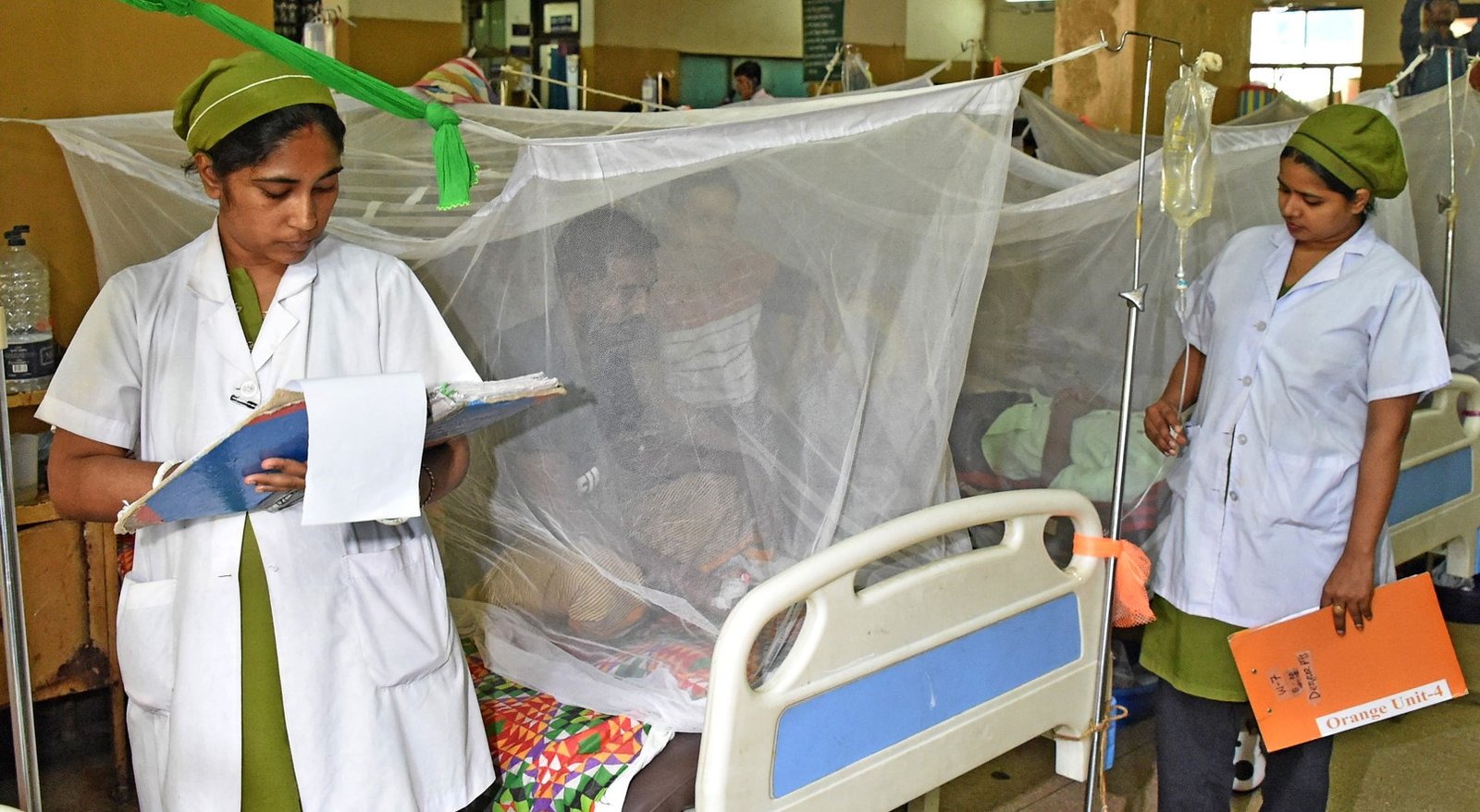
Hospitals in Dhaka are treating 1,155 patients, while another 3,331 patients are being cared for across the country. Among registered cases this year, 62.3% are men and 37.7% are women. The split is similar for deaths, with 52.8% male and 47.2% female.
Comparing to last year, in 2024 dengue claimed 575 lives, and the DGHS logged 101,214 cases with 100,040 recoveries. DGHS Director General Abu Jafor told reporters on October 9 that although infections have risen, the fatality rate has dropped. “Dengue infections are higher than last year, but the death rate relative to the number of cases is lower,” he said at a press briefing on the Typhoid Vaccination Campaign‑2025.
Jafor urged everyone to tackle mosquito breeding and kill larvae. “People must use mosquito nets and protect themselves. These are mainly individual responsibilities. If we ignore them, eliminating dengue becomes very difficult,” he stressed. He added that over half of hospital deaths happen on the very first day of admission, indicating patients often seek help too late. The DGHS is working to improve hospital care and encourage early diagnosis.




Early detection can keep patients from developing severe dengue. If spotted early, the illness can be managed at home with proper care. Jafor blamed a lack of awareness, negligence and delayed medical attention for the increasing death rate.
Dengue, caused by the dengue virus (DENV), is spread by bites of infected mosquitoes, mainly in tropical and subtropical urban areas. The World Health Organization notes that vector control—preventing mosquito breeding—is the primary way to curb the disease. While there’s no specific cure, early treatment and good medical support lower fatality rates.
Bangladesh’s officials continue to warn residents to stay alert, use nets, eliminate stagnant water and seek prompt care if they develop fever, rash or body aches—especially in Dhaka and surrounding areas where the spike in infections is sharp.
Source: ianslive
Stay informed on all the latest news, real-time breaking news updates, and follow all the important headlines in world News on Latest NewsX. Follow us on social media Facebook, Twitter(X), Gettr and subscribe our Youtube Channel.