
Researchers in Spain have uncovered how the malaria parasite, Plasmodium falciparum, attacks the brain, paving the way for new treatments that could prevent or even reverse the damage from cerebral malaria. This breakthrough offers hope in fighting a disease that kills one in five affected children and leaves half of survivors with lifelong disabilities.
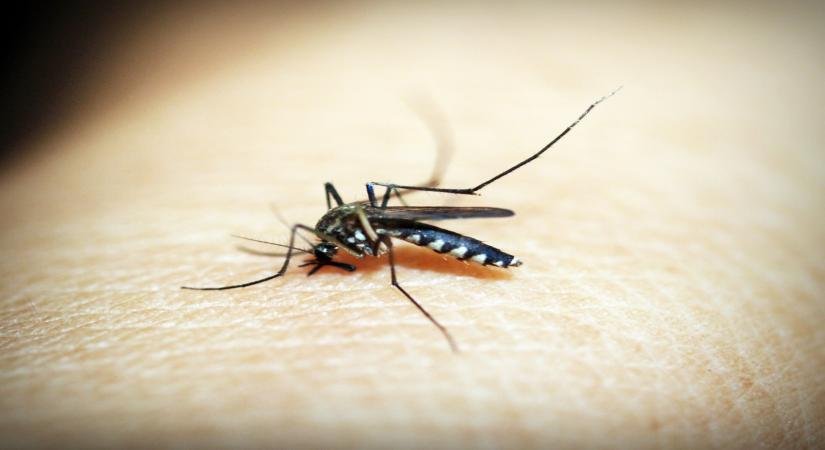
Malaria spreads through the Plasmodium falciparum parasite, which multiplies inside red blood cells before bursting out to infect more. When it reaches the blood-brain barrier (BBB)—a protective shield around the brain—it can break through, leading to deadly swelling and complications.
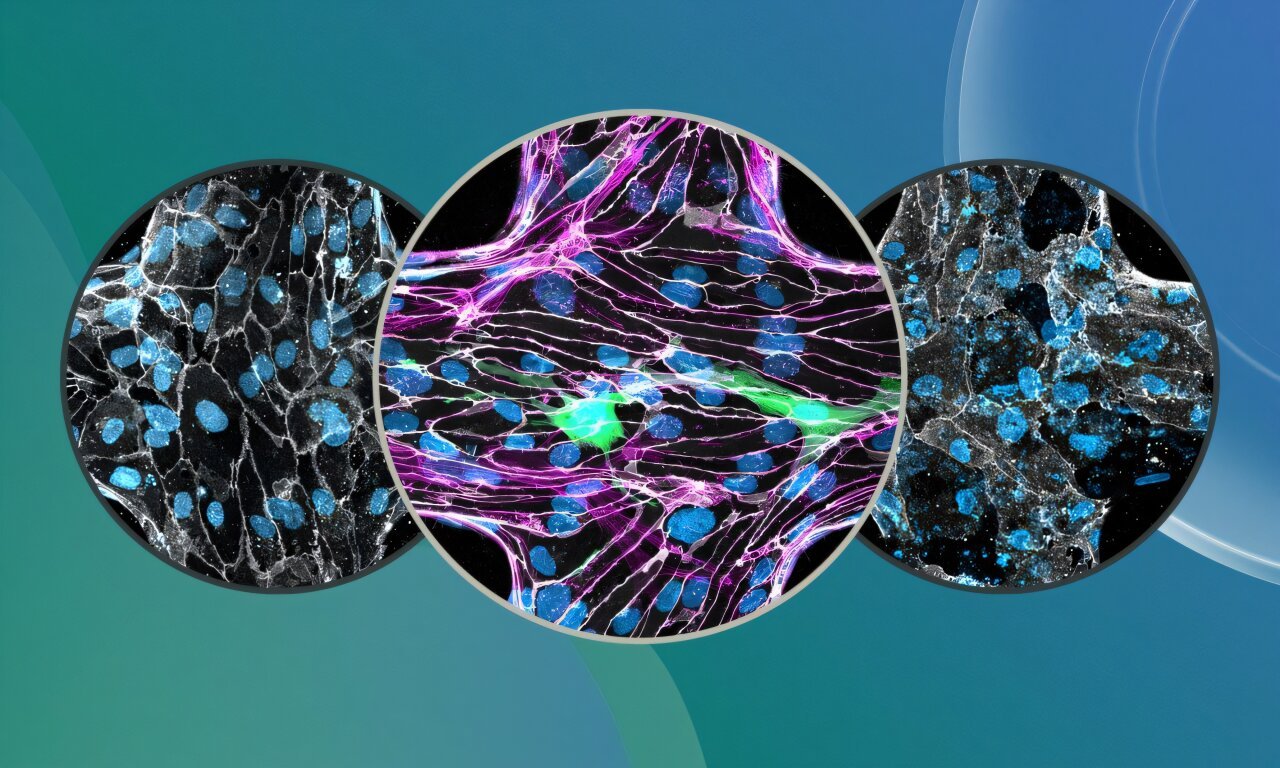
To study this, scientists at the European Molecular Biology Laboratory (EMBL) in Barcelona built a mini BBB in the lab. They created a 3D model mimicking real brain structures, complete with endothelial cells lining blood vessels, supportive pericytes, and star-shaped astrocytes, all in a fluid-flow setup like a tiny organ-on-a-chip.
They exposed this 3D-BBB model to the parasite during its most aggressive phase: when it explodes out of red blood cells, known as egress. The results, detailed in the journal Nature Communications, showed the barrier becoming leaky, allowing infected fluid to seep into the brain.
Livia Piatti, a postdoctoral researcher at EMBL, explained it simply: “Picture the BBB as tightly sealed pipes that block leaks. The malaria parasite cracks those pipes, letting infected fluid drip into the brain, causing swelling and making the disease hard to reverse.”



Digging deeper with single-cell gene analysis, the team found that key cells produced fewer proteins to keep the BBB tight and more inflammation-causing molecules. This explains why cerebral malaria turns so severe.
The good news? They tested an existing drug called Ruxolitinib on the model and saw promising results. The drug, already approved for other uses, calmed inflammation in brain blood vessels and reduced BBB leakiness. This suggests it could save lives in severe malaria cases, especially for children.
This research on Plasmodium falciparum and the blood-brain barrier brings us closer to better malaria treatments. As experts continue to explore therapeutics like Ruxolitinib, it could transform outcomes for millions affected by malaria worldwide.
Stay informed on all the latest news, real-time breaking news updates, and follow all the important headlines in world News on Latest NewsX. Follow us on social media Facebook, Twitter(X), Gettr and subscribe our Youtube Channel.