

Pakistan’s First Economic Census Reveals Shocking Truth: More Mosques Than Schools Amid Widespread Poverty
In a major revelation from Pakistan’s first-ever Economic Census since independence in 1947, the country stares at a harsh reality. With over 250 million people—most living below the poverty line—the nation boasts more mosques than schools, and factories or hospitals remain painfully scarce. This landmark survey, released recently, highlights deep-rooted problems in education, healthcare, and the economy that could shape Pakistan’s future.
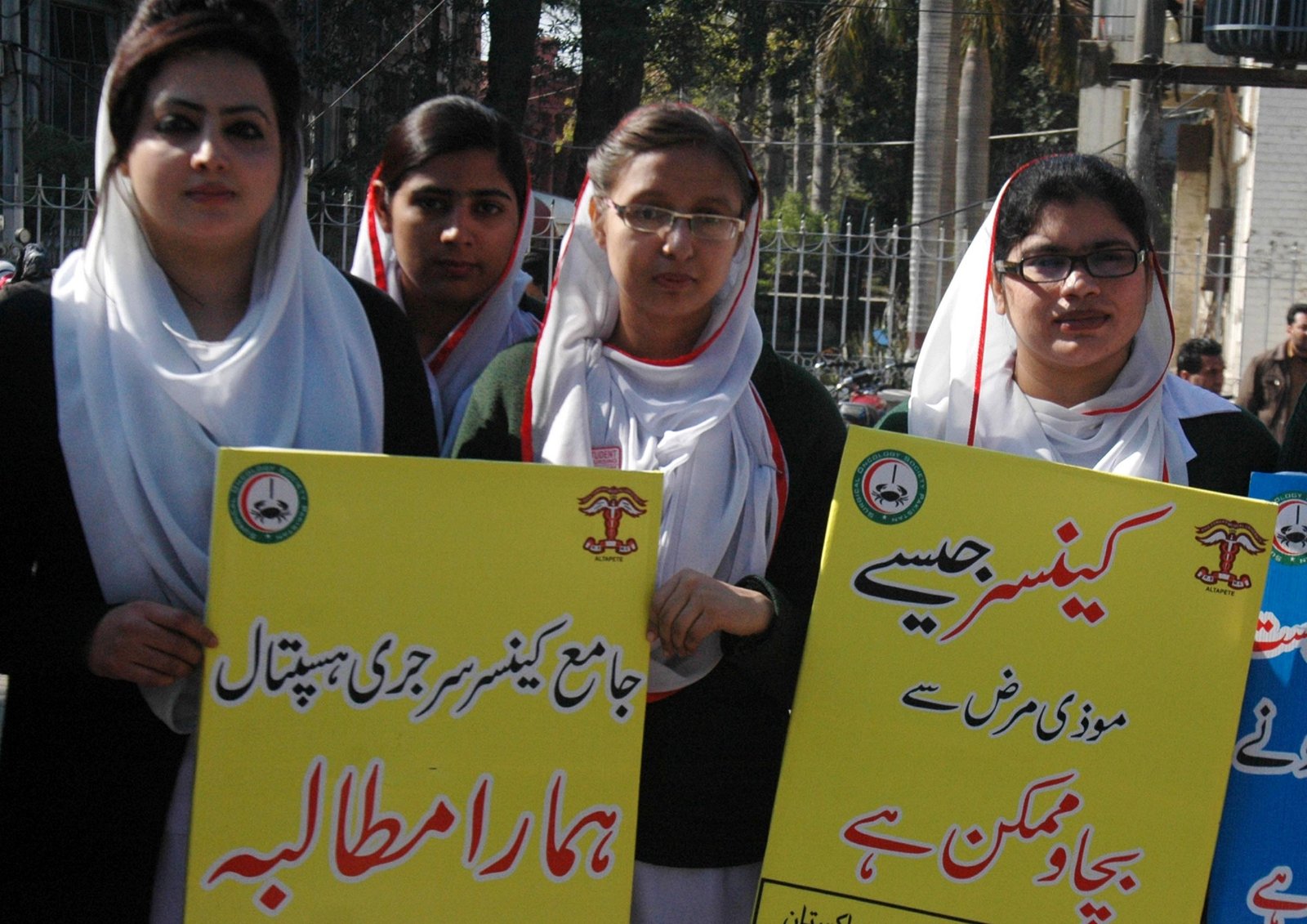
Imagine this: Pakistan has over 600,000 mosques and 36,000 religious seminaries, but only 269,000 schools and a mere 119,000 hospitals. That’s right—mosques outnumber schools by more than two to one. This stark imbalance points to serious barriers in education access, putting immense pressure on healthcare and stunting economic growth. For a population this large, these numbers scream for urgent reforms in Pakistan’s education system and public health infrastructure.
The gaps get even wider at higher education levels. Pakistan counts just 11,568 colleges and 214 universities nationwide. Such limited options mean the country struggles with poor human capital development, making it tough for young people to build skills for a modern economy. No wonder Pakistan’s workforce often lacks the training needed to compete globally.
Healthcare paints an equally grim picture. With only one hospital for every 2,083 people, the system buckles under the weight of malnutrition and widespread diseases. In a nation where poverty affects millions, this shortage of medical facilities leaves many without basic care, underscoring the urgent need for better hospital infrastructure in Pakistan.
On the economic front, the census uncovers a hardworking but underserved population. Around 10.9 million individuals hustle in informal sectors like livestock rearing, tailoring, food packaging, and even online services. Break it down: 5.6 million people rear livestock, 419,000 stitch clothing, and 93,000 provide online gigs. These figures show resilience amid limited formal jobs, but they also highlight how Pakistan’s economy relies heavily on small-scale, unregulated work.


Diving deeper into businesses, the census reports 7.143 million establishments that employ 25.344 million people. Yet, shockingly, only 250,000 are formally registered with the Securities and Exchange Commission of Pakistan (SECP). This exposes the informal, underdeveloped nature of Pakistan’s business landscape. Micro and small enterprises rule the roost—95% of them hire fewer than 10 workers. The services sector dominates with nearly 58% of the workforce, while manufacturing and production sectors lag way behind, limiting industrial growth.
Regional differences add another layer of concern. Provinces like Punjab and Sindh lead in economic establishments and social infrastructure, leaving Khyber Pakhtunkhwa and Balochistan far behind. This uneven development in Pakistan widens the gap between regions, making balanced national progress a real challenge.
Planning Minister Ahsan Iqbal unveiled these findings, noting that this is Pakistan’s inaugural economic census. He pointed out that neighboring countries have run multiple such surveys over the years, suggesting Pakistan’s delay stems from governance issues. Critics link this to the military’s strong influence, which often prioritizes defense spending over economic and social development.
As Pakistan grapples with poverty, education shortages, and healthcare woes, this census serves as a wake-up call. Will it spark real changes in Pakistan’s economy and infrastructure? Only time will tell, but the data demands action now to build a brighter future for its 250 million citizens.