State Palliative Care Policy can help enhance healthcare, cut costs for patients in Delhi: Experts


Why Delhi Needs a Palliative Care Policy: Experts Push for Better Support and Lower Costs
Health experts in Delhi are calling for a dedicated state palliative care policy to boost healthcare access and cut down on patient expenses. Palliative care focuses on easing the physical, emotional, and spiritual pain for people with serious, long-term illnesses, along with support for their families.
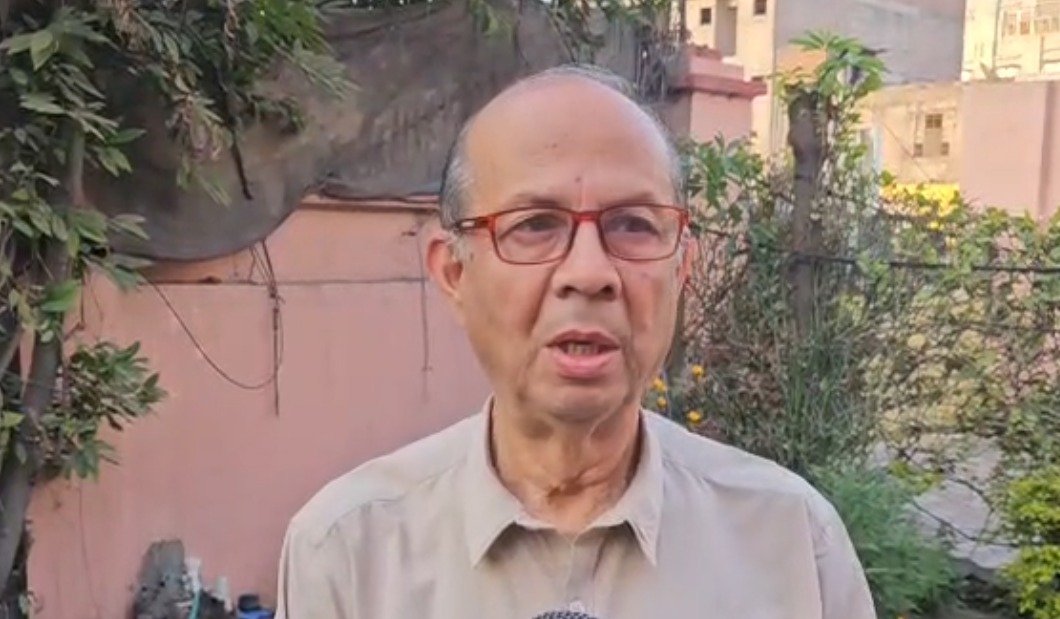
Parth Sharma from the Department of Community Medicine at Maulana Azad Medical College shared his views with . "A palliative care policy for Delhi would organize resources better, connect scattered health services, and secure steady funding," he said. He urged Delhi’s policymakers to act fast. "This could make Delhi the first spot in North India with its own palliative care policy. It would create a blueprint for urban care that other cities worldwide could follow."
A fresh study led by Sharma and his team from the college spotlights the urgent need for home-based palliative care in Delhi’s busy urban areas. The research also uncovers the heavy financial and emotional toll on families dealing with chronic illnesses.
The team checked over 43,000 people in Delhi’s urban resettlement colonies to gauge the demand for home-based palliative care and its family impact. Their findings? About 2 in every 1,000 people need this kind of support. Most were older men (60%), with over half illiterate and more than half out of work before their illness. Stroke and other neurological issues topped the list, causing disability in 67.8% of cases.
Nearly half the patients showed severe dependency, while 62% of families reported a poorer quality of life. Shockingly, 34% had to take on debt just to cover medical bills. On the support side, 74% had ration cards, half got pensions, but only 15% had public health insurance.

The study, published in the journal Palliative Care and Social Practice, revealed that families spent an average of 58.56% of their per-person income on out-of-pocket healthcare costs—that’s 11.11% of total family earnings. These numbers highlight the real strain of chronic illness in Delhi.
But the challenges go beyond money. The research found that 42% of families cut back on nutritious food, another 42% skipped festivals and family gatherings, 31% saw caregivers lose work hours, and 14% faced disruptions in children’s education. In one heartbreaking case, a family member even attempted suicide.
Experts estimate 60,000 to 80,000 people in Delhi alone need home-based palliative care right now. Sharma stressed the need for teamwork: "Public health centers, medical colleges, civil society groups, and the government must join hands. Right now, only NGOs are stepping up—government involvement could fill the big gaps."
KV Hamza, General Secretary of DNipCare (Delhiites’ National Initiative in Palliative Care) and a former Ministry of Finance official, agrees. "Palliative care is a basic human right. Only a clear government policy can deliver fair access to everyone," he told . He pointed out that while NGOs and private players do great work, reaching the urban poor in far-flung corners of the city requires official guidelines.
Sharma suggested practical steps, like growing the National Programme for Palliative Care to include more home visits, involving medical colleges in community outreach, and expanding government insurance to cover outpatient medicines. These moves could transform palliative care in Delhi, making it more affordable and reachable for all.
Stay informed on all the latest news, real-time breaking news updates, and follow all the important headlines in world News on Latest NewsX. Follow us on social media Facebook, Twitter(X), Gettr and subscribe our Youtube Channel.