Chernobyl protective shield can no longer contain nuclear material after drone strike: UN Watchdog


The UN’s nuclear watchdog announced on Friday that the protective enclosure at the Chernobyl plant can no longer hold the radioactive materials left from the 1986 disaster, after a drone attack severely damaged it.
The International Atomic Energy Agency (IAEA) said the New Safe Confinement (NSC) suffered “severe damage” when a drone hit it on February 14.
Ukraine blamed Russia for the strike, a claim Russia has denied.
According to the IAEA, the NSC lost its core safety functions, including its ability to confine radiation.
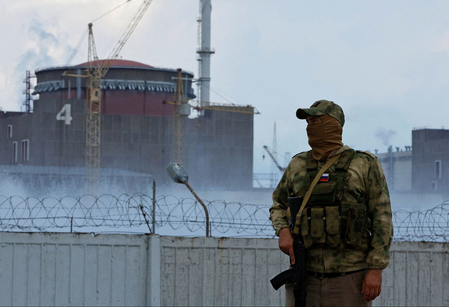

The massive structure—an arch shaped like a bridge—cost about $2.3 billion and was erected in 2019. It was designed to trap radioactive waste and shield the site from wind, rain and snow over the ruined Reactor 4.
Weighing 36,000 tons, the NSC stands 345 feet tall, stretches 540 feet in length and spans 840 feet across. The Project Management Institute named it among the 50 most influential projects of the last half‑century. Funded by the Chernobyl Shelter Fund, it was built to endure a century.
The drone attack also triggered a significant fire that damaged the steel frame’s outer coating, which was meant to safeguard the reactor’s remnants.
During an inspection, the IAEA found that the structure’s load‑bearing components and monitoring systems remained intact. While the exact risk to the environment or to Kyiv—about 80 miles away—remains uncertain, the damage did not appear to pose an immediate threat.
It is hard to forget that the Chernobyl plant was the site of the world’s worst nuclear accident. On April 26, 1986, a reactor began to overheat due to a flawed design and poorly trained staff, sparking a steam explosion and fires that released at least 5 percent of its core into the area.
Two workers died on the day of the explosion, and 28 more succumbed in the following weeks, while more than 350,000 people were forced to leave their homes.
“Limited temporary repairs have been carried out on the roof, but timely and comprehensive restoration is essential to prevent further deterioration and to ensure long‑term nuclear safety,” Director General Rafael Mariano Grossi said.
The IAEA proposed several upgrades to the enclosure and confirmed that the European Bank for Reconstruction and Development would finance the renovations needed to restore its containment function.
“The IAEA – which maintains a permanent team on site – will do everything in its power to support the full restoration of nuclear safety and security at the Chornobyl site,” Director General Grossi added to the statement.
Russia occupied the plant at the beginning of its invasion of Ukraine in February 2022, but returned it to Ukrainian authorities a month later.
Ben Cost contributed to this report.
Stay informed on all the latest news, real-time breaking news updates, and follow all the important headlines in world News on Latest NewsX. Follow us on social media Facebook, Twitter(X), Gettr and subscribe our Youtube Channel.