

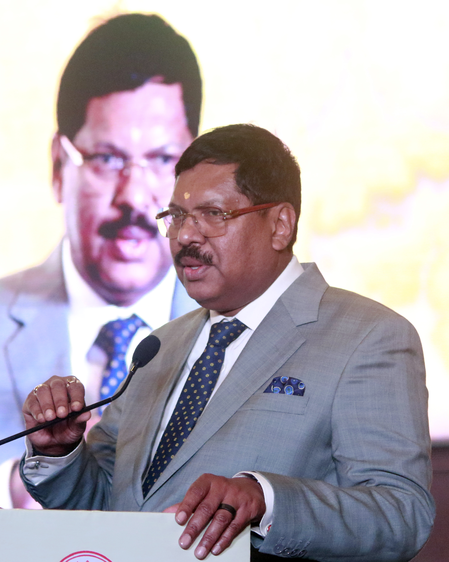
Chief Justice of India B.R. Gavai emphasized the important role of the judiciary at the Nepal-India Judicial Dialogue 2025 held in Kathmandu on Friday. He explained that courts serve a dual purpose: they protect the core values of society and also drive reforms to strengthen the moral and ethical foundations of the nation.
Addressing the theme of “Evolving Role of Judiciary,” CJI Gavai highlighted how Indian courts are moving beyond just following strict laws. Instead, they now focus on the deeper purpose and impact of legal decisions, making justice more meaningful and relevant today.
He said, “In both India and Nepal, the judiciary acts as a bridge between what people aspire for and the principles in the Constitution.”
CJI Gavai also talked about important constitutional principles, especially the basic structure doctrine, which shapes the core of India’s constitution. He recalled the landmark 2015 Supreme Court verdict that struck down the National Judicial Appointments Commission (NJAC) Act. He explained that this doctrine has become a solid part of Indian constitutional law and is now respected worldwide, with courts in other countries citing Indian judgments on this issue.
The Chief Justice also highlighted the Indian Supreme Court’s role in recognizing new rights. He mentioned recent rulings that protect privacy, reproductive rights, and rights for people with disabilities. For example, in 2018, the court recognized the right to die with dignity through passive euthanasia, emphasizing personal autonomy and individual choice.
He pointed out the Supreme Court’s efforts toward gender justice. One example is the 2022 ruling on the Judge Advocate General (JAG) exam, which must be conducted fairly to ensure more women can participate. The court stated that setting artificial limits on female recruitment promotes inequality and must be changed.
CJI Gavai also stressed the importance of environmental rights. He mentioned a 2024 court decision declaring the Electoral Bond Scheme unconstitutional because it allowed secret political donations, which hampers citizens’ right to know and participate in fair elections. He pointed out that the Indian Constitution guarantees the right against climate change harms under Article 21.
Furthermore, CJI Gavai praised Nepal’s judiciary for making progress in areas like gender justice, privacy, environmental protection, and indigenous rights. He expressed admiration for the strides made by Nepal’s Supreme Court.
Finally, he called for stronger cooperation between India and Nepal’s courts. In today’s interconnected world, sharing experiences and lessons can help both countries improve their justice systems and uphold democratic values.
This visit highlights the shared commitment of India and Nepal to advancing judicial reforms, upholding fundamental rights, and promoting justice for all.


