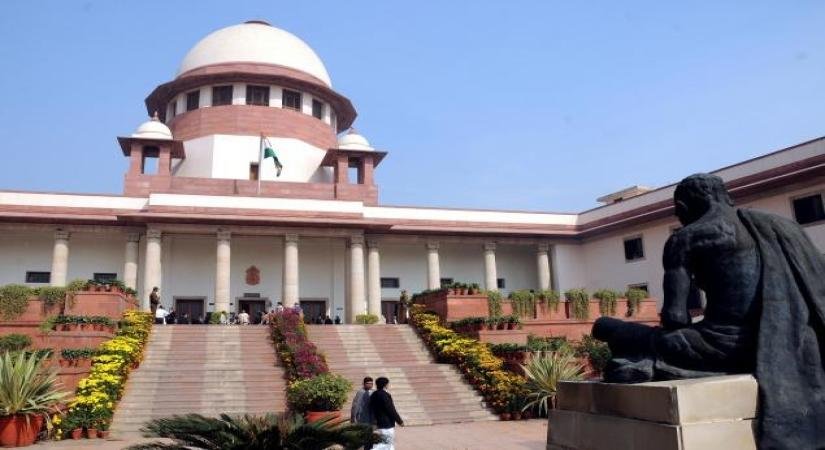
PM Modi’s Gujarat visit on ‘Janjatiya Gaurav Diwas’ highlights decades-long bond with tribal communities


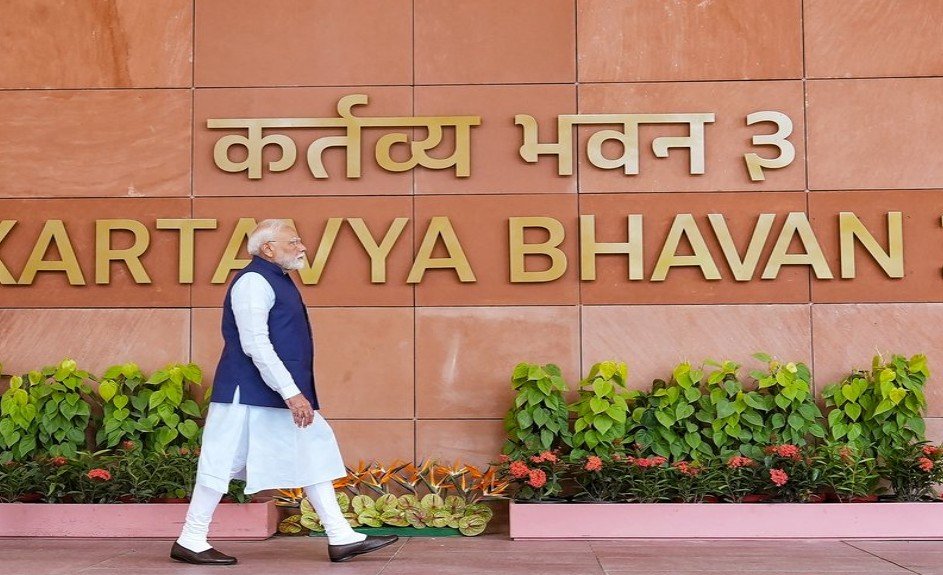
Gujarat, Nov 15 – Prime Minister Narendra Modi arrived in Ahmedabad today to celebrate Janjatiya Gaurav Diwas, the Tribal Pride Day, and he was greeted with cheers from the state’s tribal communities. People said Modi’s visits bring more than goodwill – they bring dignity, new opportunities and a clear path to self‑reliance.
Modi’s connection with tribal families stretches back to his early days as a grassroots worker. Before he became a national leader, he lived in the small villages of Sabarkantha, Baroda and Dang, sharing meals with households and watching closely how drought and poor infrastructure hurt ordinary people. In the 1980s, he helped organise food and water supplies for villages cut off during severe dry spells and urged volunteers to replace festive celebrations with practical help, such as supporting a child’s education.
He used these early experiences to shape his vision for tribal welfare. While serving as the BJP’s Gujarat state secretary, Modi championed the first Tribal Haq Patra in 1995, charging that indigenous communities deserved better housing, health services and dignity. When he became chief minister in 1995, he focused on the victims of the 2001 Kutch earthquake, opting to spend his first Diwali in the war‑torn tribal village of Chobari.
Modi’s policy toolkit grew with several pioneering programmes. In 2007, he launched the Vanbandhu Kalyan Yojana and the Chief Minister’s 10‑Point Programme, among the first mission‑style development models in India. These plans expanded schooling, health care, irrigation, and electricity into remote villages while keeping a tight watch on progress.
Education was a priority. He noted there were no science schools for high‑schoolers outside major towns and responded by building the first such schools, adding vocational training, hostels and teacher institutes. Gujarat’s tribal schools began to teach sustainability – biogas, water harvesting and solar power – as part of the curriculum, signalling a push for a future that blends knowledge with environmental stewardship.

Livelihood projects also took root. The state promoted bamboo‑based crafts for Kotwalia artisans, supported integrated dairy farms and introduced mechanised farming to reduce the hard work of tribal farmers. Modi strengthened the Forest Rights Act of 2006, personally handing out land‑allocation letters in southern Gujarat and ensuring 22,000 previously rejected applications were re‑examined.
Connectivity lay at the heart of Modi’s programs. He oversaw a wave of road building that brought every village, even those with fewer than 250 residents, into the country’s all‑weather network. The same focus on roads brought irrigation, power and clean drinking water to tribal belts, turning isolation into opportunity.
Health initiatives followed a similar pattern of proactive outreach. Projects like Doodh Sanjivni Yojana, launched in 2006–07, supplied fortified milk to schoolkids, while the Chiranjeevi Yojana in 2005 improved maternal health and emergency care. Gujarat also led early efforts to fight sickle‑cell anaemia and leptospirosis, learning lessons that would shape the national Sickle‑Cell Excellence Mission in 2023, which has already screened more than six million people.
Political representation grew too. In 2011, Gujarat’s first tribal family member, Ganpat Vasava, was elected speaker of the state assembly – a milestone Modi described as “rare and unprecedented”. He expanded history‑based pride by building the Tribal Martyrs’ Memorial at Palchitriya in 2003 and later turning it into a living tribute to forest fighters of 1922.
Now, as Prime Minister, Modi broadens this legacy with national schemes like PM‑JANMAN, Dharti Aaba Abhiyan, Van Dhan and Eklavya schools, carrying forward the same model of targeted, measurable, dignity‑oriented governance. He has also helped elevate Droupadi Murmu as India’s first tribal president, marking progress in social representation.
Today, as the country observes Janjatiya Gaurav Varsh and celebrates the 150th birth anniversary of Birsa Munda, Modi’s story – from a field worker in Gujarat’s tribal hamlets to the nation’s chief executive – stands out as proof that connecting with people can be driven by compassion, respect and a clear, action‑oriented plan.
Stay informed on all the latest news, real-time breaking news updates, and follow all the important headlines in world News on Latest NewsX. Follow us on social media Facebook, Twitter(X), Gettr and subscribe our Youtube Channel.