
Delhi-NCR struggles with pollution as AQI slips into ‘poor’ category


New Delhi, Nov 30 – The capital rolled out of bed to a hazy, breathing‑heavy Sunday, as the Central Pollution Control Board (CPCB) reported an average AQI of 270 at 6 a.m., neatly slotting Delhi into the ‘poor’ category. Though this is a slight lift from the ‘very poor’ and ‘severe’ spell that had kept the city grim for several days, the air is still not safe for long outdoor stretches.
Officials said that stronger winds on Saturday evening helped lift some of the day’s built‑up smog, bringing the hourly AQI down a bit. Still, the improvement was small, and many neighbourhoods stayed close to the ‘very poor’ line. A handful of pockets even pushed past the citywide mean: Shadipur led the way with an AQI of 336, followed by RK Puram at 308 — both squarely ‘very poor’ and likely to trigger respiratory discomfort even in healthy people. Other recurring hotspots such as Burari (283), Bawana (295), Sirifort (295), Wazirpur (282), Chandni Chowk (281), Anand Vihar (281), Narela (279), Punjabi Bagh (266) and JLN Stadium (269) kept the ‘poor’ flag flying across Delhi.
A few areas did better. Mandir Marg, at an AQI of 157, was the only place in the ‘moderate’ band. Meanwhile places like Aya Nagar (225), IGI Airport (227), NSIT Dwarka (228), Lodhi Road (251), Alipur (247), Najafgarh (242) and North Campus (240) stayed in the ‘poor’ range.
Across the National Capital Region, Gurugram recorded an AQI of 233 and Noida 267, both ‘poor’. Faridabad’s 178 dropped it into the ‘moderate’ slice, while Ghaziabad reported a ‘poor’ AQI of 262.
On India’s national scale, anything between 201 and 300 is tagged ‘poor’, meaning breathing can become difficult, especially if you’re exerting yourself for a long time.

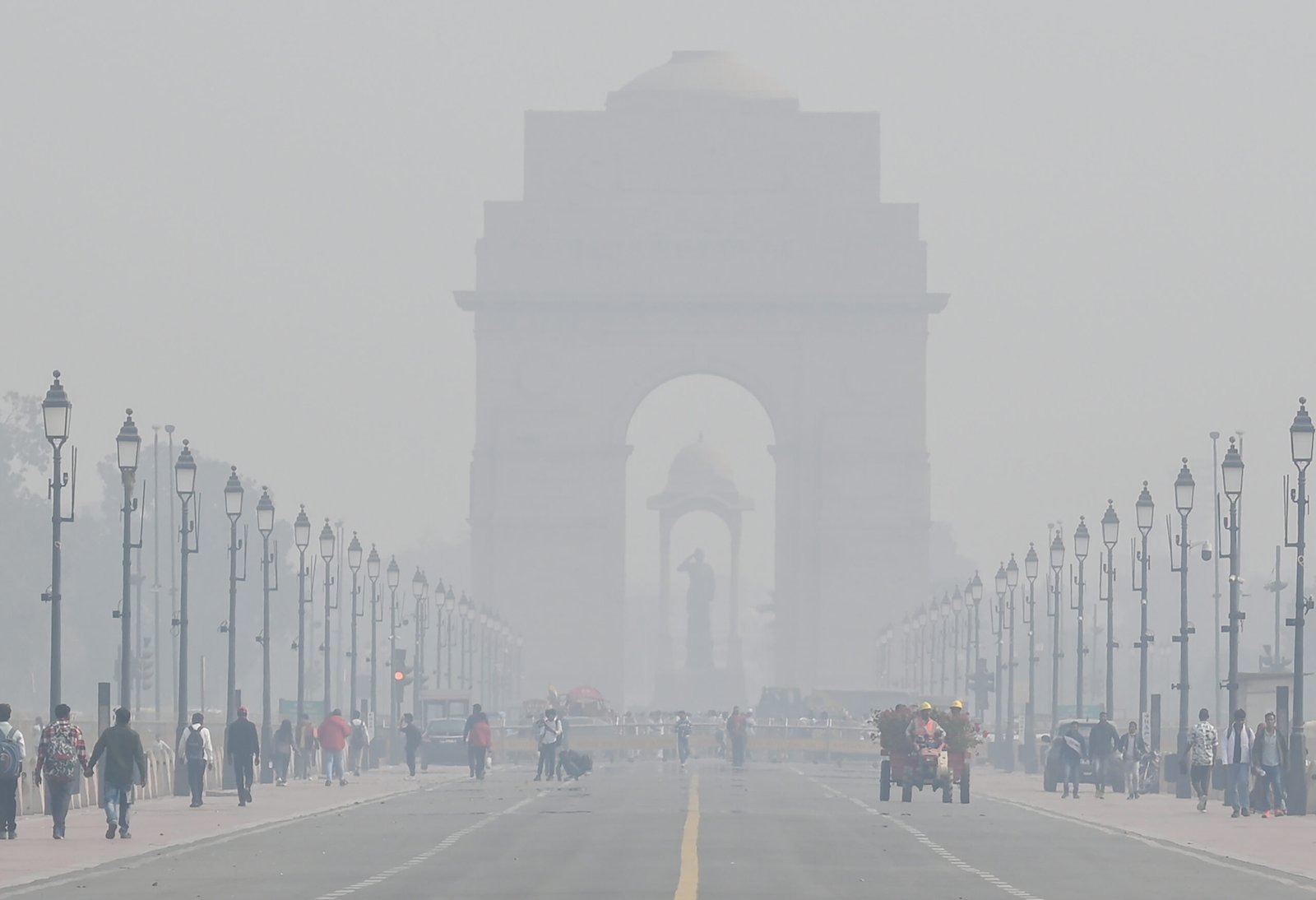

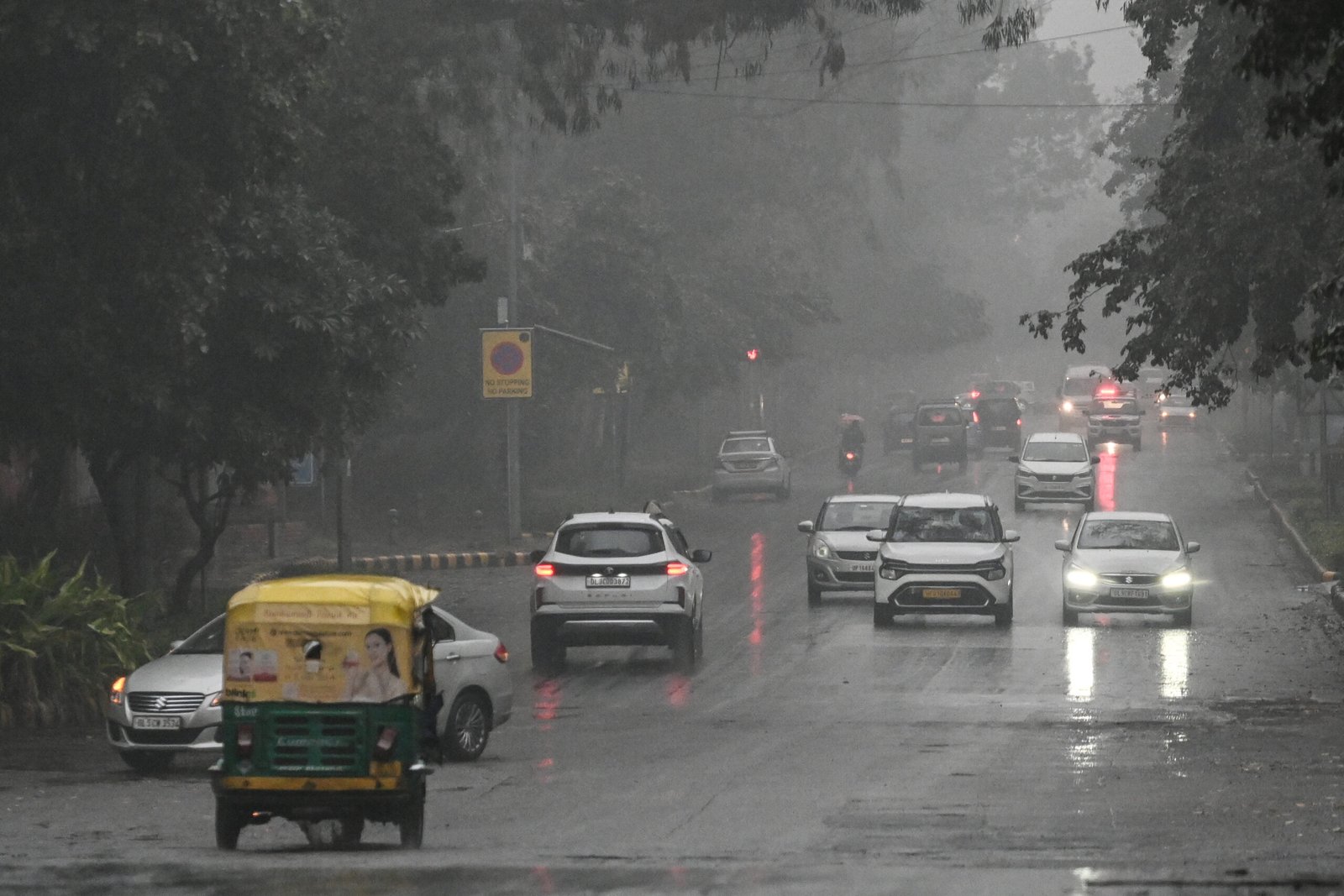
People venting the streets shared stories of relentless haze, itchy eyes and shortness of breath even though the numbers have slipped a touch from last week’s deadly peaks.
With winter settling in and pollution likely to wobble, health experts keep reminding residents to keep outside activities to a minimum early in the morning and late at night, when particle‑laden air tends to sit closest to the ground.
rs/dpb
Stay informed on all the latest news, real-time breaking news updates, and follow all the important headlines in world News on Latest NewsX. Follow us on social media Facebook, Twitter(X), Gettr and subscribe our Youtube Channel.