
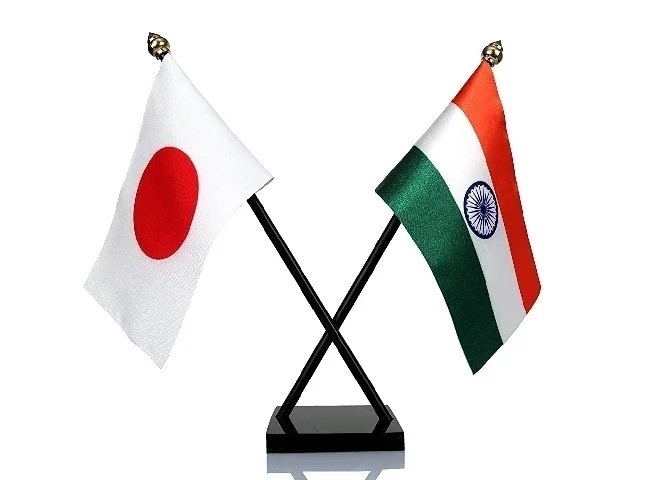
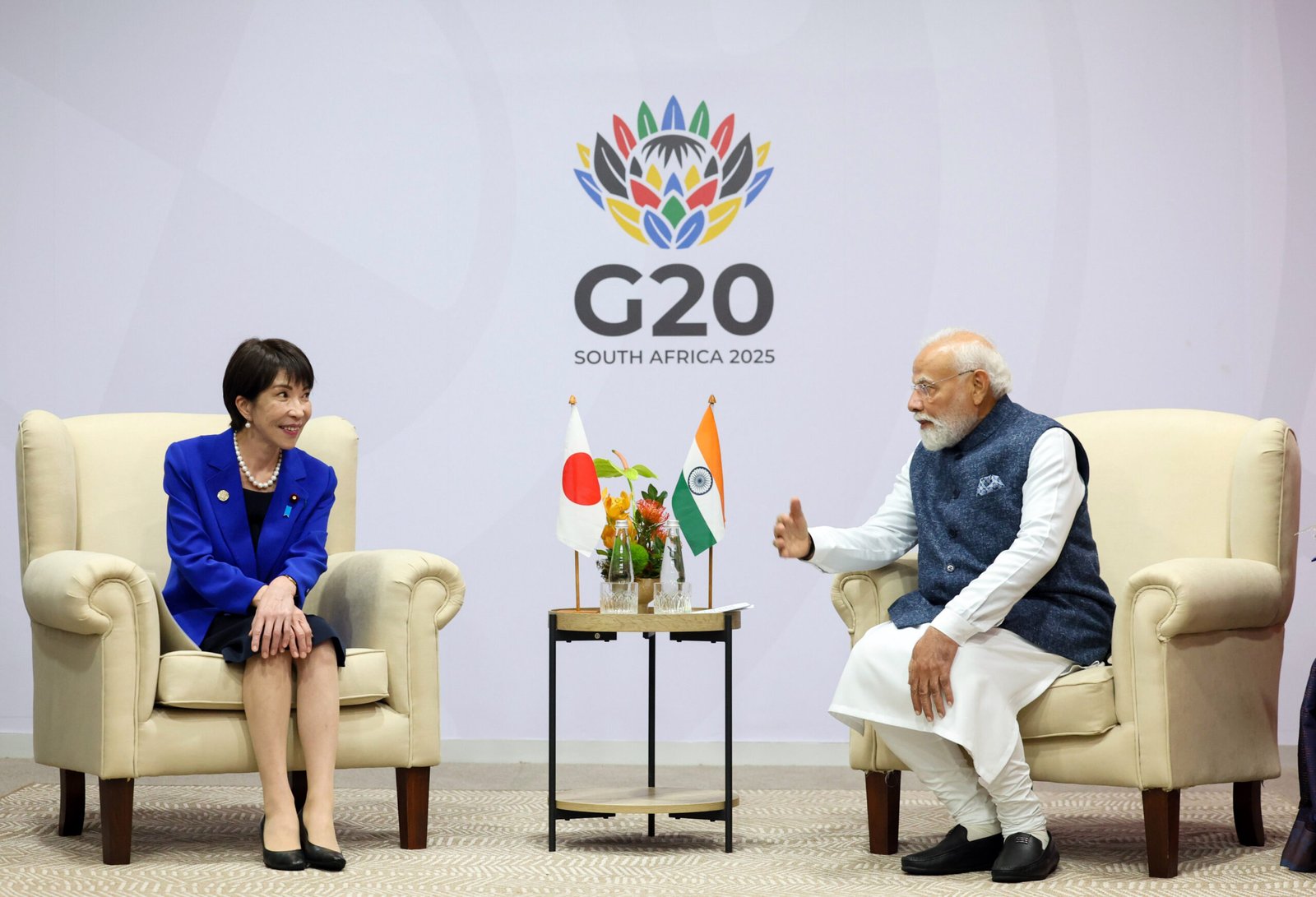
New Delhi and Tokyo are locking arms on the Indo‑Pacific, building a partnership that goes beyond plain alliances. The India‑Japan relationship is framed as a blend of economics, strategy and long‑term development.
The two countries see the region as a place for growth, new tech, and a safe, rules‑based environment that protects democracy and stability. This vision is said to be a model of 21st‑century diplomacy: it mixes day‑to‑day business goals with broader security aims.
How the partnership works
- Maritime security – Japan supplies advanced naval gear and shipping tech; India offers its strategic position in the Indian Ocean. Joint naval drills, like the Malabar exercise, keep sea lanes open and show a united front against any threats.
- Quad cooperation – By teaming up with the U.S. and Australia, the Quad adds weight to deterrence and keeps the Indo‑Pacific stable.
- Economic tie‑ins – Trade, energy and infrastructure are the other pillars. India depends on the Indo‑Pacific to keep its economy going, while Japan’s “Free and Open Indo‑Pacific” vision meshes well with India’s “Act East” plan.
Real‑world projects
- The Mumbai‑Ahmedabad bullet train is a flagship joint venture that showcases technology swaps.
- Japanese funds are pouring into Indian manufacturing, creating jobs and modernizing roads and railways.
- Together, the two nations are also funding projects across Southeast Asia and Africa to offer a counter‑weight to China’s Belt and Road Initiative. Since 2018, their joint investment has doubled, showing how security and prosperity can go hand in hand.
What it means for India
The alliance lifts India’s trade and energy security, creates new jobs, upgrades infrastructure, and injects fresh tech into the economy. It also positions Japan closer to the region’s affairs, opening doors for more investment and reinforcing a stable backdrop for both countries.
The broader lesson
The India‑Japan partnership sets a benchmark: it proves that democracies can combine defense cooperation, infrastructure building, and environmental care to create a resilient future. By balancing national priorities with regional stability and green development, they offer a concrete example of how diplomatic ties can grow deeply profitable and sustainably long‑lasting.
In short, India and Japan are showing the rest of the world that smart, multi‑layered collaboration can protect democracy, spur economic growth, and secure peace in the Indo‑Pacific.

Source: ianslive
Stay informed on all the latest news, real-time breaking news updates, and follow all the important headlines in world News on Latest NewsX. Follow us on social media Facebook, Twitter(X), Gettr and subscribe our Youtube Channel.