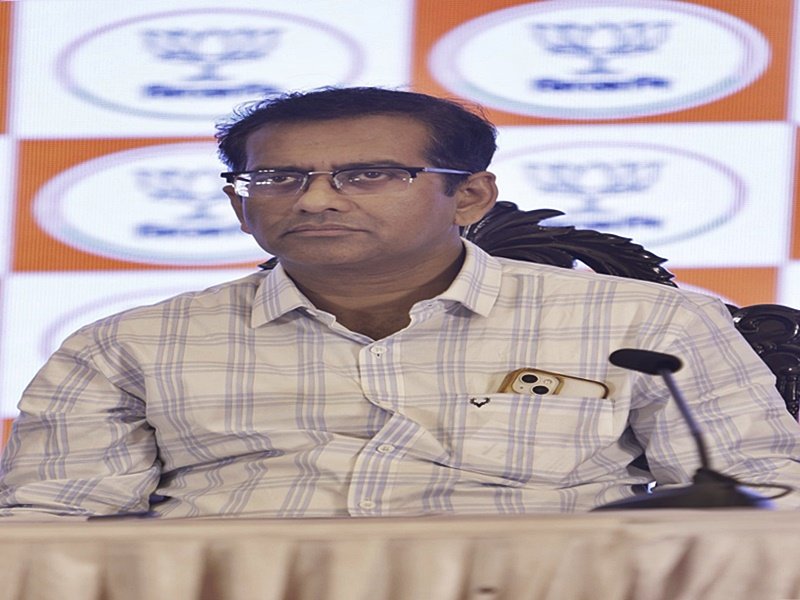
Haryana Cabinet sets age limits for tourist vehicles, clears unified Municipal Bill for 2025

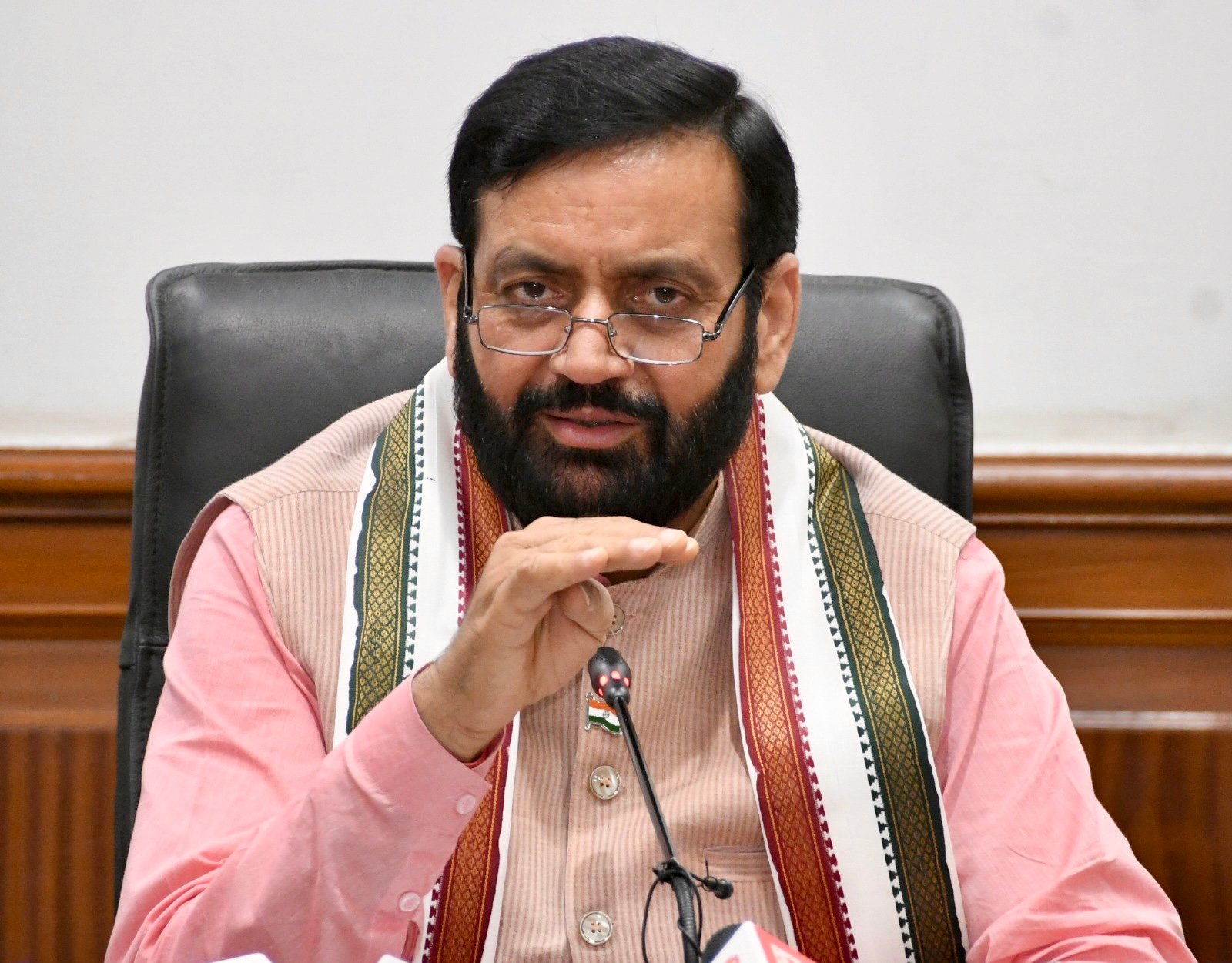
Chandigarh, Dec 8 (LatestNewsX) – The Haryana Cabinet, headed by Chief Minister Nayab Singh Saini, approved new age limits for tourist vehicles under the state’s motor‑vehicle rules on Monday.
These amendments, which will be known as the Haryana Motor Vehicles (Amendment) Rules, 2025, set a 12‑year lifespan for petrol‑ or CNG‑powered vehicles carrying all‑India tourist permits in the NCR zone. Diesel‑fueled vehicles of the same category will now be permitted for no more than 10 years. Outside the NCR, all‑India tourist permit vehicles—regardless of whether they run on petrol, CNG, or diesel—will enjoy the same 12‑year operational ceiling.
For other permits such as stage carriage, contract carriage, goods carriage, and school buses operating in the NCR, the maximum age has been raised to 15 years for petrol, CNG, electric or other clean‑fuel vehicles, while diesel versions are capped at 10 years. In non‑NCR areas, these permits, regardless of fuel type, can stay in service up to 15 years.
In addition to the motor‑vehicle changes, the Cabinet also sanctioned a major overhaul of urban governance through the Haryana Municipal Bill, 2025. The proposed bill seeks to replace the separate 1973 Municipal Act and 1994 Municipal Corporation Act with a single, cohesive legal framework that will bring municipal corporations, councils, and committees under one umbrella.
Presently, 87 municipalities operate under two different statutes, creating administrative snarls, uneven service delivery, and interpretive disputes. After two years of extensive consultations and drawing on provisions from India’s Model Municipal Law, legislators have drafted a bill that promises to simplify processes, clarify regulations, modernise municipal administration, and bolster the financial independence of local bodies.


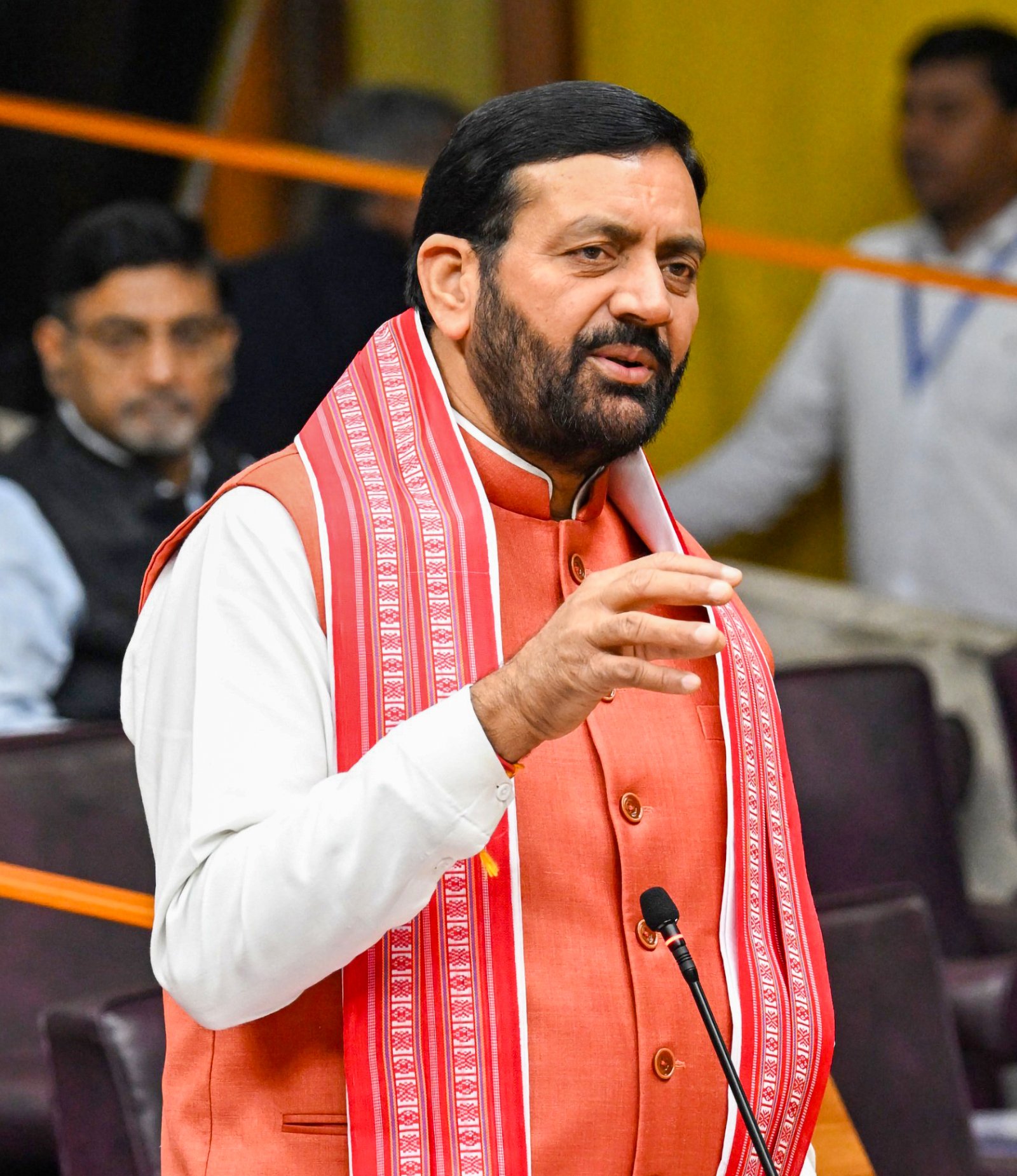
Key elements of the new act include empowering municipalities to set taxes and fees within a range of government‑established limits, instituting credit‑rating mechanisms to facilitate bank borrowing, and adding clauses for urban transport planning, urban forestry, and the prohibition of illegal colonies—much like those in the Haryana Development and Regulation of Urban Areas Act, 1975.
For municipal employees, the bill introduces a common set of service rules to reduce litigation over transfers and promotions, while establishing a municipal magistrate to adjudicate local offences and strengthening penalties for breaches of municipal law. These reforms position Haryana’s urban governance for the demands of today and tomorrow.
vg/pgh
Stay informed on all the latest news, real-time breaking news updates, and follow all the important headlines in world News on Latest NewsX. Follow us on social media Facebook, Twitter(X), Gettr and subscribe our Youtube Channel.