
Himachal’s Spiti recognised as India’s first Cold Desert Biosphere Reserve

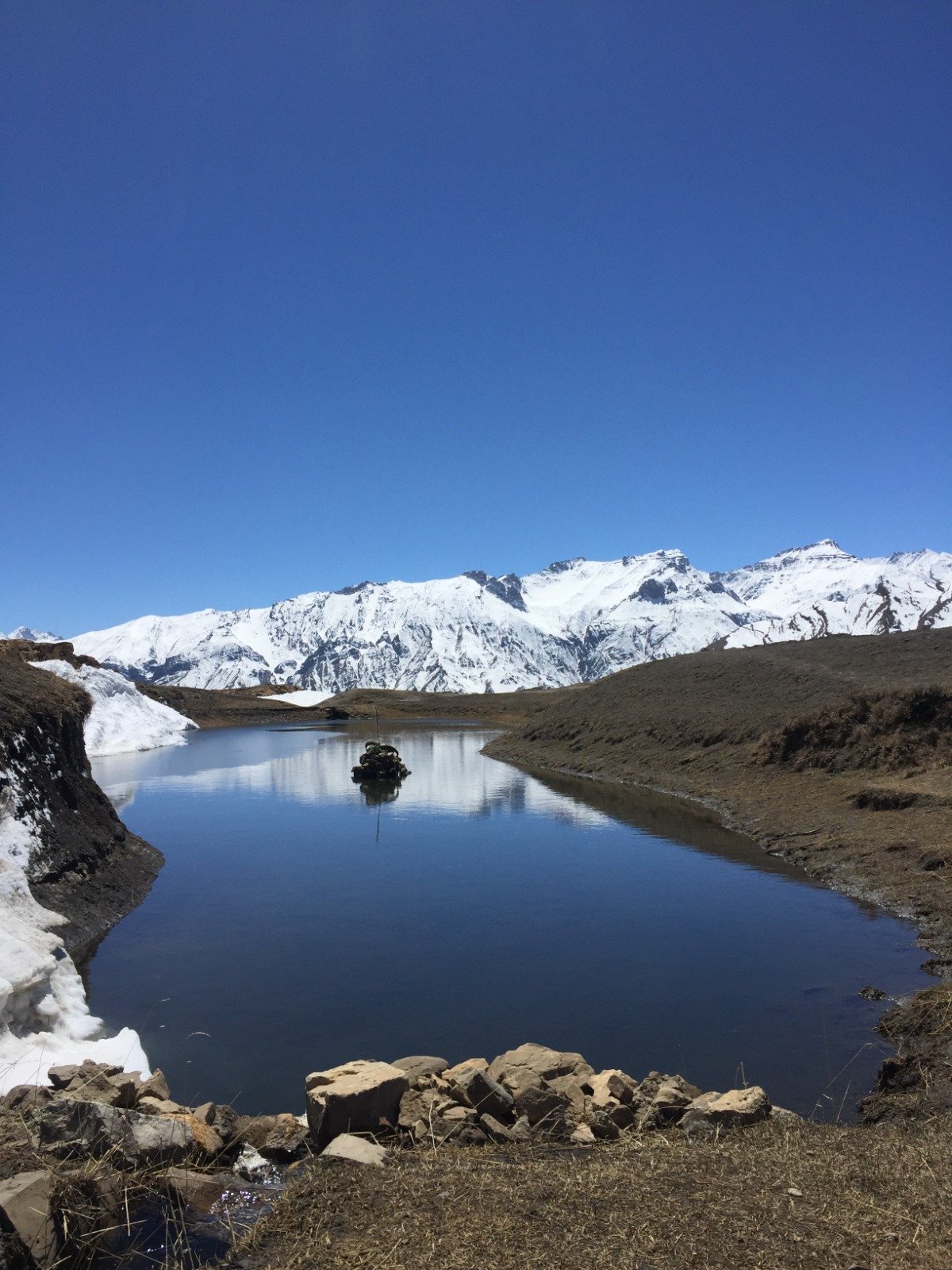
India’s stunning Spiti Valley in Himachal Pradesh just earned a big honor. The remote area in Lahaul-Spiti district became the country’s first Cold Desert Biosphere Reserve under UNESCO’s Man and the Biosphere (MAB) program. Officials announced the news from the 37th International Coordinating Council meeting in Hangzhou, China, which wrapped up on September 28.
This addition brings India’s total to 13 Biosphere Reserves in the global MAB Network. State leaders and local communities worked hard to highlight Spiti’s one-of-a-kind ecology, harsh climate, rich culture, and ancient heritage. People there have coexisted with nature for centuries, and their efforts paid off.
Himachal Pradesh Chief Minister Sukhvinder Singh Sukhu celebrated the milestone in a statement on Sunday. “Our government stands firm on safeguarding the state’s natural and cultural treasures, especially in the face of climate change,” he said. “We balance growth with protecting our delicate environment.”
Spiti Valley covers a vast 7,770 square kilometers. It includes the full Spiti Wildlife Division (about 7,591 sq km) and nearby spots in the Lahaul Forest Division, like Baralacha Pass, Bharatpur, and Sarchu (179 sq km). Towering from 3,300 to 6,600 meters high, it sits in the Trans-Himalaya region of the Indian Himalayas.
The reserve breaks down into three key zones: a protected core of 2,665 sq km, a buffer area of 3,977 sq km, and a transition zone of 1,128 sq km for sustainable activities. It weaves in treasures like Pin Valley National Park, Kibber Wildlife Sanctuary, Chandratal Wetland, and the sweeping Sarchu Plains. This cold desert thrives despite extreme weather, rugged terrain, and thin soils.
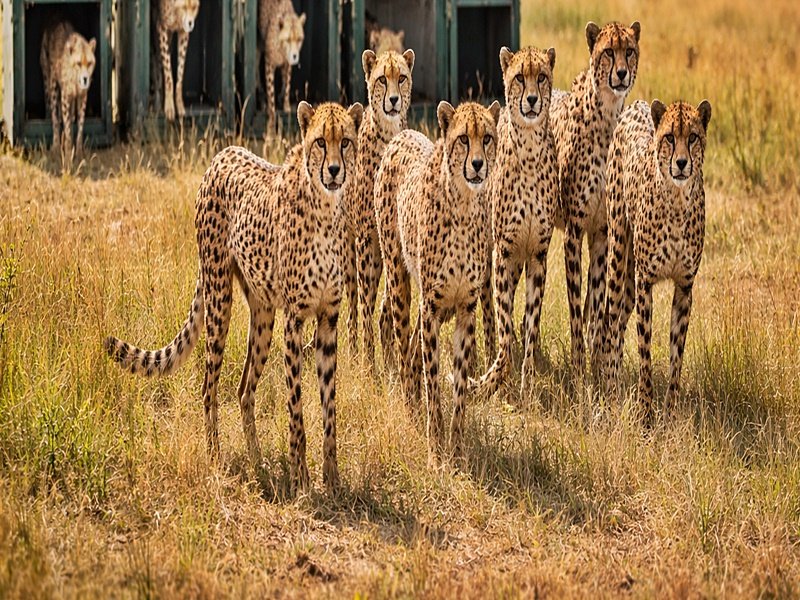

Nature lovers will geek out over Spiti’s biodiversity. You find 655 types of herbs, 41 shrubs, and 17 tree species here. Among them, 14 are endemic to the area, and 47 serve as medicinal plants in the traditional Sowa Rigpa and Amchi healing practices. Wildlife shines too, with 17 mammal species and 119 birds calling it home. The elusive snow leopard stars as the flagship animal.
Spot other icons like the Tibetan wolf, red fox, ibex, blue sheep, Himalayan snowcock, golden eagle, and bearded vulture. Spiti boasts over 800 blue sheep, giving big predators like the snow leopard a solid food source.
Amitabh Gautam, the state’s Principal Chief Conservator of Forests for Wildlife, couldn’t hide his excitement. “This puts Himachal’s cold deserts on the world stage for conservation,” he told reporters. “It opens doors for global research partnerships, boosts eco-tourism to help locals earn a living, and ramps up our fight against climate change in the vulnerable Himalayas.”
Stay informed on all the latest news, real-time breaking news updates, and follow all the important headlines in world News on Latest NewsX. Follow us on social media Facebook, Twitter(X), Gettr and subscribe our Youtube Channel.