
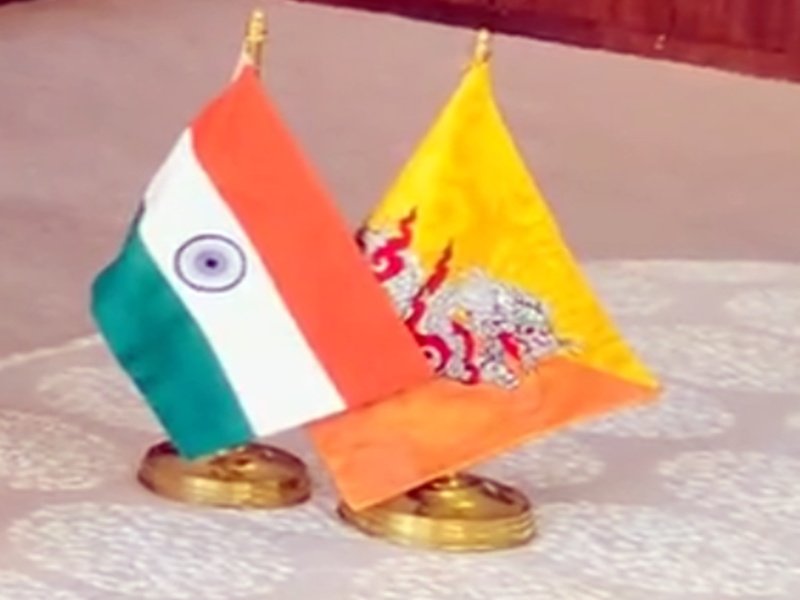
In a major boost to their special friendship, India and Bhutan have taken their relationship to the next level this year with a powerful new set of agreements. The recent high-profile visit of Bhutan’s Prime Minister Tshering Tobgay to India, along with meetings with External Affairs Minister S. Jaishankar, has resulted in exciting plans that cover everything from infrastructure and energy to education and security.
A key highlight of this partnership is India’s massive financial commitment. As Bhutan’s biggest development partner, India has pledged a whopping Rs 10,000 crore to support the Himalayan nation’s 13th Five-Year Plan. This funding will fuel growth in critical areas like infrastructure, community projects, and economic development, building on a history of support that helped Bhutan graduate from a Least Developed Country.
So, what’s new on the ground? The two neighbors have greenlit 10 new high-impact projects. These initiatives will focus on improving healthcare, building better urban infrastructure, enhancing digital and physical connectivity, and supporting the livestock sector. This adds to over 61 major projects and 283 community-driven schemes already making a difference in Bhutan.
Get ready for easier travel and trade! India and Bhutan are fast-tracking cross-border connectivity that will bring people and businesses closer. Two new railway links—connecting Banarhat in West Bengal to Samtse and Kokrajhar in Assam to Gelephu—are in the final survey stages. These rails lines promise to be a complete game-changer for regional integration. Upgrades to immigration posts and new trade routes are also in the works to boost tourism and commerce.
The trusted energy partnership is also expanding beyond hydropower. While both countries are committed to finishing major projects like the 1020 MW Punatsangchhu-II hydropower plant on an accelerated schedule, they are also venturing into new areas. A shared vision for a green future includes collaborations in solar power, wind energy, and even green hydrogen and mobility.
India’s support is also investing in Bhutan’s greatest asset: its people. Development assistance is funding GyalSung, Bhutan’s transformative National Service Program, to empower the youth with skills and leadership training. More scholarships, reserved medical seats in Indian institutions, and STEM education programs are creating new opportunities for Bhutanese students.
On the strategic front, the two nations have reaffirmed their close coordination on regional security and border management, with regular talks between their national security advisors. The unique and historical bonds between India and Bhutan continue to be a cornerstone of stability and mutual prosperity in the region.