One Nation, One Election will lead to reduction in violence, to help stablise policy making: Experts

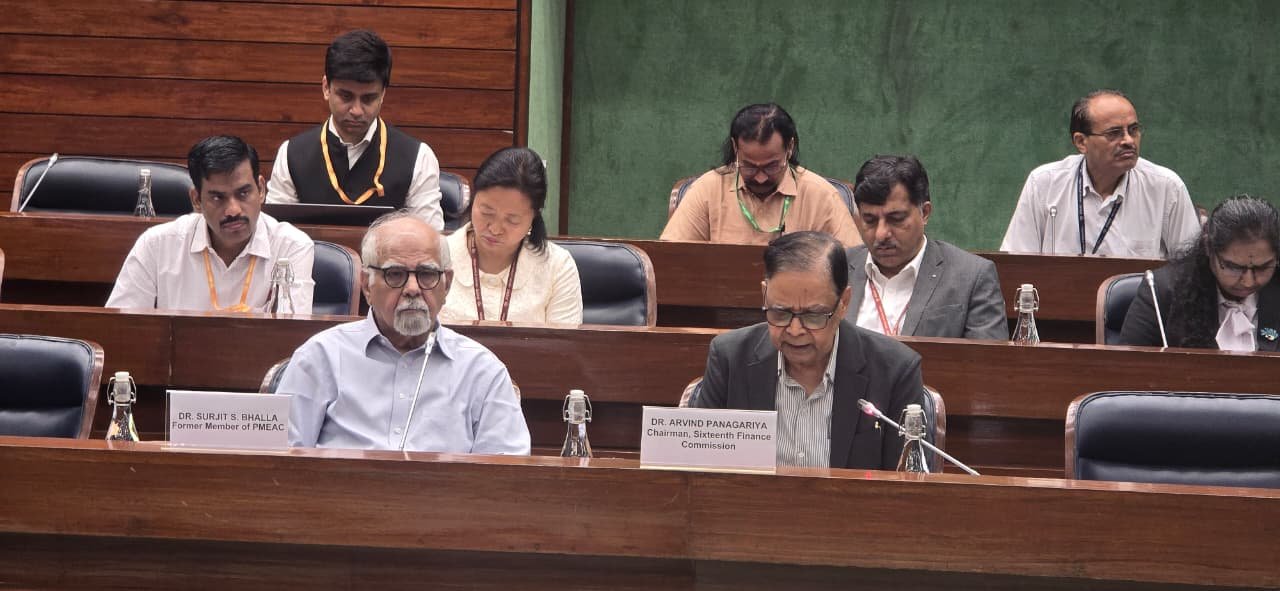
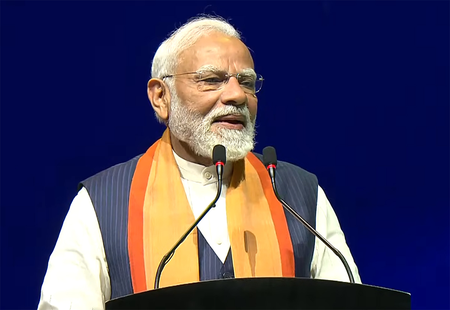
In New Delhi on September 24, the Joint Parliamentary Committee (JPC) on One Nation One Election (ONOE), led by BJP MP P.P. Chaudhary, listened to strong arguments from two top economists in favor of holding simultaneous elections for the Lok Sabha and state assemblies.
Arvind Panagariya, who chairs the 16th Finance Commission, kicked off the key meeting by explaining how India faces a whopping 13 rounds of elections every five years—basically one every 4.5 months. He pointed out that back in 1957, the Constitution’s framers even dissolved some state assemblies early to sync polls with the national elections. Panagariya believes if they saw today’s endless cycle of voting, they’d back something like the 129th Constitutional Amendment Bill, which pushes for One Nation One Election.
He highlighted the real headaches from the Model Code of Conduct (MCC), which pops up so often that it stalls policymaking, slows down government buying, and blocks key reforms. Even bodies like the Finance Commission get delayed. On the flip side, simultaneous elections every five years would give leaders a steady, long-term view for policies at both state and national levels. This cuts uncertainty, builds stability, and helps spark more private investment.
Panagariya also shared solid research showing how governments ramp up spending right before elections to juice short-term growth, which spikes the budget deficit. With ONOE, he’d see more policy stability, lighter subsidy loads, and fewer roadblocks from states during national reform pushes tied to poll seasons.
Surjit Bhalla, a leading economist and former IMF Executive Director, backed these ideas and zeroed in on the real issue: not the Lok Sabha polls every five years, but the constant state elections. He said the MCC hits states harder because their voting isn’t as predictable as the national schedule.
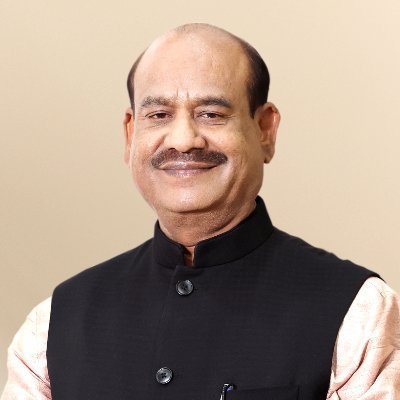
“Non-simultaneous elections cost a fortune and are a luxury India can’t afford anymore,” Bhalla stressed. He added that fewer elections under One Nation One Election could dial down violence, which often flares up during polls and hits migrant workers with big financial and missed-opportunity costs.
Both Panagariya and Bhalla agreed that simultaneous elections would make democracy stronger by cutting chaos and paving the way for bolder reforms.
Stay informed on all the latest news, real-time breaking news updates, and follow all the important headlines in world News on Latest NewsX. Follow us on social media Facebook, Twitter(X), Gettr and subscribe our Youtube Channel.