

New Delhi, Feb 14 (LatestNewsX) During 10 years of the UPA government, only 6 lakh metric tonnes of pulses were procured and in contrast, the Prime Minister Narendra Modi government has procured 1 crore 92 lakh metric tonnes of pulses, according to Union Agriculture Minister Shivraj Singh Chouhan.
He announced that 100 per cent procurement of tur (pigeon pea), masoor (lentil) and urad (black gram) will be ensured.
“Whatever quantity farmers produce and wish to sell, the Centre will procure in full,” said the minister.
Chouhan noted that while India had 38 per cent of the global area under pulses cultivation, its share in production was only 28 per cent, reflecting low productivity due to old seed varieties, low seed replacement rates and adverse weather.
Many farmers had shifted to other crops. Until 2016, India was the largest importer of pulses.



“Through improved technology, advanced varieties, scientific research, farmer support and policy backing, a ‘Pulses Revolution’ began. As a result, in 2021–22, pulses production reached a record 27.30 million tonnes,” the minister informed the Parliament.
Under the Self-Reliance in Pulses Mission, provisions include development of improved seed varieties, higher seed replacement rates, farmer training, cluster approach, free mini-kits, demonstration plots, assistance up to Rs 10,000 per hectare, transparent procurement and support up to Rs 25 lakh for setting up dal mills.
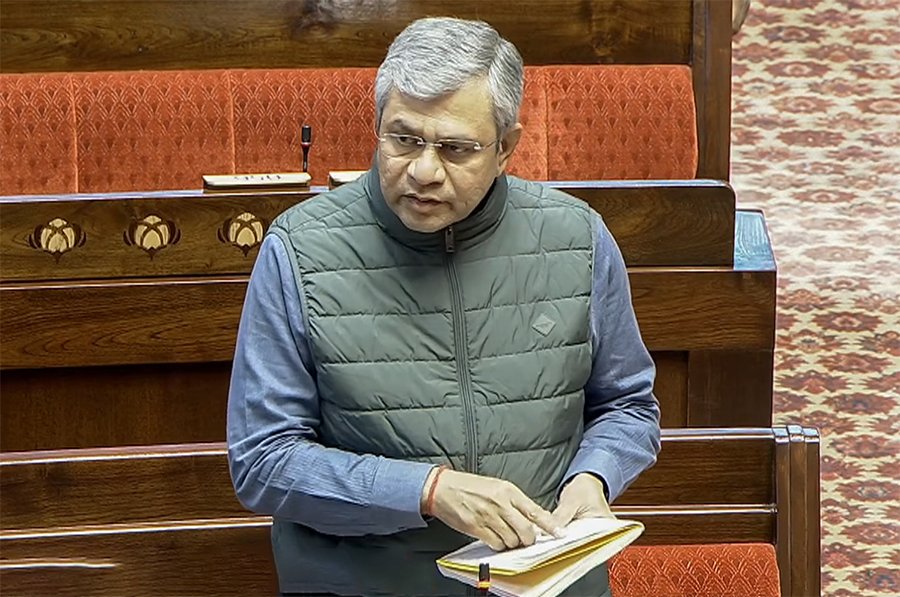
Chouhan stated in the Rajya Sabha that PM Modi took the historic decision to create agricultural infrastructure worth over Rs 1 lakh crore under the Agriculture Infrastructure Fund, ensuring that farmers’ produce can be safely stored.
Under this scheme, 44,243 Custom Hiring Centres, 25,854 Primary Processing Centres, 25,565 Farm Harvest Automation Units, 17,779 Warehouses, 4,201 Sorting and Grading Units, infrastructure for Smart and Precision Agriculture at 3,549 locations, and 2,827 Cold Storages have been established, he informed.
Because of these modern structures, losses of crops, fruits and vegetables have been reduced by 5 per cent to 15 per cent.
Farmers are now able to store their produce safely and obtain better prices instead of being forced to sell immediately after harvest, said the minister.
—LatestNewsX
na/
Stay informed on all the latest news, real-time breaking news updates, and follow all the important headlines in world News on Latest NewsX. Follow us on social media Facebook, Twitter(X), Gettr and subscribe our Youtube Channel.