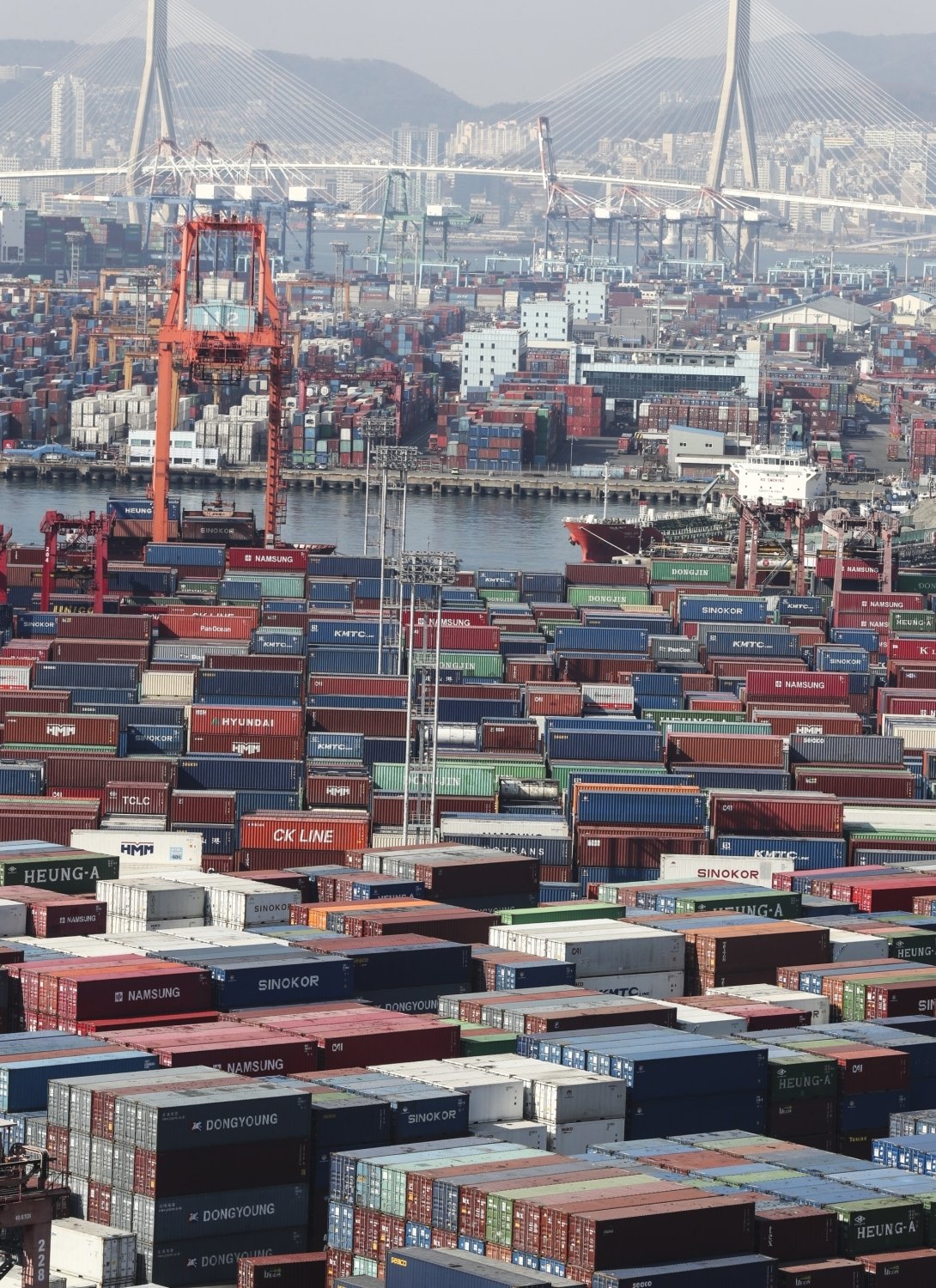


New Delhi, Nov 28 – At the annual FICCI general meeting, Commerce and Industry Minister Piyush Goyal told delegates that India is in talks for fair trade deals with 14 partners that cover almost 50 countries. These partners include the United States, the EU, several GCC states, New Zealand, Israel, the Eurasia group, Canada, South Africa and the Mercosur bloc.
He pointed out that India has already struck balanced agreements with Australia, the UAE, Mauritius, the United Kingdom and the four‑nation EFTA group. Goyal said that the current geopolitical and economic turmoil has highlighted the need for reliable allies and resilient supply chains, so India is expanding its network of free‑trade agreements and economic partnerships to build long‑term cooperation rooted in fairness, transparency and mutual benefit.
“The idea of self‑reliance is embedded in India’s civilizational ethos,” Goyal recalled. He linked the concept to references in the Bhagavad Gita and the Swadeshi ethos championed by Mahatma Gandhi. “Self‑reliance has guided our progress for years and remains central to our economic strategy,” he added, noting that the Prime Minister’s Atmanirbhar Bharat agenda gives it even more focus.
Regarding the new EFTA deal, Goyal highlighted that the bloc will invest $100 billion in India’s innovation and precision‑manufacturing sectors. He emphasized India’s cost advantage in research and innovation, arguing that high‑quality breakthroughs can be pursued in India for a fraction of what it would cost in Europe or the U.S.
The minister stressed India’s strengths in technology and innovation, citing a youthful workforce, rising digital adoption and a growing pool of talent. He pointed out that the country’s large number of STEM graduates and widespread internet access create strong potential in emerging fields such as applied AI, automation, robotics and deep‑tech innovation.

He also mentioned the recently announced $12 billion Research, Development and Innovation (RDI) fund, along with ongoing support for start‑ups and deep‑tech companies, which will further accelerate India’s innovation ecosystem.
Highlighting the importance of skill development, Goyal said India’s young population is quick to master new technologies and already shows high engagement with digital platforms. This readiness, he noted, positions India to play a major role in the global technology landscape, unlike many developed economies that are grappling with ageing populations.
Using a “PESTLE” framework, the minister mapped India’s strengths. He said that Prime Minister Modi has consistently pushed self‑reliance across all sectors. Politically, a stable and predictable government committed to “Minimum Government, Maximum Governance” has boosted investor confidence. Economically, initiatives such as the National Manufacturing Mission and the Rs 25 000 crore Export Promotion Mission are helping India rise toward becoming the world’s third‑largest economy.
On the social side, he highlighted that the four Labour Codes improve wages and protections, while the Antyodaya approach helps meet basic needs.
In technology, Goyal mentioned programmes aimed at reducing external dependence, including the Rs 76 000 crore Semiconductor Mission and the Rs 7 000 crore initiative for permanent‑magnet production, both of which strengthen domestic manufacturing and supply‑chain security. He also referenced ongoing legal reforms, such as progress toward Jan Vishwas 3.0, designed to simplify doing business.
He noted that the “Atomic Energy Bill 2025” will open the nuclear sector, marking a historic shift toward energy sovereignty.
The minister called on FICCI to adopt a mission‑driven approach to boosting innovation, deepening research and development, strengthening industry‑academia linkages and supporting India’s journey toward becoming a developed nation by 2047.
Stay informed on all the latest news, real-time breaking news updates, and follow all the important headlines in world News on Latest NewsX. Follow us on social media Facebook, Twitter(X), Gettr and subscribe our Youtube Channel.