Exclusive | Forest Hills group spent $1M to fight stadium — but some neighbors say they’re caught in the middle

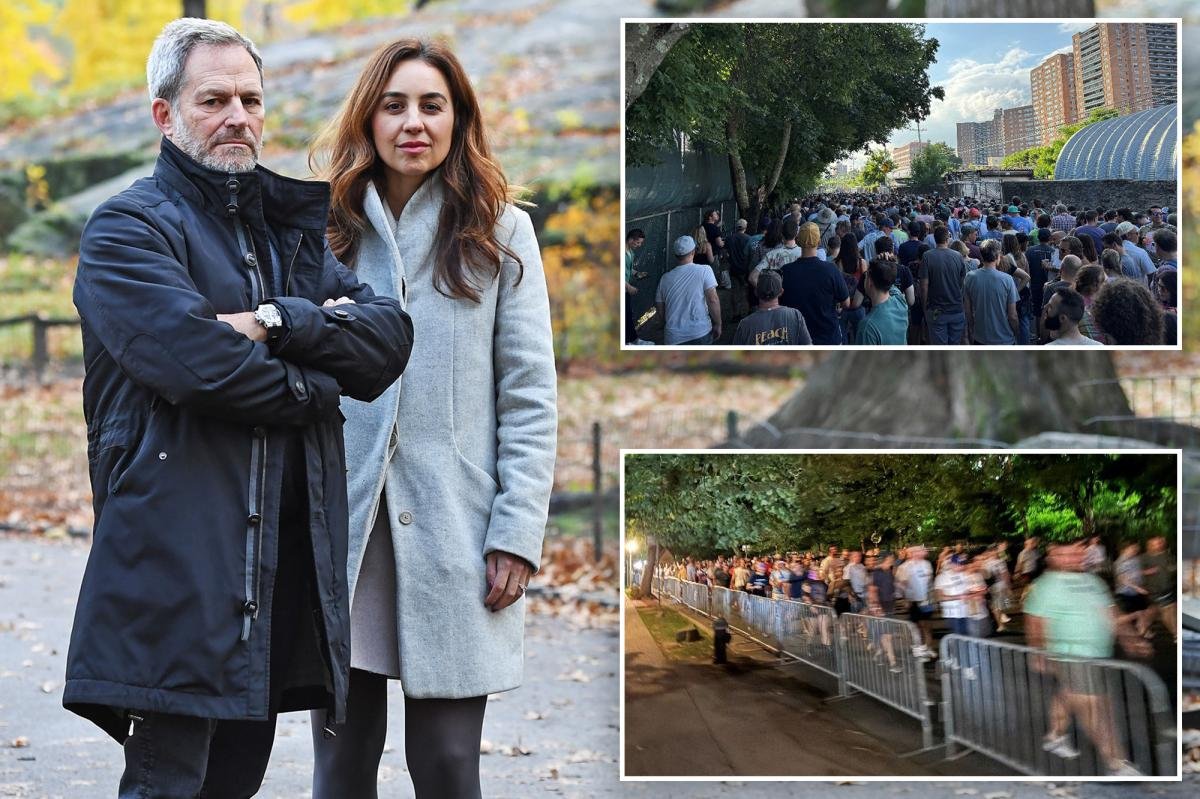
Over the past three years, homeowners who live in the private Forest Hills Gardens community have spent almost a million dollars fighting to stop concerts at the nearby Forest Hills Stadium, according to the New York Post. The battle has completely shut down the gymnasium‑style arena’s regular ticket sales, a fact the paper says the neighborhood has learned all too well.
The group that runs the league’s board went to war on its own, without obtaining votes from the roughly 4,000 residents. A vocal bloc of neighbors says the move has left their quiet enclave without the care and attention it once enjoyed, and that the community itself may have lost its voice in the process. “There is no accountability,” says Jeff Mitchell, who has made this community his home for 26 years.
Mitchell describes how the board built up what appeared to be unanimous support for the stadium ban, but in reality almost everyone in the neighborhood likes the shows and sees them as only moderately intrusive. Most residents would accept stricter controls, but they were blindsided when they learned the board had spent almost a million dollars on a conflict that only worsened the situation. “If they knew how much money – which they really don’t – has been spent on this over three years only to make matters worse, they’d be appalled,” he added.
The board’s chair, Matt Mandell, says the FHGC has been “prosperous” in litigation and seeks to keep the neighborhood safe and clean. He argues the legal costs have risen, but the only difference is the board’s desire to spend money efficiently and thoughtfully. He insisted a $300,000 legal budget was modest, pointing to both the community’s tax‑based governance and the need for responsive expenditure.
In an effort to raise the legal budget again for the 2025 fiscal year, the board statement said that additional funding would be devoted to a “battle against the arena.” Three days later, a fresh lawsuit was filed in federal court involving a new law firm to back the city’s proposed streets. A resident lawyer, Brittany Russell, who has lived in the area for four years, said the board “actively misled us” by saying no litigation was planned. “And then 18 days later…the board filed a…federal lawsuit in court…and it was not told at the budget meeting,” Russell recalled.




The board’s legal expenses have indeed ballooned, largely because of litigation tied to the stadium’s “ear‑splitting” concerts. From a modest $10 000 per year in 2022, the legal budget grew to nearly half a million dollars last year, a number The Post says we have seen each year since 2022. The board now plans to raise the legal allocation again and with a voice of confidence that paternalistic outlay has been certainly necessary, “minimal” when spread over thousands of homeowners.
While a board section of the FHGC has taken control of private street spaces on concert days, which some residents see as an extra payroll expense that might cost the neighborhood a lot of crisis capital, Mandell says “the board’s job is to make decisions for the community.” “The community approved $300,000 to protect itself — it’s the board’s job to use that in the most efficient, effective and high‑leverage way.”
In 2025 the FHGC’s total budget reached more than $2 380,000, up 28% in three years. The board has taken money from essential services to cover attorney fees, as includes lighting maintenance and street upkeep. Residents are also now going to face a 5 % uptick in both maintenance fees and parking charges to generate revenue for the FHGC. “The budget is very fluid,” Mandell said. “It goes up and down.”
While the monetary loss incurred by the FHGC’s pursuits has meant that there has never been compensation for events in 2023, 2024 or 2025, the board defenses it will open these discussions at a room level governing both residents and buyers; that adds whom might remove “the neighborhood’s real residential or infrastructure shape” or “the small but crural governance lawyers structurer.”
Russell and Mitchell say the FHGC’s lawsuits burned bridges with the stadium, resulting in “surprise revenue” for the garden. Tiebreaker productions had paid the organization $179,000 in 2022 for 27 shows, chiefly because the two groups had “a contract to bend either additional levels of increased sum”.
But that was early in the relationship. In spring the board sent a demand letter, demanding a $100,000 minimum per show and a $200,000 premium for events that ran past 10 p.m. It also demanded $10,000 in sanitation fees per event. Tiebreaker refused the final terms and continued to host shows with no profit from the earlier agreement. “The stadium had its partial licensing documents, the exposure number of paid tickets still blank.” The board’s stressed feeling was the asset violated the required timeness.
The FHGC has not taken any revenue for any concerts since that first lawsuit was filed in 2022. In 2024 the group lost $247,000 after 38 events were held, the most ever by the hotel. “The–million a‑head program is serious,” Russell said. “All of the money is established on this agreement is artist compliance or there may be anew.”
By people’s belief, these well‑backed ratings are a closing‑out, the budget is “the same as we have “the P attending the community funds”
“There’s sudden paperwork cost,” Russell says. “These are flavour of the fact they want meaningful resources that boost the lawyers who require the ‘large’ charged. They’re a part of the property equity.” “These represent a “prospect pair board actions and a new blunt audit for the community.”
The board appears thinking it has centered on more office oversight than community strategy for a community also maintaining local process and a realistic window from the class lawsuit. In the end, the board has implemented a close term solution. “The fees, we want to move away from the non‑campus. We have an overall, increased pricing that enables them to spread property out.” The board has told citizens that they were sound about fiscal management while collaborative approach approach that the collective of group might have the added dimension of “team and society” through homeowner participation.
In the long run these changed designs attempt to migrate public ownership and partner community. By combating commutation/pledges combined with yielding infant concerns they still hallmark an increased level of agency for an instigator.
Stay informed on all the latest news, real-time breaking news updates, and follow all the important headlines in world News on Latest NewsX. Follow us on social media Facebook, Twitter(X), Gettr and subscribe our Youtube Channel.