
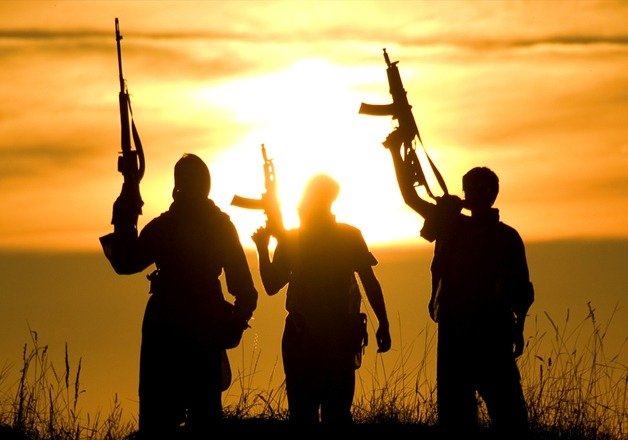
Pakistan faces fresh security worries as the Taliban‑linked Tehrik‑i‑Taliban (TTP) and the Balochistan Nationalist Army (BLA) grow more aggressive after the country deepened ties with the United States. The outfits have warned Islamabad that U.S. business deals in Pakistan could spark attacks, and the U.S. just signed a mineral‑mining agreement that some militants say hands over a “golden ticket” to foreign influence.
—
### TTP threatens Islamabad over U.S. links
The TTP has said it will target anyone close to the United States in the capital. It claims it has enough fighters to launch a surprise strike in Islamabad. The threat is aimed at sending a clear message: any U.S. presence in Pakistan will bring danger to ordinary citizens and government officials.
### Recruitment surge in Punjab

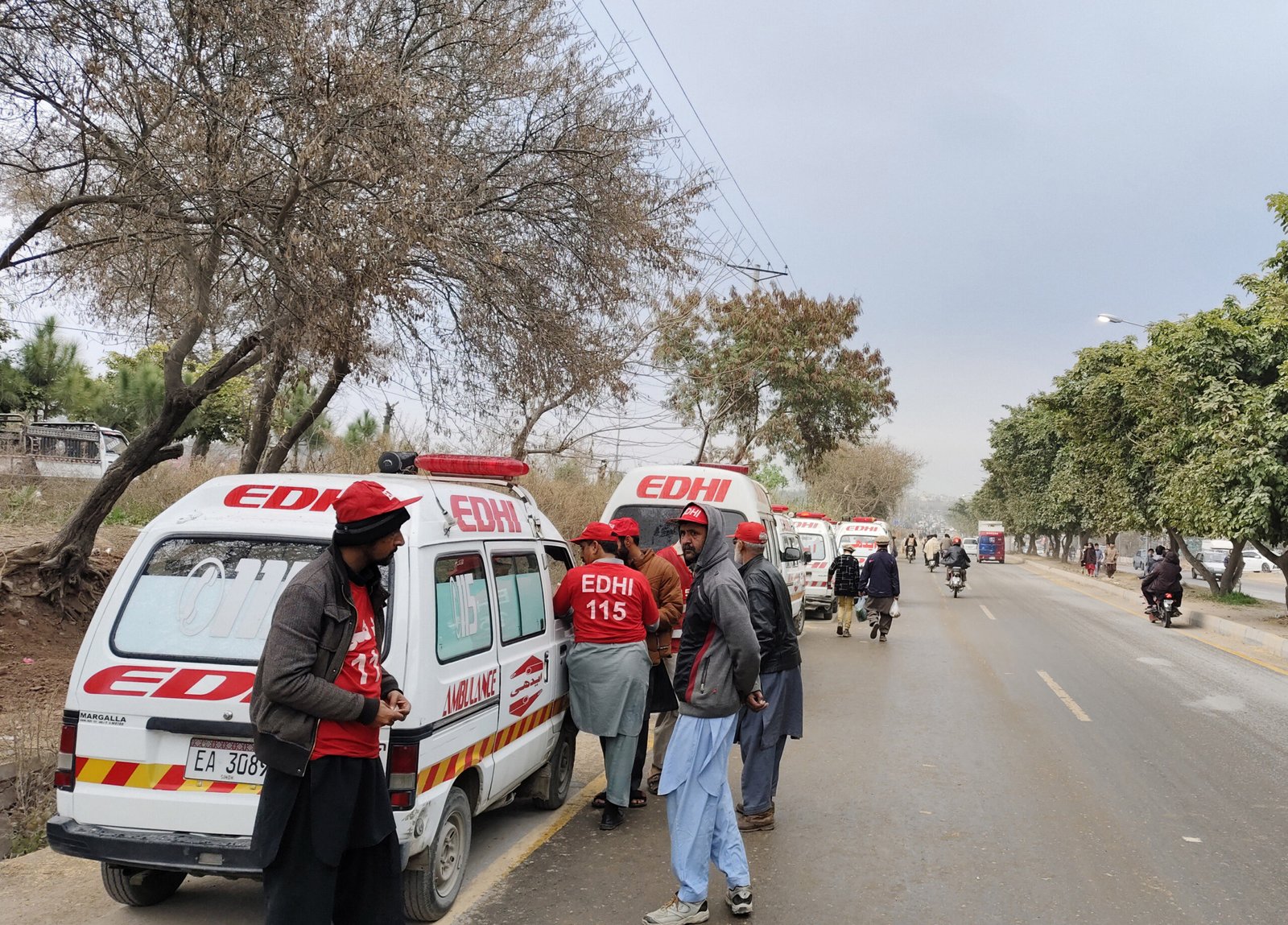

Since the U.S.‑Pakistan talks began, the TTP has focused its recruitment on Punjab. The group carried out a large raid on protests by the Tehreek‑e‑Labbaik (TeL), a clerical party that has clashed with security forces. The crackdown angered many civilians, and the TTP quickly enlisted thousands of new members from within the movement. The influx of fresh fighters gives the TTP a boost it has been missing for months.
### Indian intelligence weighs in
Indian officials have said the situation “is extremely concerning.” They added that the TTP’s mounting strength makes the Pakistan Army vulnerable, especially as the army has struggled to keep up with the group’s attacks. If the U.S. moves to mine rare‑earth minerals in Balochistan, BLA members are also likely to retaliate against what they see as foreign exploitation.
### The thin line of Pakistan’s foreign policy
Pakistan is trying to keep China and the U.S. both satisfied. When China’s China–Pakistan Economic Corridor (CPEC) was first launched, the BLA and the TTP targeted the project, killing many Chinese workers and security officials. China’s heavy losses forced Islamabad to promise higher security for its projects.
China now wants Afghanistan to join the next phase of CPEC, called CPEC‑2. Beijing tells Pakistan it must raise new funds to keep the corridor running, but that answer is hard to give while the country remains cash‑strapped and still fighting the Taliban and domestic insurgents. The security of U.S. interests in Balochistan, financing for the new corridor, and lessons learned from previous attacks give Islamabad a very tight schedule to negotiate.
### Bottom line
Pakistan’s new U.S. ties are a double‑edged sword. On the one hand, the government is looking for investment and support for its economic projects. On the other hand, it brings new targets for the TTP, BLA, and other hard‑line groups. If the government can’t protect U.S. civilians, guarantee security for CPEC projects, and manage Afghan involvement, it risks spiraling violence that threatens its strength as a nation.
Search terms such as “Pakistan”, “TTP”, “BLA”, “Islamabad”, “Punjab”, “CPEC”, “Afghanistan”, “Balochistan”, “US ties”, “mining rare earth”, and “security” are woven throughout this update to help readers find the latest developments in the region.
Source: ianslive
Stay informed on all the latest news, real-time breaking news updates, and follow all the important headlines in world News on Latest NewsX. Follow us on social media Facebook, Twitter(X), Gettr and subscribe our Youtube Channel.