
Picture a fresh batch of weed tossed into your pipe—you’ll be amazed at how much of the U.S. federal government has been edging toward easing its stance on cannabis.
Since April, On The Money has tracked how the president, long known for his war‑on‑drugs image, has gradually been shifting cannabis from an outright criminal offense toward a more regulated commodity.
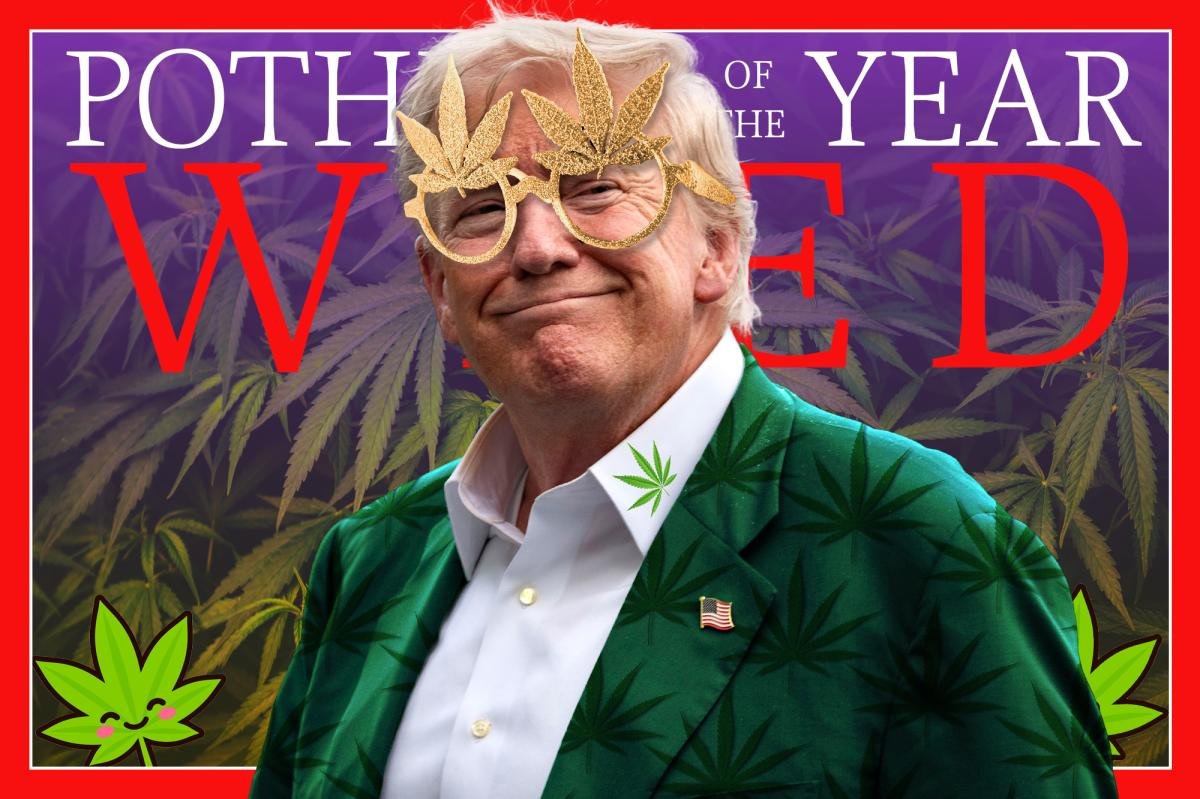
On Thursday, that shift reached a milestone when the president signed an executive order reclassifying marijuana from a Schedule I controlled substance—together with heroin, LSD, and ecstasy—to a Schedule III drug.
This new status puts cannabis in the same bracket as medications like codeine‑laden Tylenol, testosterone, and anabolic steroids, all of which carry a lower risk of dependency relative to Schedule I drugs.
The practical implications are substantial. By moving marijuana to Schedule III, a $60 billion‑per‑year industry can finally enter the mainstream financial system: banks can handle transactions, companies can secure loans, and investors can back cannabis firms without the stigma of illicit activity.


Wall Street’s newfound confidence may lead to cheaper, more reliable funding, decreasing the reliance on alternative routes such as Canadian stock exchanges or private placements.
Of course, not everyone is cheering the move. Critics warn that today’s cannabis products are far more potent than the low‑strength recreational strains of the past, and they worry about impaired driving and public safety.
Yet the argument in favor of legalization points out that the benefits—regulation that keeps minors out of reach, potential tax revenue, reduced cartel profits, and a new, safer path away from opioid abuse—likely outweigh these concerns.
Marc Cohodes, a seasoned hedge fund trader, investor in cannabis equities, and a medical marijuana user after shoulder surgery, has championed this policy shift.
He argues that treating weed like any other legitimate industry not only protects consumers but also strengthens the overall economy.
Cohodes praised the president’s “courage” in implementing the change, noting how the move could mirror the benefits seen when cryptocurrencies gained traction under Trump’s administration.
Broadly, Americans view cannabis as no more hazardous than alcohol, and the president’s decision reflects that consensus. While he himself doesn’t use the drug, the policy shift signals a new era of mainstream acceptance and tighter regulatory oversight.
Stay informed on all the latest news, real-time breaking news updates, and follow all the important headlines in world News on Latest NewsX. Follow us on social media Facebook, Twitter(X), Gettr and subscribe our Youtube Channel.