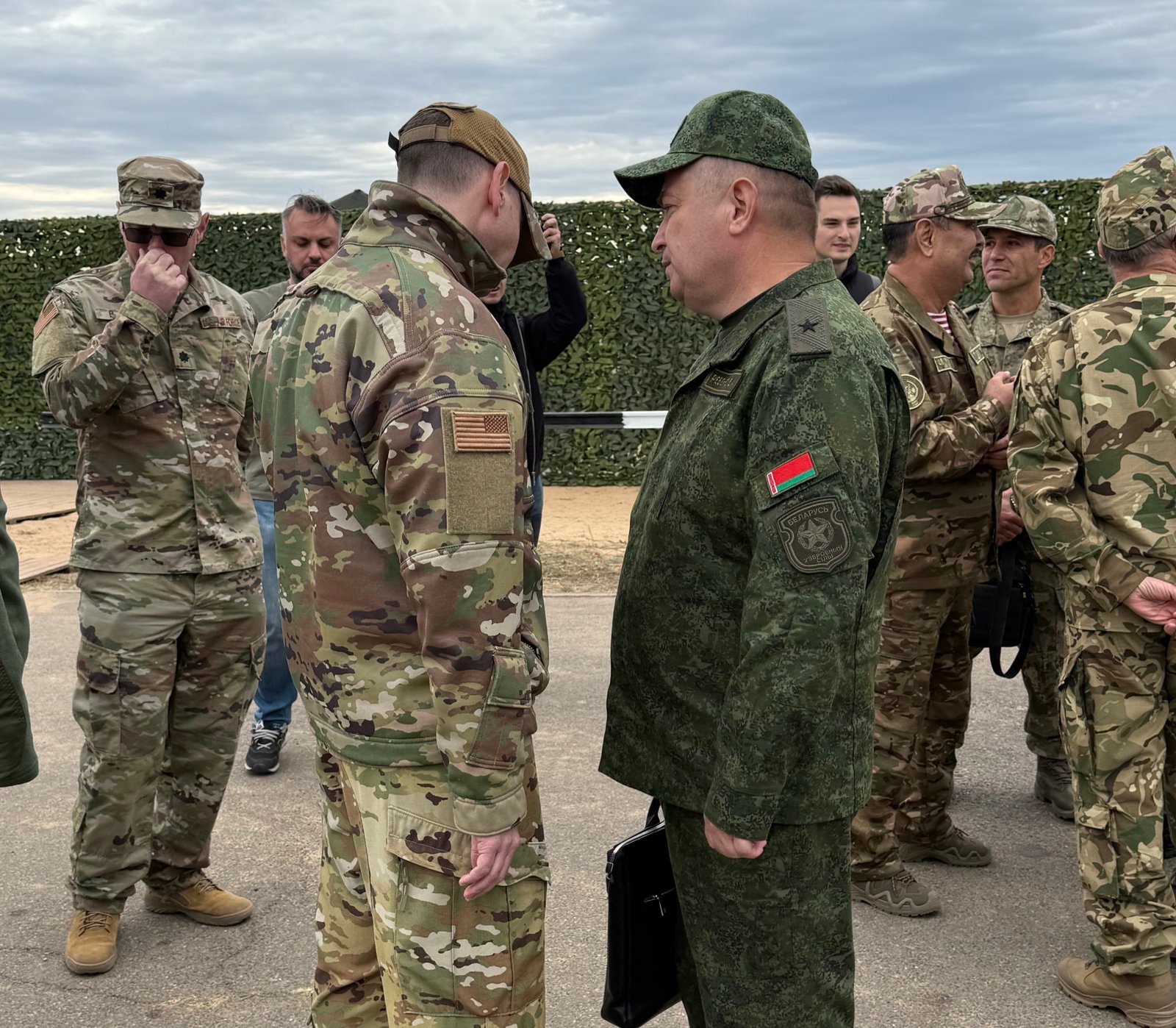


New Delhi, Nov 8 – A 2021 photo of a Pakistani intelligence chief sharing tea with Taliban leaders in Kabul has resurfaced in Pakistan’s political circles, prompting questions about why Pakistan‑Afghanistan ties have slipped in recent weeks.
The image, which showed former ISI chief Lt. Gen. (Retd.) Faiz Hameed at a table with senior Taliban figures, spread quickly after the Taliban retook Kabul in August 2021. At that time, Imran Khan was Pakistan’s prime minister. Some saw the picture as proof that Islamabad had finally opened a diplomatic line with the new Afghan rulers, while others worried it might have opened doors to unintended consequences.
Deputy Prime Minister Ishaq Dar, who also serves as foreign minister, used the photo as a focal point in a recent Senate speech. Dar accused the Imran Khan‑led Pakistan Tehreek‑e‑Insaf (PTI) government of damaging relations with Afghanistan. He described the “cup of tea” in Kabul as a costly mistake, now blames Pakistan’s diplomatic outreach on the past. Other senior officials—including defence minister Khwaja Asif and party spokespersons—have echoed that view, calling the 2021 meeting a strategic blunder.
Politics in Pakistan often mirror ethnic lines, and some commentators stress that Imran Khan’s Pashtun background may have influenced his approach to the Taliban. They argue that the PTI’s outreach is tied to a perceived Pashtun solidarity that may have softened Pakistan’s stance toward Afghan militants. But most experts warn that this is only part of the story.
Pakistan has a long history of balancing relationships with Afghan insurgent groups. During the Soviet‑Afghan war, the ISI supported Mujaheddin fighters with covert CIA help. After the Cold War, Pakistan continued to back groups such as the Taliban and Tehrik‑e‑Taliban Pakistan (TTP) because they offered strategic depth and intelligence advantages on Pakistan’s eastern front. Even after the U.S. withdrawal and the high‑profile operation that killed Osama bin Laden, the country kept ties—albeit public and sometimes secret— with Afghan actors to maintain influence and prevent rivals from gaining a foothold on its borders.


The Taliban regrouped in Afghanistan after the U.S. left in 2021, re‑igniting Pakistan’s dilemma: should Islamabad normalise with the new Afghan government, or use military pressure to curb militant groups that threaten the Pakistani state? Critics say the surge in cross‑border attacks from returning militants—particularly the TTP and Balochistan Liberation Army (BLA)—changed the security calculus dramatically. The 2021 tea‑shop meeting is now seen by many as an early, hasty step that gave the Taliban the leverage Pakistan needed to push against its own security interests.
In simple terms, Pakistan’s support for the Taliban was a calculated gamble aimed at keeping a strategic ally in Kabul. The gamble paid off by giving Islamabad a foot in the door, but it also allowed Taliban commanders to use Afghan territory as a safe haven for operations targeting Pakistan. After 2021, militants crossed into Pakistan more frequently, striking civilian and military targets alike. The resulting insecurity made the Pakistani establishment question whether early outreach had truly benefited the country.
The divide in opinion remains: one camp views the 2021 visit as a clear mistake that hurt Pakistan’s security; the other sees it as a rational, real‑politik move that should be judged within its broader context. Either way, the photo is now a symbol used by politicians to frame the narrative of Pakistan‑Afghanistan tension.
The debate reflects deeper issues. Pakistan’s approach to Afghanistan has always been pragmatic, often driven by national security and regional power dynamics. As the country faces increasing militant pressure, policymakers must weigh the benefits of dialogue against the risks of allowing extremist groups to gain a foothold. The 2021 tea‑shop photo may just be a flashpoint, but it signals a larger shift in how Islamabad views its relationship with Kabul—a relationship that is as old as the two states themselves.
Source: ianslive
Stay informed on all the latest news, real-time breaking news updates, and follow all the important headlines in world News on Latest NewsX. Follow us on social media Facebook, Twitter(X), Gettr and subscribe our Youtube Channel.