

Dhaka, 2025 – Bangladesh’s political future was reshaped in July 2024 when citizens rose in defiance against Prime Minister Sheikh Hasina’s 15‑year rule. The protests toppled the Awami League and ushered in an interim administration that has already begun to change the country’s foreign policy and domestic politics.
### A sudden shift in power
The July uprising was sparked by widespread anger over alleged corruption, weak governance, and the government’s crackdown on dissent. Voters rejected Hasina in the January 2024 parliamentary election, but her rivals kept the focus on India, claiming the new Delhi government had helped her win. They accused Indian officials of meddling in Bangladesh’s affairs, even calling Hasina a “traitor who sold Bangladesh’s democracy to New Delhi.”
The “India‑Out” campaign that followed mirrored a similar movement in the Maldives in 2023, but it quickly lost traction. Most Bangladeshi voters still see India as an important neighbor, and bilateral ties did not collapse during the uprising.
### A new foreign‑policy direction
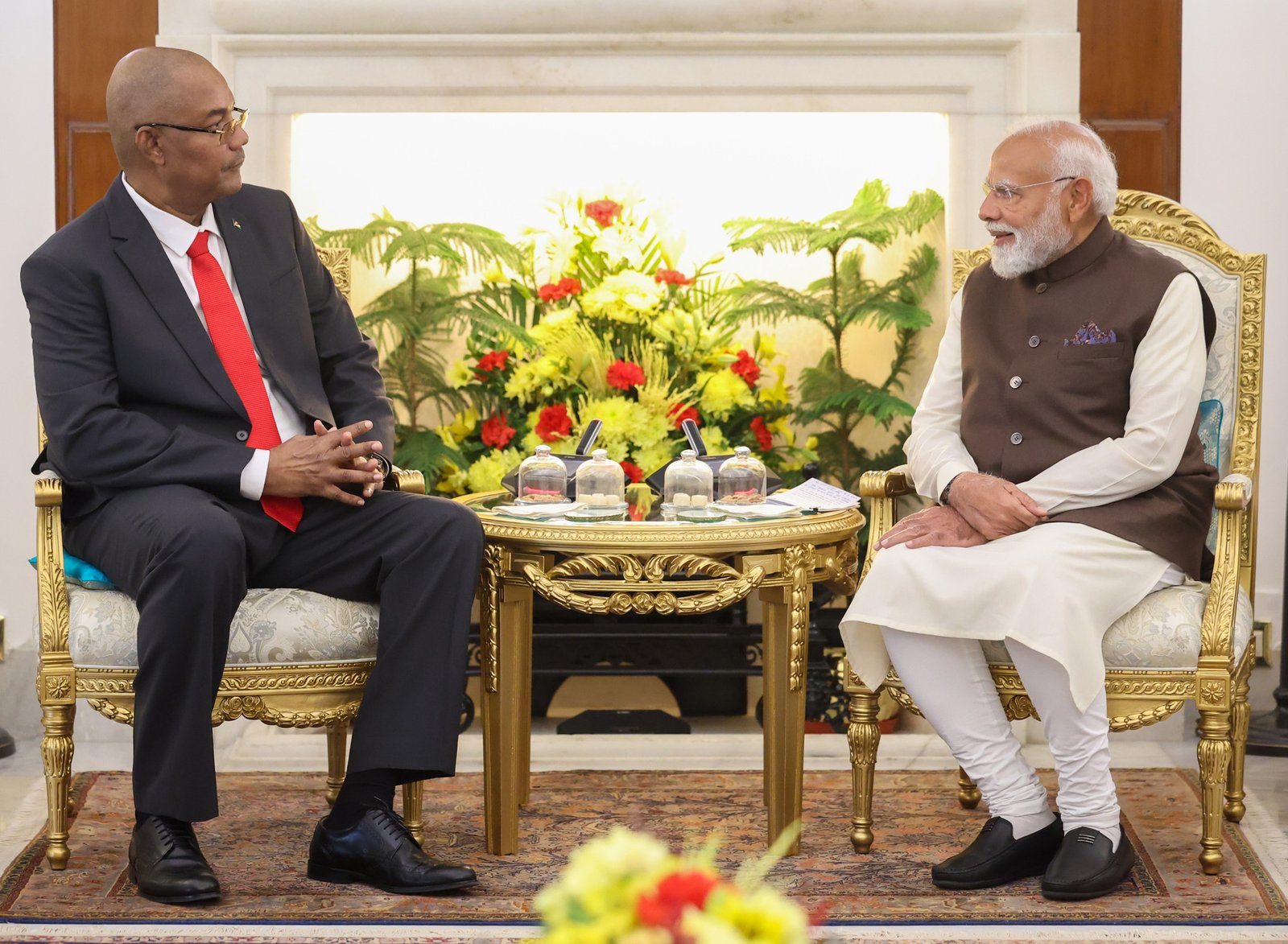



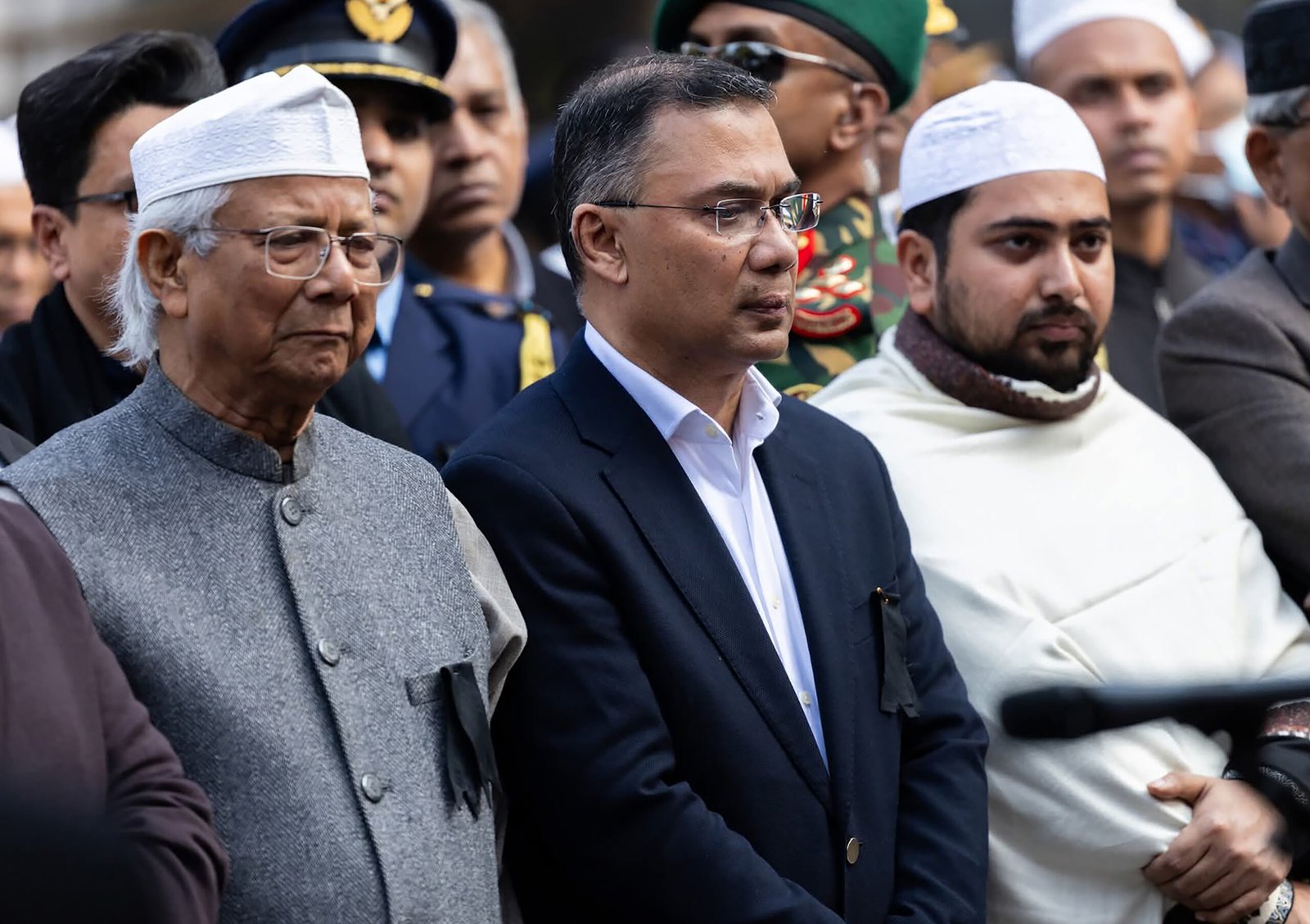
The interim coalition, led by former banker Muhammad Yunus, has turned away from India and is making a concerted effort to restore ties with Pakistan. Yunus has openly criticized New Delhi, calling Bangladesh the sole guardian of the Bay of Bengal for India’s landlocked northeast regions, and insisting that India “disliked” the protests that ousted Hasina. At the United Nations General Assembly in September he warned that SAARC was at risk of collapse because of one‑country dominance—his indirect jab at New Delhi.
India, meanwhile, kept diplomatic channels open. It monitored the situation closely, focused on protecting Indian nationals, especially students, and took steps to prevent border breaches. New Delhi’s stance remained one of non‑interference in another country’s domestic politics.
### Law and order crash‑course
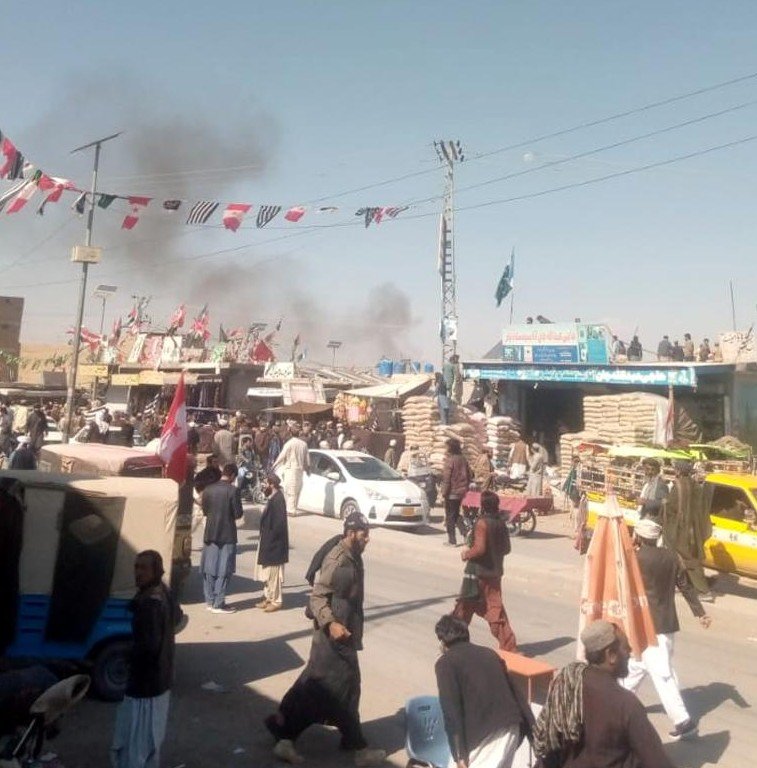
Since the July uprising, Bangladesh has faced a dramatic rise in violence. Gender‑based attacks, communal clashes, and ethnic strife have overwhelmed the police and military. The interim government’s response has been inconsistent. While it condemned the demolition of Sheikh Mujibur Rahman’s private house in 32 Dhanmondi—a symbolic site of Bangladesh’s founding father—many critics say it failed to curb mob violence, vandalism, and the destruction of Mujib’s murals.
The government’s narrative is that this chaos is a result of foreign interference—chiefly India—rather than shortcomings in law‑enforcement or political mismanagement. This blaming game echoes earlier accusations that the previous regime had attracted outside support to destabilize the country.
### Media, speeches and the “free‑election” debate
The interim administration has protested against Indian and international media outlets that aired Sheikh Hasina’s interviews. It argues that her remarks were personal and not official policy. In contrast, Western governments—such as the United States and the United Kingdom—have repeatedly encouraged a free, fair, and inclusive election in Bangladesh. The interim government dismisses such foreign commentary as unwarranted meddling.
This policy stance conflicts with Bangladesh’s own advisory that has banned the Awami League from contesting national elections, triggering counter‑protests from party activists. The debate underscores the volatile political climate in Dhaka.
### Re‑examining history
The unrest has also sparked a wave of historical revisionism. In a recent attack on an Awami League office in Gulistan, attackers destroyed a sculpture depicting Pakistan’s surrender to India in 1971. A video of the vandalism circulated online, with a protester saying the image “might return to claim its place” if left untouched. Behind the scenes, the interim government is reportedly revising textbooks to downplay India’s role in the 1971 Liberation War, echoing Pakistan’s own efforts to rewrite history.
### Looking ahead
Bangladesh’s future hinges on how the interim government balances internal security, democratic governance, and foreign relations. President Yunus’s anti‑India rhetoric may rally domestic support, but it risks isolating Bangladesh from a key regional partner and heightening tensions with Pakistan. Transparency, accountability, and a clear plan to restore law and order will be crucial for a stable transition.
While the country mourns the loss of older generation leaders, it must confront new challenges. The ultimate test will be whether Bangladesh can rebuild trust in its institutions, welcome foreign investment, and re‑affirm its commitment to freedom of expression and inclusive politics.
Stay informed on all the latest news, real-time breaking news updates, and follow all the important headlines in world News on Latest NewsX. Follow us on social media Facebook, Twitter(X), Gettr and subscribe our Youtube Channel.