GST 2.0, rising rural incomes, easing inflation may spark big consumption revival in India: Report


Exciting Times Ahead for India’s Economy: GST Reforms and Rising Consumer Spending
India’s economy could soon get a big boost, thanks to upcoming GST reforms, rising rural incomes, and easing inflation, according to a new report. These changes suggest that India’s long-slowing consumption story may start picking up pace again, bringing benefits for consumers and businesses alike.
The report from Wright Research, a trusted investment analysis firm, says that India’s consumption cycle, which has been weak for the past few years, seems to have hit its bottom and is now headed upwards. If the GST 2.0 reforms are rolled out in October—just before the festive season—this could lead to lower prices, increased demand, and more household spending.
What changes can we expect? Goods that are currently taxed at 12 per cent, like processed foods, affordable shoes, and wellness products, might see their GST drop to just 5 per cent. This would make everyday essentials cheaper, encouraging people to buy more branded products instead of unbranded ones.
For big-ticket items like air conditioners and large TVs, GST could decrease from 28 per cent to 18 per cent. That’s almost 8 per cent lower prices, which could help boost sales especially in smaller cities like Tier-2 and Tier-3 towns. Additionally, the cost of cement, currently taxed at 28 per cent, may also be reduced, helping both home builders and large construction projects save money.
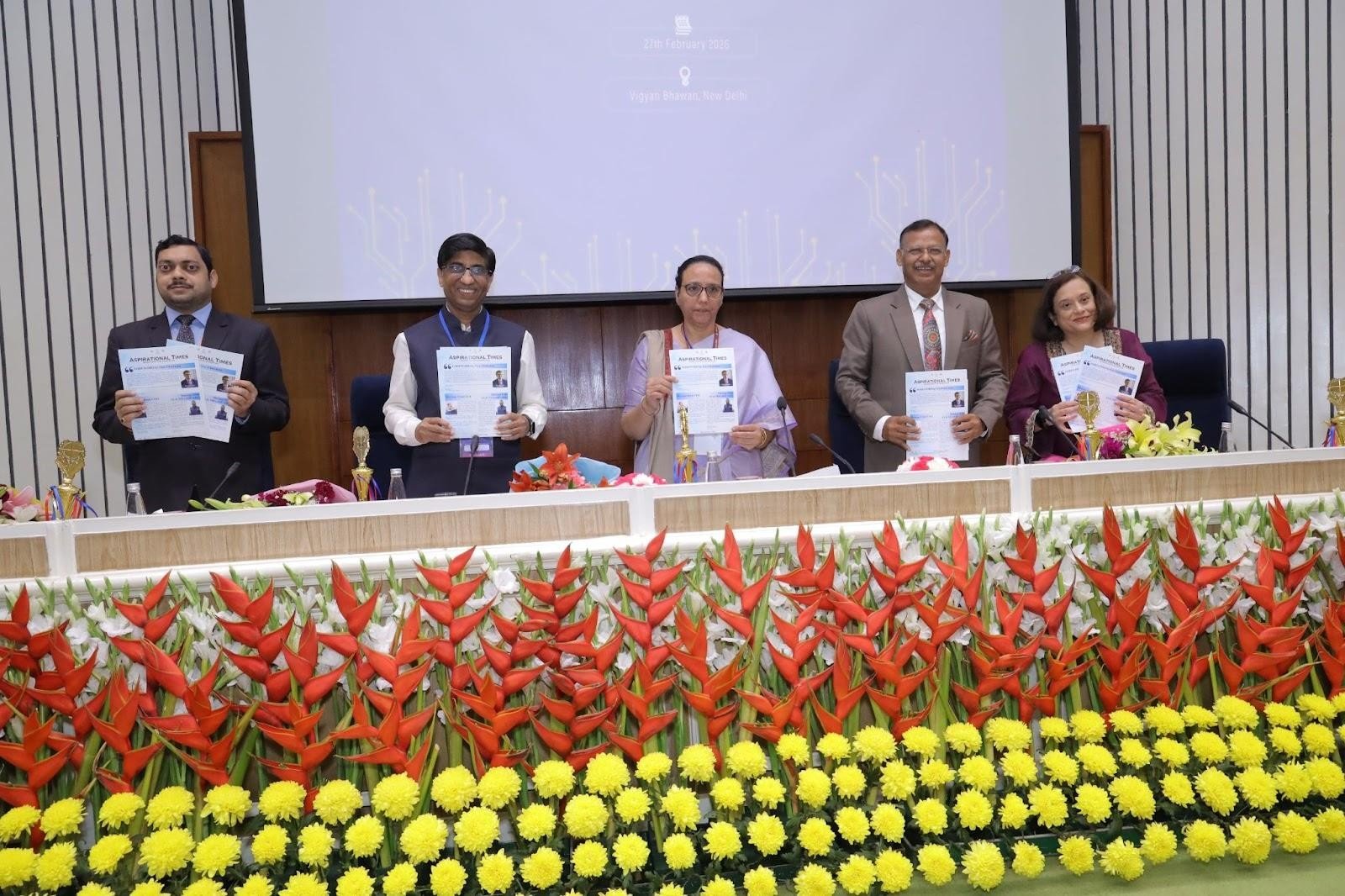



Sonam Srivastava, Founder of Wright Research, explains, “GST 2.0 is one of the most pro-consumption reforms in recent years. By lowering prices on everyday products and major durables, it could really energize consumer demand, especially as rural incomes and inflation trends become more favorable.”
The outlook looks promising across different sectors. Fast-moving consumer goods (FMCG) companies are expected to see nearly 10 per cent revenue growth in FY26. Consumer durables could grow even faster—more than 21 per cent—if reforms are implemented quickly. Cement companies stand to benefit the most, with profit margins expected to jump by over 40 per cent and profits increasing by around 80 per cent.
Internet platforms are also set to grow significantly, with revenues projected to rise by 35-40 per cent as small businesses and MSMEs adopt more digital tools. Meanwhile, oil marketing companies may see better cash flows thanks to falling crude oil prices.
Signs of recovery are already visible. FMCG brands, quick-service restaurants, and paint companies reported increased sales in the first quarter of FY26. Retailers in smaller towns are experiencing faster sales growth too, indicating a widespread revival in consumer activity.
All in all, India appears to be on the cusp of a consumption revival, fueled by smart GST reforms and rising incomes. This could mean better days for consumers and a stronger economy in the months ahead.