Union Minister Jitendra Singh appeals to uphold Central Adminstrative Tribunal’s basic original mandate

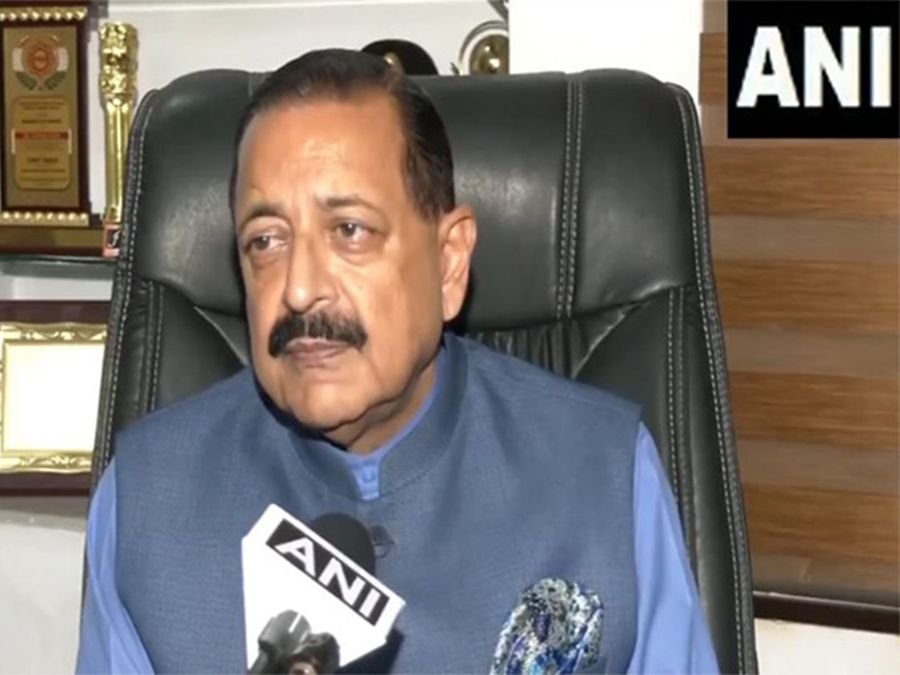
(source : ANI) ( Photo Credit : ani)
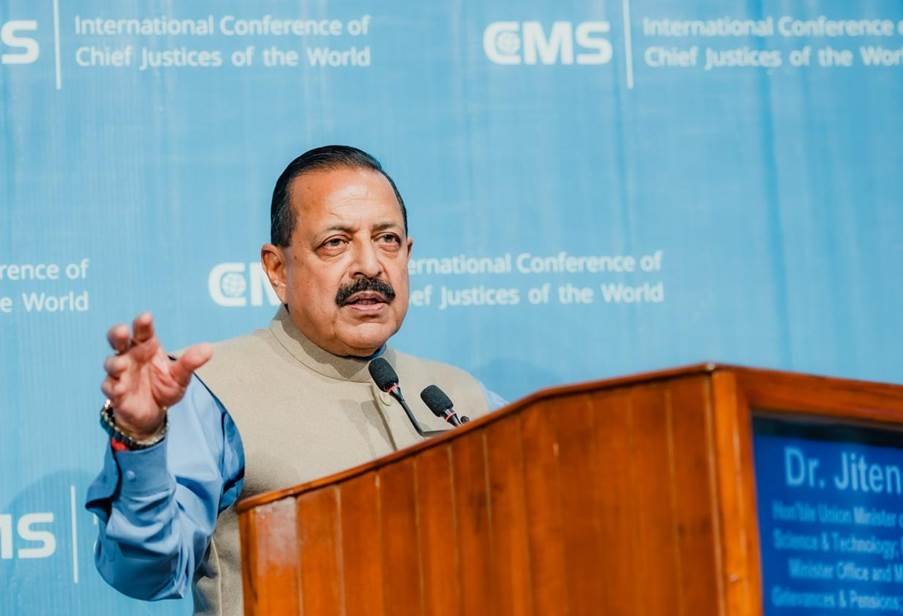
Union Minister Jitendra Singh called on officials and judges to step up efforts that help the Central Administrative Tribunal (CAT) tackle its core goal: cutting down the pile-up of service-related cases in India’s higher courts. Speaking at the 10th All India Conference of the Central Administrative Tribunal in New Delhi, Singh stressed the importance of avoiding unnecessary appeals to High Courts. He explained that CAT, established in 1985 under Article 323-A of the Constitution, aims to deliver speedy and affordable justice for government employees and pensioners, easing the load on busy High Courts.
Singh urged members of the judiciary to voluntarily join CAT benches to boost the administration of justice. He pointed out that past reluctance has led to changes, like allowing administrative members to lead benches when judicial ones aren’t available. Under Prime Minister Narendra Modi’s government, Singh noted, all CAT vacancies are now filled, letting the tribunal operate at full capacity. The next big push? Clearing pending cases on a strict timeline and rolling out modern case management tools.
Technology is transforming the judiciary, Singh said, with advances in e-filing, digital records, and virtual hearings keeping things moving even during the COVID-19 pandemic. Looking ahead, he highlighted plans for AI-powered systems to speed up case handling and ensure fair decisions, all while protecting judicial independence. To drive improvements, Singh suggested benchmarking performance across CAT benches—tracking things like case disposal rates, backlog reduction, tech adoption, and user satisfaction. This could spark the sharing of best practices and build more trust in the system.
The government is backing CAT with better infrastructure too, including dedicated spaces for most benches and ongoing boosts to staff and facilities. Singh wrapped up by saying that while resources and tech come from the top, true success depends on the integrity and dedication of those delivering justice.
Chief Justice of India B.R. Gavai kicked off the conference by praising CAT’s key role in making justice more accessible and lightening the burden on higher courts. He recommended that government departments create special offices to review cases before pushing for more litigation. Gavai also pushed for AI to help sort cases, translate judgments into various languages, and build a National Database for Tribunals.


In his welcome speech, CAT Chairman Justice Ranjit More highlighted the tribunal’s unique spot in India’s legal system, separate from regular courts. He recapped the Administrative Tribunals Act of 1985 and CAT’s expansion, now with benches and circuit houses nationwide to bring justice closer to people.
Union Law Minister Arjun Ram Meghwal agreed that CAT’s rulings are solid but warned that endless appeals from both sides slow everything down. He called for stronger digital case management and greater transparency to modernize the process.
Attorney General R. Venkataramani looked back at CAT’s growth into a trusted body and emphasized hiring top talent for its success. He also advocated for more training workshops to build skills among tribunal members.
The conference drew top legal figures, including Supreme Court Justices J.K. Maheshwari, Satish Chandra Sharma, Prasanna B. Varale, and Vijay Bishnoi, along with High Court judges, senior government officials, bar council members, and legal experts.
Stay informed on all the latest news, real-time breaking news updates, and follow all the important headlines in world News on Latest NewsX. Follow us on social media Facebook, Twitter(X), Gettr and subscribe our Youtube Channel.