

Pakistan Begins Detaining Afghan Migrants as Residency Permits Expire
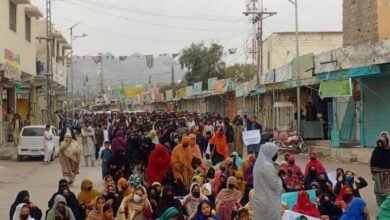
Pakistan has started arresting Afghan migrants after their residency permits expired earlier this week. This move has caused large crowds and congestion at border crossings like Torkham, where many Afghans are trying to leave Pakistan quickly.
The Pakistani government’s Interior Ministry has ordered authorities to detain and deport Afghan nationals whose Proof of Registration (PoR) cards are no longer valid. Pakistani law enforcement agencies are closely monitoring the situation and providing daily updates on the number of Afghan migrants being detained. Police teams are actively searching for undocumented Afghan migrants, with efforts ongoing in cities like Rawalpindi. So far, several Afghans have been arrested in these crackdown operations.
Pakistan is working to deport around 1.4 million Afghans who hold PoR cards, despite concerns from international organizations. Besides PoR holders, about 800,000 Afghans living in Pakistan without legal documents are also facing potential deportation. The government’s decisions come amid growing worries about overcrowded border areas, especially at Torkham, where reports say thousands of migrants are trying to cross the border to return home.
Humanitarian groups warn that mass deportations can be risky for Afghan families. They could face financial hardships, social instability, and even exploitation along the border. Many international agencies have called on Pakistan and Afghanistan to work together and ensure that migrants are treated humanely and safely during the process.

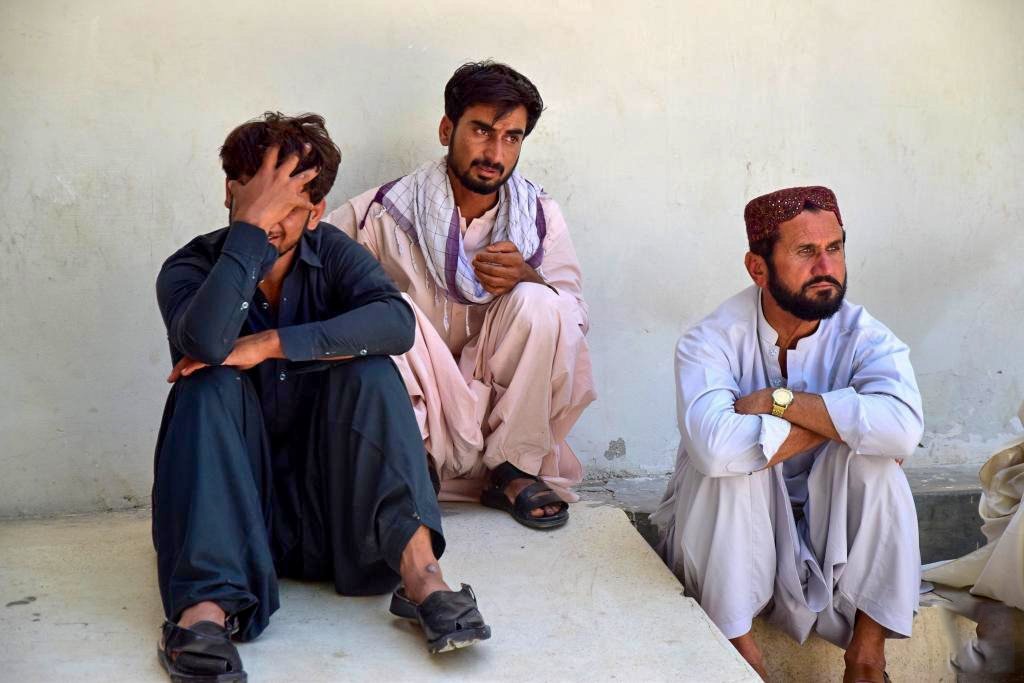


Earlier in August, Pakistan announced that starting September 1, it would begin returning Afghan nationals holding PoR cards who do not choose to leave voluntarily. This decision was made during a high-level security meeting, as the government cited rising security concerns and limited resources. Pakistan also plans to cooperate with international organizations like the United Nations High Commissioner for Refugees (UNHCR) and the Taliban-led Afghan interim government to manage this process smoothly.
As tensions rise at the border and deportations continue, experts stress the importance of handling the situation carefully, with a focus on safety and humanitarian needs for Afghan migrants living in Pakistan.