
IANS Year Ender 2025: How Pakistan tried to revive homegrown terror in India and failed

New Delhi, Dec 27 (IANS) – According to recent reports, the collapse of the Indian Mujahideen—an organization said to be backed by Pakistan yet staffed solely by Indian nationals—has reportedly marked the end of so‑called “homegrown terror” in the country. The narrative presented by those alleging the group’s existence was that Indian‑based militants were the true source of terror in India, a stance that would shift blame away from Pakistani support.
Shift in the focus of terrorism
Since the 2014 breakup of the Indian Mujahideen, most terrorist incidents that have come to light have been concentrated in Jammu and Kashmir. Analysts note that Pakistani actors appear to have been involved in most of these events, raising concerns about a possible shift in strategy.
Rise of The Resistance Front
In recent years, Pakistan has faced heightened international scrutiny, with economic turmoil discouraging another investigation by the Financial Action Task Force (FATF). According to sources, the Pakistani government reportedly created “The Resistance Front” (TRF) in Jammu and Kashmir, purporting to be a homegrown terror cell. The Pahalgam attack, initially claimed by the TRF, was later revealed to have involved Pakistani nationals, exposing the group’s façade.

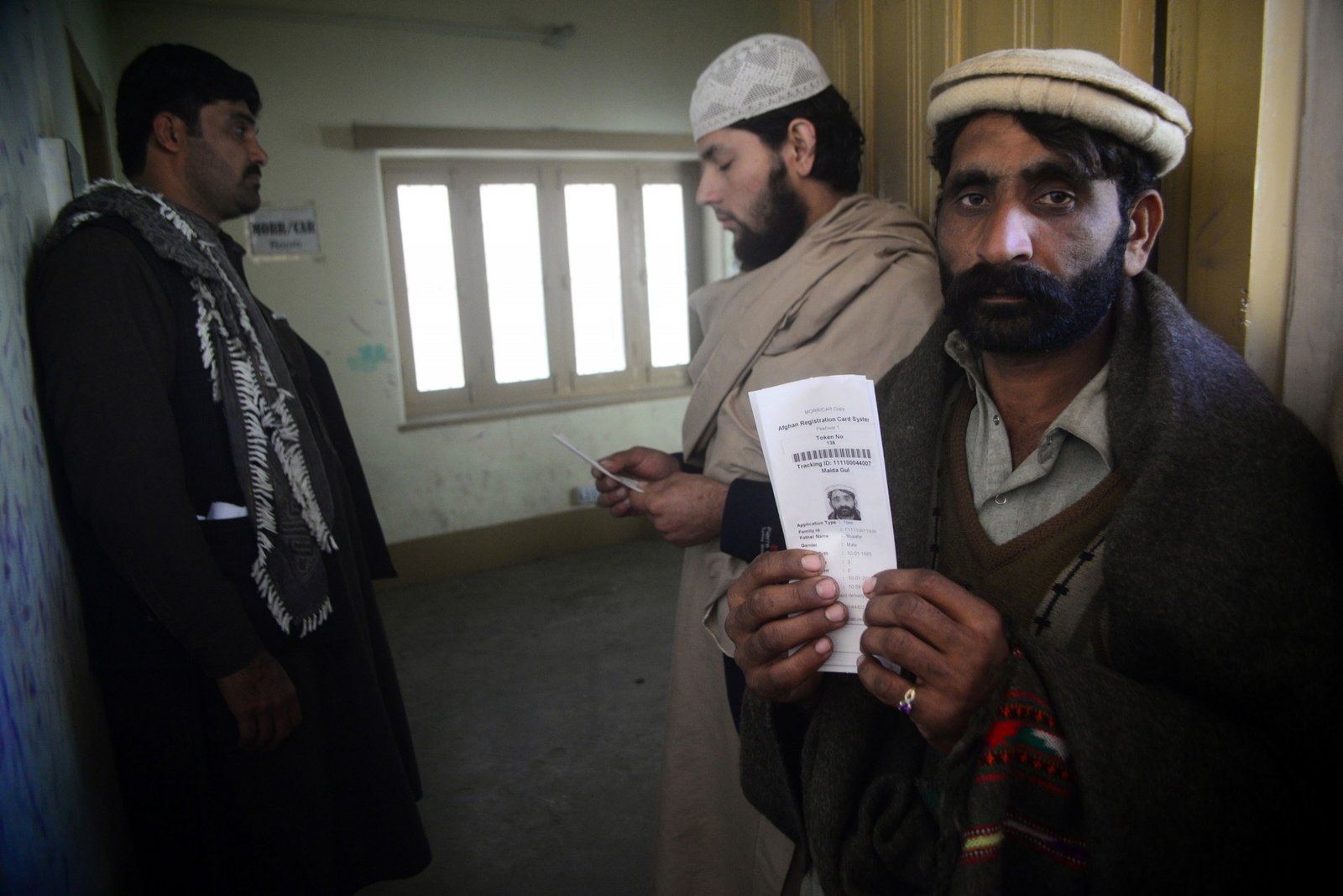
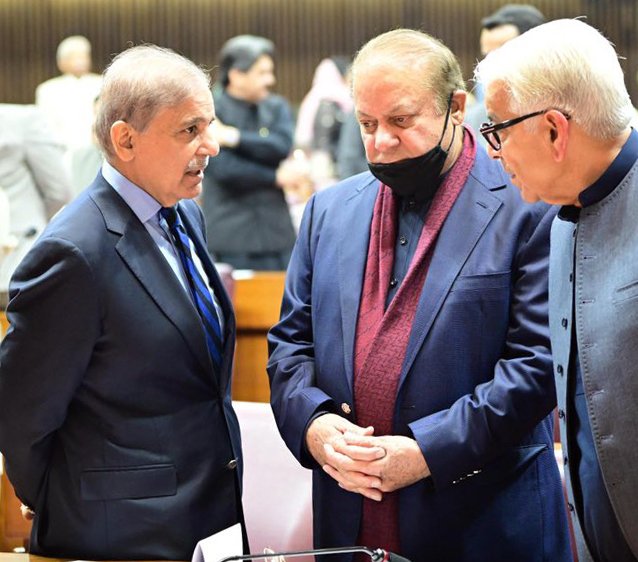
After the Pahalgam incident and a subsequent operation by the Indian Armed Forces—officially dubbed Operation Sindoor—the TRF reportedly fell silent. It is understood that Pakistan sought a fresh homegrown group to operate outside Jammu and Kashmir and turned to a long‑running program dubbed the Faridabad module, which had been evolving since the abrogation of Article 370.
Discovery of the Faridabad module
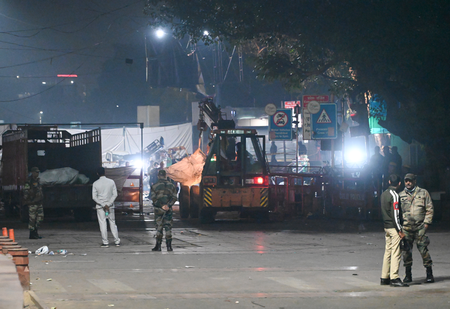
The module was reportedly uncovered in November 2025. A police investigation that followed traced a deadly trail that eventually culminated in an explosive attack near Delhi’s Red Fort, where thirteen people lost their lives. The police identified the assailant as Dr. Umar Mohammad, a resident of Pulwama. Concurrently, authorities seized 2,900 kg of ammonium nitrate, and evidence suggested that many of the module’s members, ostensibly involved in medicine, were linked to Al‑Falah University in Faridabad.
Investigators say the Faridabad group drew inspiration from the Jaish‑e‑Mohammad (JeM) and appeared to plan several blasts across Delhi and its environs.
Connections to higher‑level actors
Reports indicated that Mufti Irfan Ahmed—a figure from Jammu and Kashmir with close ties to JeM—recruited and managed the module, allegedly keeping his Pakistani connections hidden to make the operation appear entirely homegrown. Law enforcement learned of the group when JeM‑supporting posters appeared in the region, eventually leading them to Ahmed and the eventual takedown of the Faridabad module.
Strategic motives, according to analysts
According to intelligence assessments, Pakistan’s move to create a domestic‑appearing terror cell stemmed from difficulty in infiltrating operatives across the Line of Control (LoC). The strategy aimed to divert security forces away from Jammu and Kashmir while enabling covert incursions from Pakistan‑occupied Kashmir (PoK). A parallel effort sought to mimic the Indian Mujahideen’s approach, thereby keeping security systems on high alert while preserving deniability.
Sources say the Pakistani intelligence agency limited contact with the module’s handlers to maintain secrecy and allowed the operation to project an image that residents of Jammu and Kashmir opposed the abrogation of Article 370.
Future prospects and concerns
The intelligence community has reportedly learned that Pakistan is working to establish similar modules nationwide, hoping to perpetuate periodic attacks that mirror those once carried out by the Indian Mujahideen—without leaving an obvious trail back to Pakistan.
While analysts argue that the fall of the Faridabad module in November 2025 averted a potentially catastrophic incident, authorities caution that the strategy remains a looming threat, especially if the country can once again divert security forces with a new homegrown terror platform.
Reporting by: vicky/dpb
Stay informed on all the latest news, real-time breaking news updates, and follow all the important headlines in world News on Latest NewsX. Follow us on social media Facebook, Twitter(X), Gettr and subscribe our Youtube Channel.