

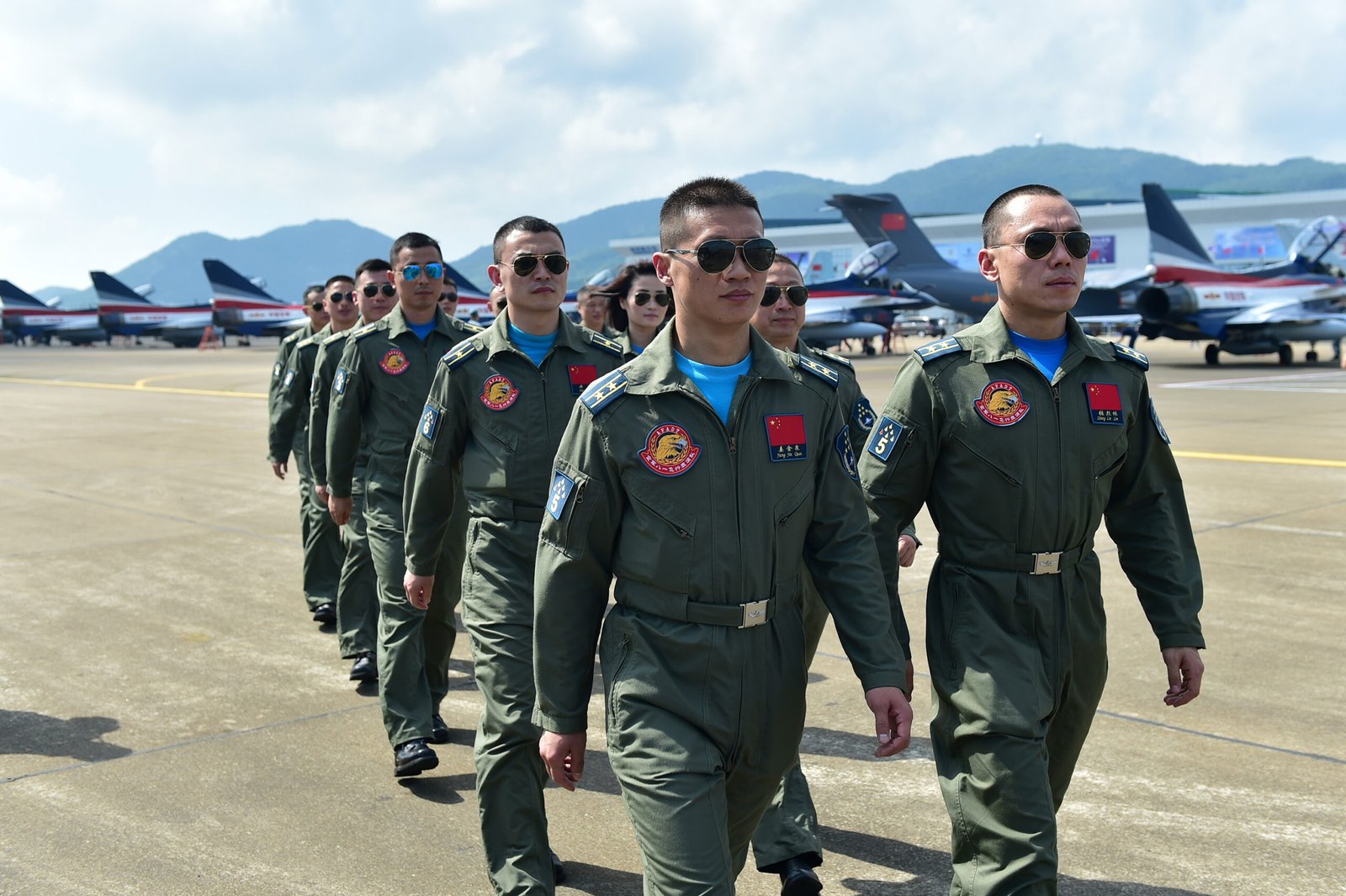
In a sector that ranks China as the world’s fourth‑largest defense exporter after the United States, Russia and France, recent export failures are casting a shadow over its military‑hardware ambitions. Reports from the field – from Pakistan’s navy to Saudi Arabia’s air‑defense teams – point to a range of problems that raise questions about the quality, reliability and after‑sales support of Chinese arms.
Export troubles hit high‑profile deals
Pakistan’s purchase of four F‑22P frigates has become a high‑profile case of disappointment. Naval officials complained that the ships’ radars lose performance at high power, engines overheat and crack bearings fail repeatedly. Beijing’s own defense contractor later admitted that faulty gimbal‑assembly motors were the root of the issue, but the company had not yet fixed or replaced the parts. As a result, the Pakistani Navy now operates the frigates with a reduced mission capability.
The JF‑17 light fighter has also run into trouble in other markets. In Myanmar and Nigeria, pilots reported groundings, structural faults, computer glitches and vibration problems that lifted the planes off the ground or kept them from flying safely. Nigeria even turned to Italy’s M‑346‑FA jets after the JF‑17’s low accuracy and limited fire‑power left the country feeling uneasy.
Saudi Arabia’s new SkyShield laser‑counter‑drone system is another setback. Operational staff in harsh desert conditions noted that the technology performed far below expectations, with a marked drop in power output and reliability. The system was meant to offer a cheap, integrated electronic‑warfare and directed‑energy solution for the kingdom, but the field data suggested the product was still in its infancy.
What’s behind the breakdowns?
A Lens Asia analysis cites several deep‑seated reasons for China’s export woes. Chronic corruption inside the People’s Liberation Army (PLA), uneven industrial capabilities, gaps in advanced materials and spare‑part shortages, and procurement misconduct all combine to undermine equipment quality. The analysis warns that these problems could slow or even block the PLA’s next modernization push.
Commentary from defense experts stresses that the lack of robust after‑sales support has eroded trust among buyers. If spare parts aren’t readily available and frontline users can’t get quick fixes, even otherwise capable systems become hard sell.
The global impact
These export failures are hurting China’s standing in key overseas markets. Buyers who once leaned on Chinese hardware are now shifting to European or American alternatives or are demanding stronger warranty guarantees. The quality concerns have prompted some friendly governments to suspend or cancel fleets entirely.
While China remains a major player in the global arms market, this series of incidents shows that maintaining reputation, rigorous testing and reliable support are as important as cutting‑edge technology. As the country works to rebuild confidence, its future exports will hinge on proving that its equipment can perform reliably when it matters most.
Source: ianslive
Stay informed on all the latest news, real-time breaking news updates, and follow all the important headlines in world News on Latest NewsX. Follow us on social media Facebook, Twitter(X), Gettr and subscribe our Youtube Channel.