Priyanka Chopra wishes her parents on their anniversary, says ‘Today and always in my heart’

Mumbai, Feb 19 (LatestNewsX): Actress Priyanka Chopra Jonas on Thursday took to her social media account to wish her parents on their wedding anniversary and also remembered her late father with an emotional tribute.
Sharing a heartfelt post on her social media, Priyanka wrote, “Happy anniversaryToday and always in my heart @drmadhuakhorichopra”
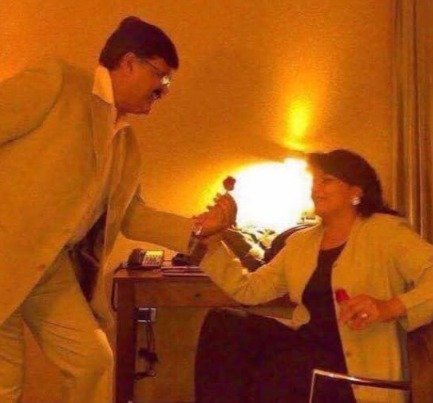
The picture shared by Priyanka captures a beautiful moment between her parents, late Dr. Ashok Chopra and Dr. Madhu Chopra. Her father is seen leaning forward towards her mother with a rose in his hand, smiling warmly looking at her while she took reciprocates the same warmth.
On the occasion, Dr. Madhu Chopra also remembered her late husband and shared a series of throwback pictures on her social media account. One picture shows her seated with her husband on seaside rocks with waves rolling in behind them.
Another picture captures them posing near a lighthouse and a beautiful house in the backdrop. A third click shows them smiling in a garden setting, and the last one features them dressed formally at a social gathering. Dr. Madhu Chopra captioned the post as, “miss you, today and everyday.”


For the uninitiated, both of Priyanka’s parents served as medical professionals in the Indian Army. Dr. Ashok Chopra passed away on June 10, 2013, after battling cancer.
Priyanka has often spoken about how close she was to her father all throughout her life. She even has a “Daddy’s lil girl” tattoo inked on her wrist in his handwriting.
During her wedding to Nick Jonas on 2018, she had embroidered her father’s name on her wedding gown as a tribute to him and to make him a part of her special day.
In many of her earlier interviews, Priyanka has revealed that her father’s favourite film of hers was “Barfi!” It was shortly after the film’s release that he passed away.
On the professional front, Priyanka is gearing up for her Hollywood flick The Bluff. In India, she has SS Rajamouli’s highly anticipated Varanasi that also stars South star Mahesh Babu. It is slated for a January 2027 release.
–LatestNewsX
rd/
Stay informed on all the latest news, real-time breaking news updates, and follow all the important headlines in world News on Latest NewsX. Follow us on social media Facebook, Twitter(X), Gettr and subscribe our Youtube Channel.