
(source : ANI) ( Photo Credit : ani)
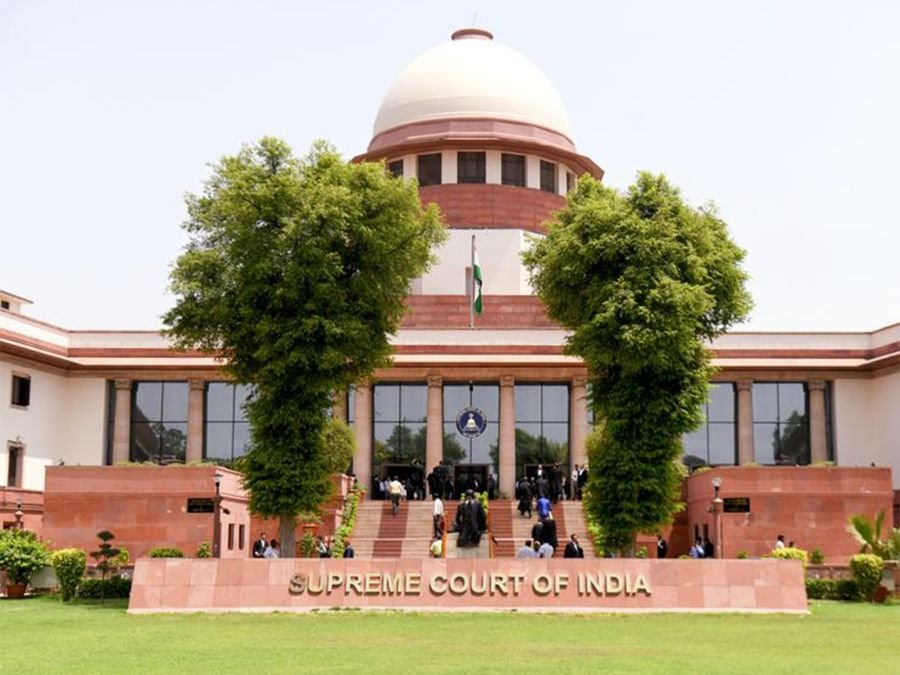
India’s Supreme Court is raising serious red flags about the growing ecological mess in the Himalayan states, especially Himachal Pradesh. The court warns that the region faces a real “existential crisis” from relentless floods and landslides that have claimed lives and wiped out thousands of homes and buildings this monsoon season.
Unusually heavy rains have battered the fragile mountain ecosystem, triggering destructive landslides across Himachal Pradesh. “Scores of people have died, and properties worth millions have been destroyed,” a bench of Justices Vikram Nath and Sandeep Mehta noted in a recent order. They pointed the finger squarely at human actions—like building hydropower projects, expanding four-lane highways, cutting down forests, and putting up multi-storey buildings—as the main culprits behind these disasters, not just nature’s fury.
The court took up the issue on its own initiative earlier, highlighting how the entire Himalayan belt is vulnerable to such calamities. This year, the damage has been especially brutal. Drawing from expert reports, the judges stressed that unchecked development is fueling continuous landslides, collapsing structures, and crumbling roads.
To get answers, the Supreme Court fired off a list of tough questions to the Himachal Pradesh government. They want details on everything from climate change policies and afforestation efforts to the impact of highways, hydroelectric projects, mining operations, and tourism rules. For instance:
– How much forest land has been diverted for non-forest uses over the past 20 years, and what’s the change in tree and forest cover?
– How many trees have been cut down with permissions in the last decade, including any pending cases of illegal felling?
– What’s the status of compensatory afforestation—how many trees has the state and private companies planted to replace lost ones?
– Are there zoning laws based on seismic risks, landslide-prone areas, green cover, or eco-sensitivity to block big industrial projects?
– Details on disaster management plans, funding over 20 years, and steps to fight climate change damages.
– Info on state and national highways, including four-lane expansions, upcoming projects, and tree-felling permits for them.
– How many rivers host hydroelectric projects, when they started, and the scope of current and pending mining leases.
– Permissions granted for hotels, industries, and short-term rentals in the last 10 years, plus measures to control tourism during peak monsoon to protect the environment.



The court also asked about regulating tourist crowds to ease the strain on the ecology, while keeping tourism—a key income source—as sustainable as possible.
This isn’t the first time the top court has sounded the alarm. Back in July, another bench warned that Himachal Pradesh could “vanish into thin air” if things don’t change, blaming factors like deforestation and booming tourism for worsening climate change effects. They urged the central government to step in to prevent further ecological imbalance.
The bench has ordered Himachal’s Principal Secretary for Forests to submit a detailed affidavit by October 28, answering all these queries. As the Himalayan region grapples with these threats, the court’s push for accountability could spark real action on sustainable development and disaster preparedness.
Stay informed on all the latest news, real-time breaking news updates, and follow all the important headlines in world News on Latest NewsX. Follow us on social media Facebook, Twitter(X), Gettr and subscribe our Youtube Channel.