
On Saturday, Malaysian Prime Minister Anwar Ibrahim, who is currently chairing ASEAN, announced that the bloc would convene a Special ASEAN Foreign Ministers’ Meeting to tackle the escalating tensions along the Cambodia‑Thailand border. He added that the meeting would review the situation and help push for measures to calm the situation.
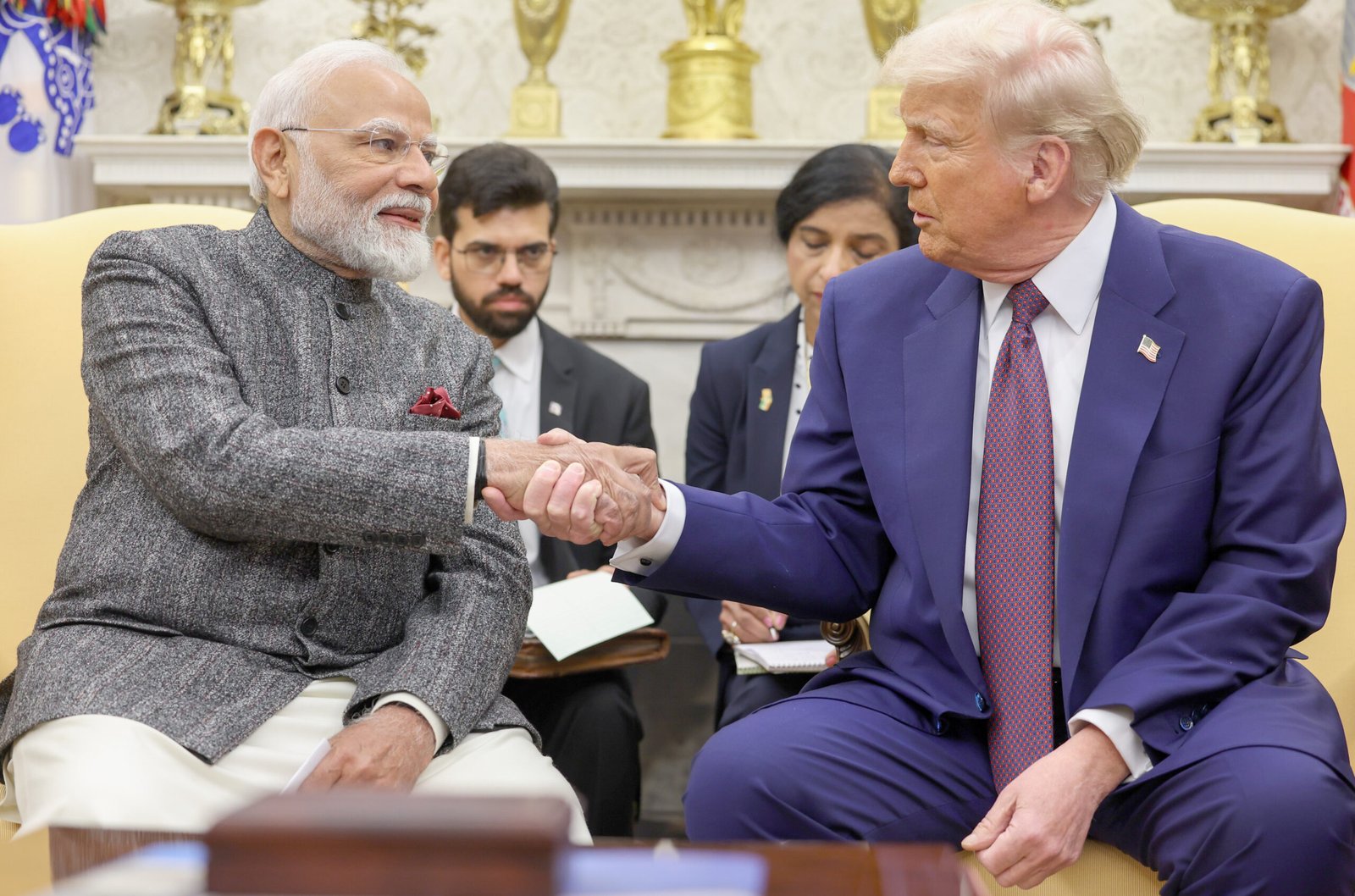
Anwar made the remarks on social media after receiving a call from former U.S. President Donald Trump. In the conversation, they covered not only the immediate conflict but also broader bilateral ties and other global concerns. According to Xinhua news agency, Anwar explained that Malaysia urges both sides to hold back, return to direct dialogue, and use ASEAN‑led mechanisms—an approach that underlines Malaysia’s readiness to back de‑escalation efforts, protect civilians, and restore regional stability in the spirit of good neighbourliness.
Meanwhile, Thailand’s caretaker prime minister Anutin Charnvirakul and Cambodian prime minister Hun Manet each spoke separately with Trump on Friday. Trump’s social‑media post claimed that the two leaders had agreed to a ceasefire effective that evening. Anutin told reporters that during the call he warned that Cambodia was the first party to violate the joint peace declaration by failing to pull its troops back, a breach that resulted in casualties and property damage on the Thai side. He said Thailand had therefore launched countermeasures to safeguard its people and property, and that any new ceasefire would require Cambodia to withdraw forces and clear landmines along the frontier.
Hun Manet, on the other hand, spoke with Anwar on Thursday and with Trump on Friday. He reaffirmed that Cambodia “has always been adhering to peaceful means for dispute resolutions, in accordance with the KL Joint Declaration.” He suggested that U.S. and Malaysian military and intelligence agencies could employ satellite imagery acquired during the same period, and for the next 24 hours thereafter, to determine who fired first.
Trump noted on social media that Thailand and Cambodia had agreed to reinstate the original peace accord he brokered earlier this year, with assistance from Malaysian Prime Minister Anwar.



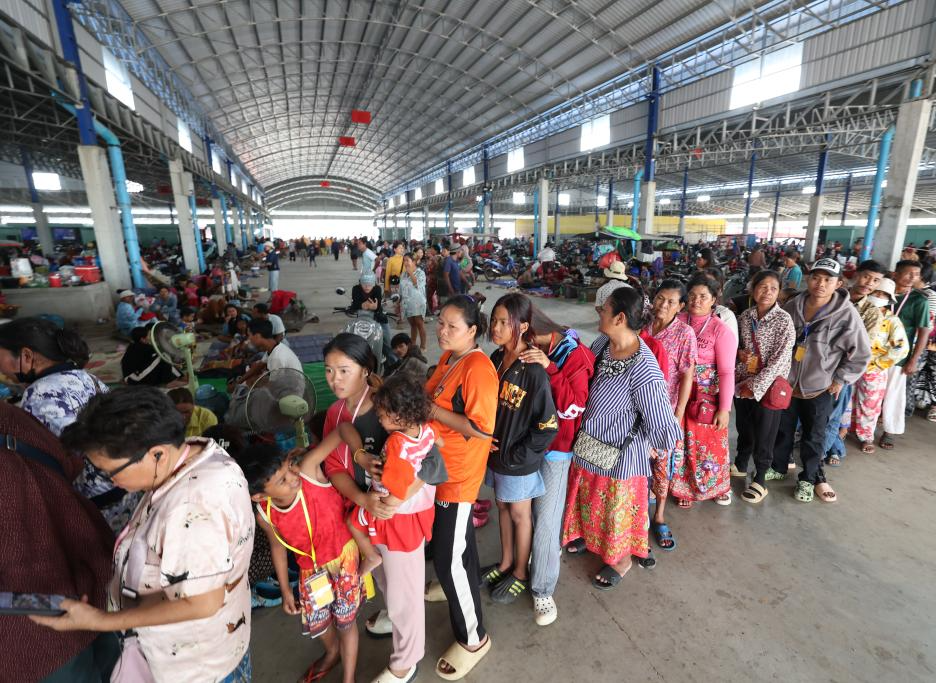
The fighting, which had flared again on the afternoon of December 7 after earlier clashes in late July, led to a steep rise in casualties and displacement. The clash in July 24 already claimed hundreds of lives, with each side accusing the other of violating international law. A ceasefire agreement followed on August 7 after an extraordinary meeting of the General Border Committee in Kuala Lumpur. Later, on October 26, the two leaders signed a joint declaration on peace beside the venue of the 47th ASEAN Summit in the Malaysian capital.
Stay informed on all the latest news, real-time breaking news updates, and follow all the important headlines in world News on Latest NewsX. Follow us on social media Facebook, Twitter(X), Gettr and subscribe our Youtube Channel.