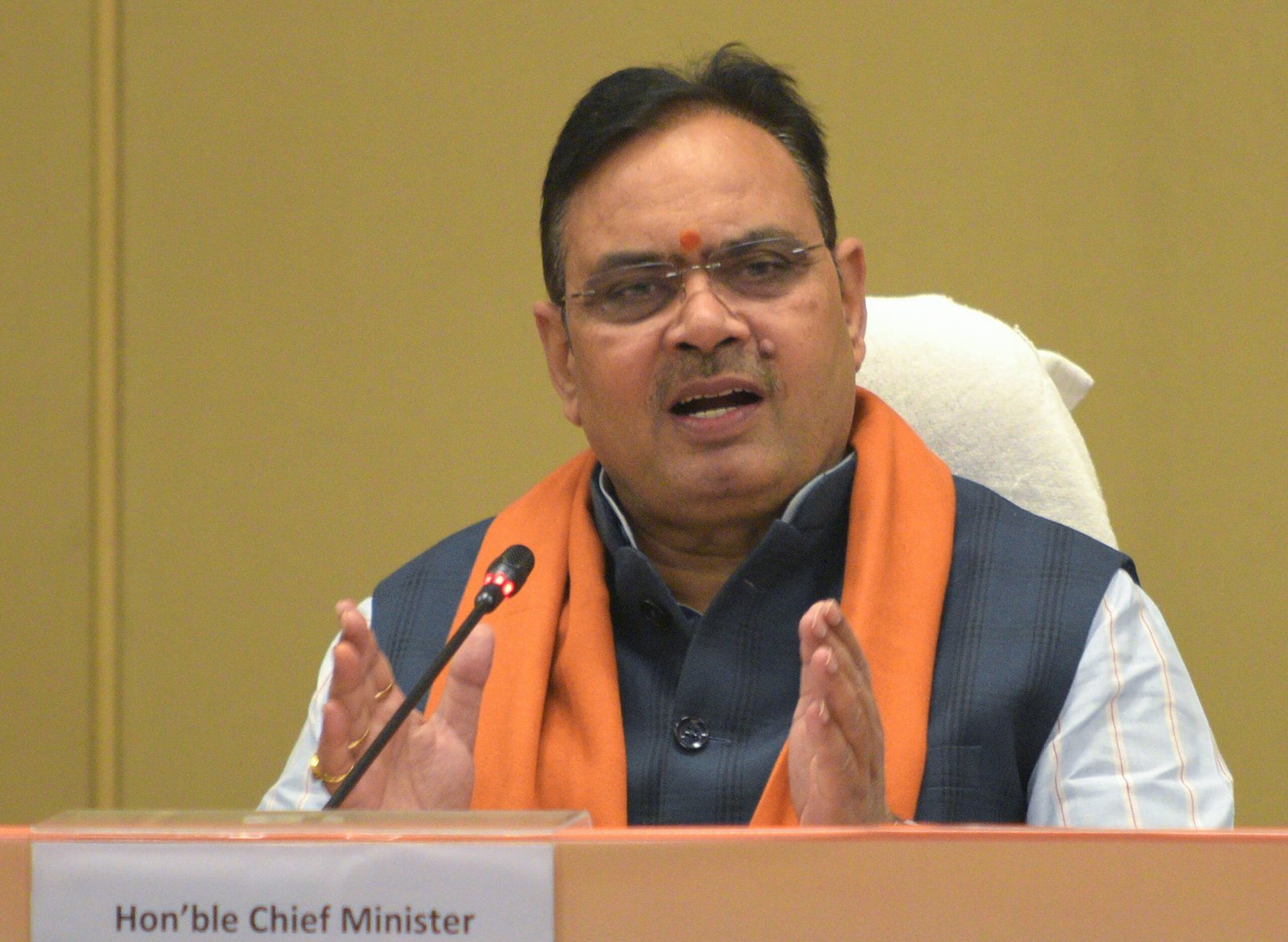

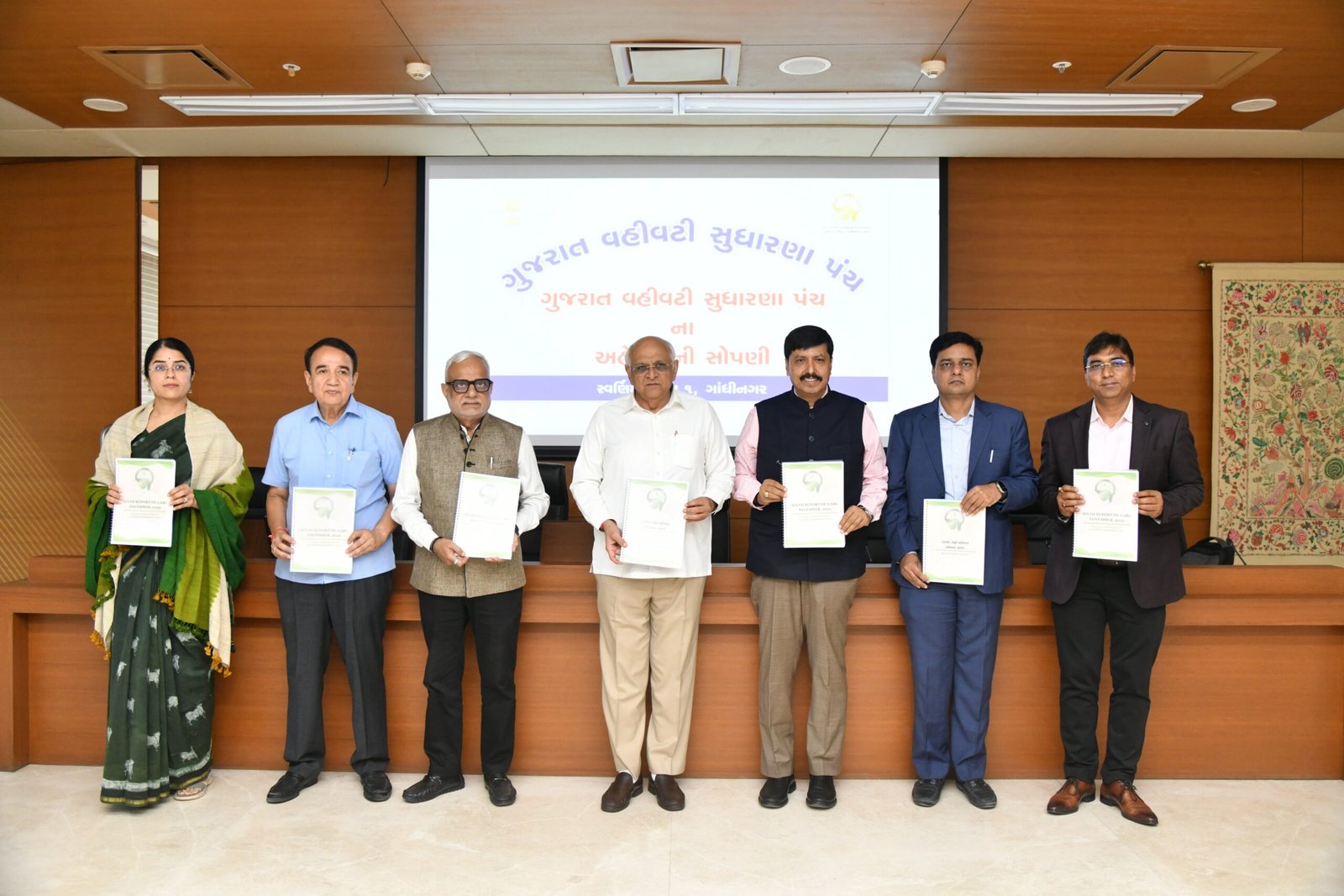
Gandhinagar, Dec 3 – The Gujarat Administrative Reforms Commission (GARC) handed its sixth report to Chief Minister Bhupendra Patel on Wednesday, urging the state to give young people more chances so they can become the “driving force” behind the ‘Viksit Gujarat’ mission.
The commission, created by the Chief Minister with Principal Advisor Dr Hasmukh Adhia at the helm, has already submitted five reports to the government. This latest submission lays out nine key recommendations that aim to speed up, modernise and youth‑centred recruitment across the state.
Key proposals include:
- Set recruitment timelines – a three‑stage process capped at 9‑12 months and a two‑stage process limited to 6‑9 months, with a goal of cutting these timelines even further in future rounds.
- Unified entrance exams – hold joint preliminary and specialised mains exams for groups sharing similar qualifications, cutting duplication and trimming costs.
- Annual requisition windows – create a central hub that oversees examinations and training, allowing every department to place job orders online during two fixed periods each year, speeding rule‑making and hiring.
- Digital document checks – move from paper to a fully‑online verification system, using an API‑linked database and a unique candidate registry similar to Digi Locker, to streamline checks between recruiters and ministries.
- Candidate dashboard – give applicants a single dashboard linked to a personal ID that shows the entire journey from application to appointment, including district‑based posting preferences.
- Integrated digital workflow – deploy a single portal that shares data across agencies, eliminating repeat paperwork and aligning with a broader ease‑of‑doing‑business agenda.
- Strengthen recruitment agencies – set up a Medical Services Recruitment Board (MSRB) for health hires, and grant the Gujarat State Service Boards (GSSSB, GPSSB, GPRB) autonomy comparable to the Gujarat Public Service Commission.
- Expand computer‑based testing – shift as many exams as possible to computers and station a dedicated Exam Monitoring Unit (EMU) at each recruitment centre to safeguard fairness.
- Long‑term planning – draft a 10‑year recruitment calendar for each department, spot urgent needs for emergency and critical roles, and bring them on board quickly.
Overall, GARC’s suggestions aim to fill vacancies within a year, ensure transparent, timely appointments, and help Gujarat realise its vision of stronger governance and richer opportunities for its young workforce.
Stay informed on all the latest news, real-time breaking news updates, and follow all the important headlines in world News on Latest NewsX. Follow us on social media Facebook, Twitter(X), Gettr and subscribe our Youtube Channel.