US policy oscillates between confrontation and conciliation, especially for India, China

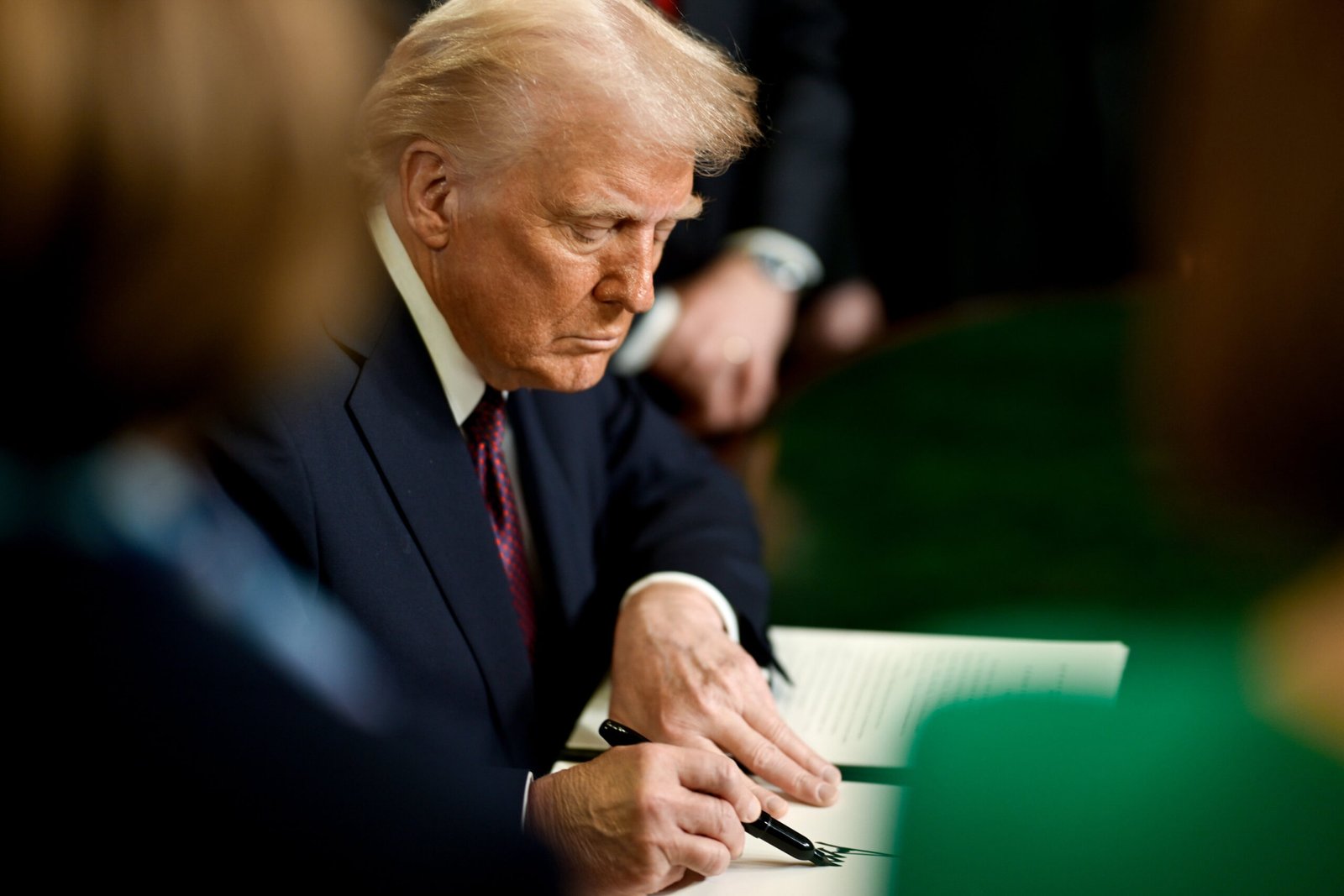
The United States has stepped up pressure on India, refusing to accept any trade that might even indirectly benefit “MAGA” interests. A retaliatory tariff has already been levied on India for buying “sanctioned” Russian oil, raising the total “reciprocal tariff” to 50 % on a range of goods.
The U.S. prefers that New Delhi purchase American oil, even if it comes at a higher price, and while it is eager to bring American farm products into India, the reciprocation has not yet been welcomed.
President Donald Trump’s main worry about Indian rice stems from claims that India is “dumping” rice into the U.S. market, undermining American farmers and driving domestic prices down. He has threatened to impose new tariffs on Indian rice exports to shield U.S. agriculture.
The term “dumping” was used to describe Indian shipments that distort competition, with U.S. rice growers alleging that imports from India, Thailand, and Vietnam are “depressing prices”.
India already faces some of the highest U.S. tariffs on its products. With the White House hinting at further duties aimed squarely at Indian rice, complications could arise in ongoing trade talks. Some reports suggest these threats are driven more by domestic politics than pure trade considerations.
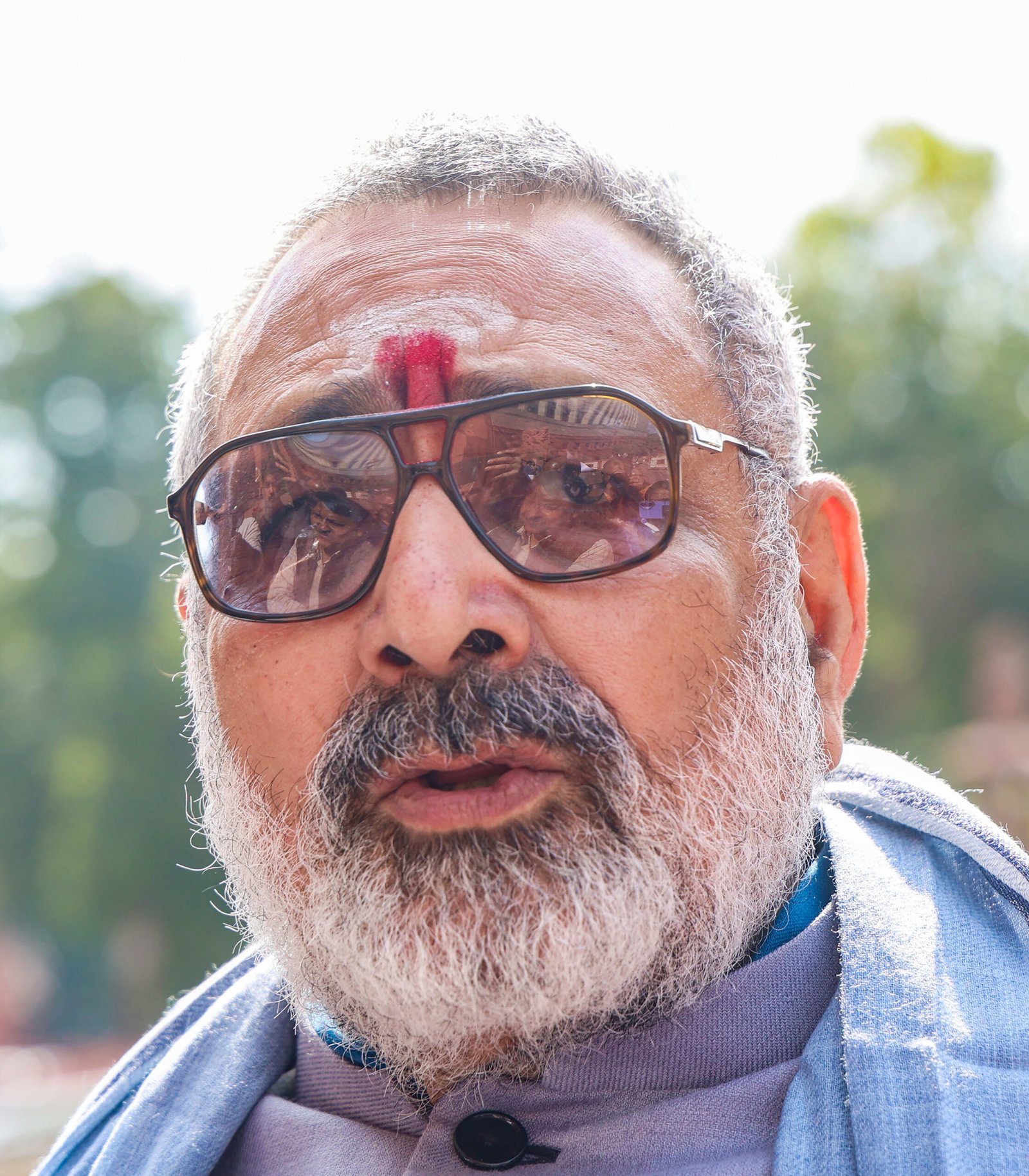
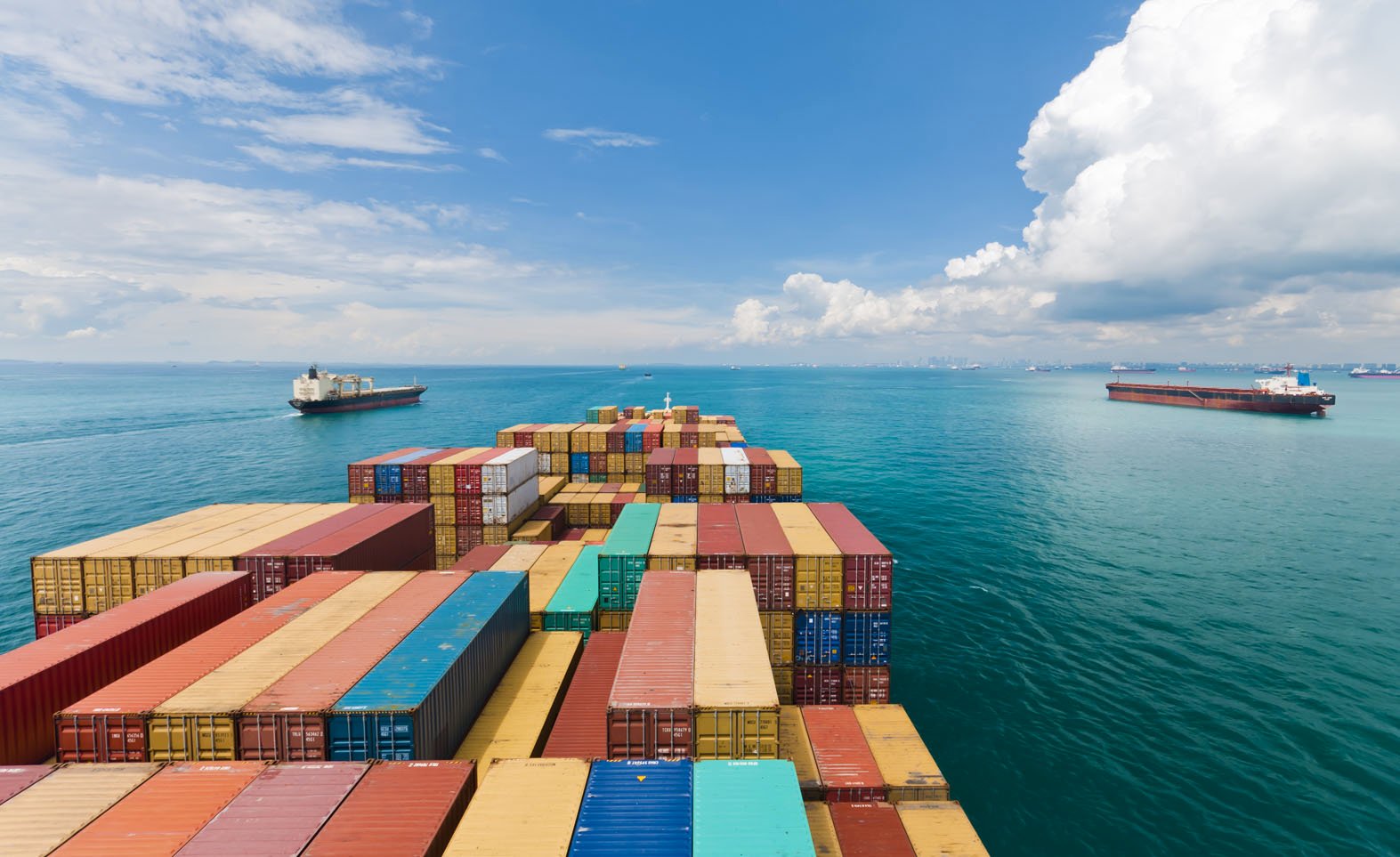
U.S. markets account for only a small share of Indian rice exports—about 274,000 tons out of a total of 6.065 million tons expected for 2024‑25—so higher tariffs would likely hurt American consumers more than Indian exporters, especially for premium basmati varieties.
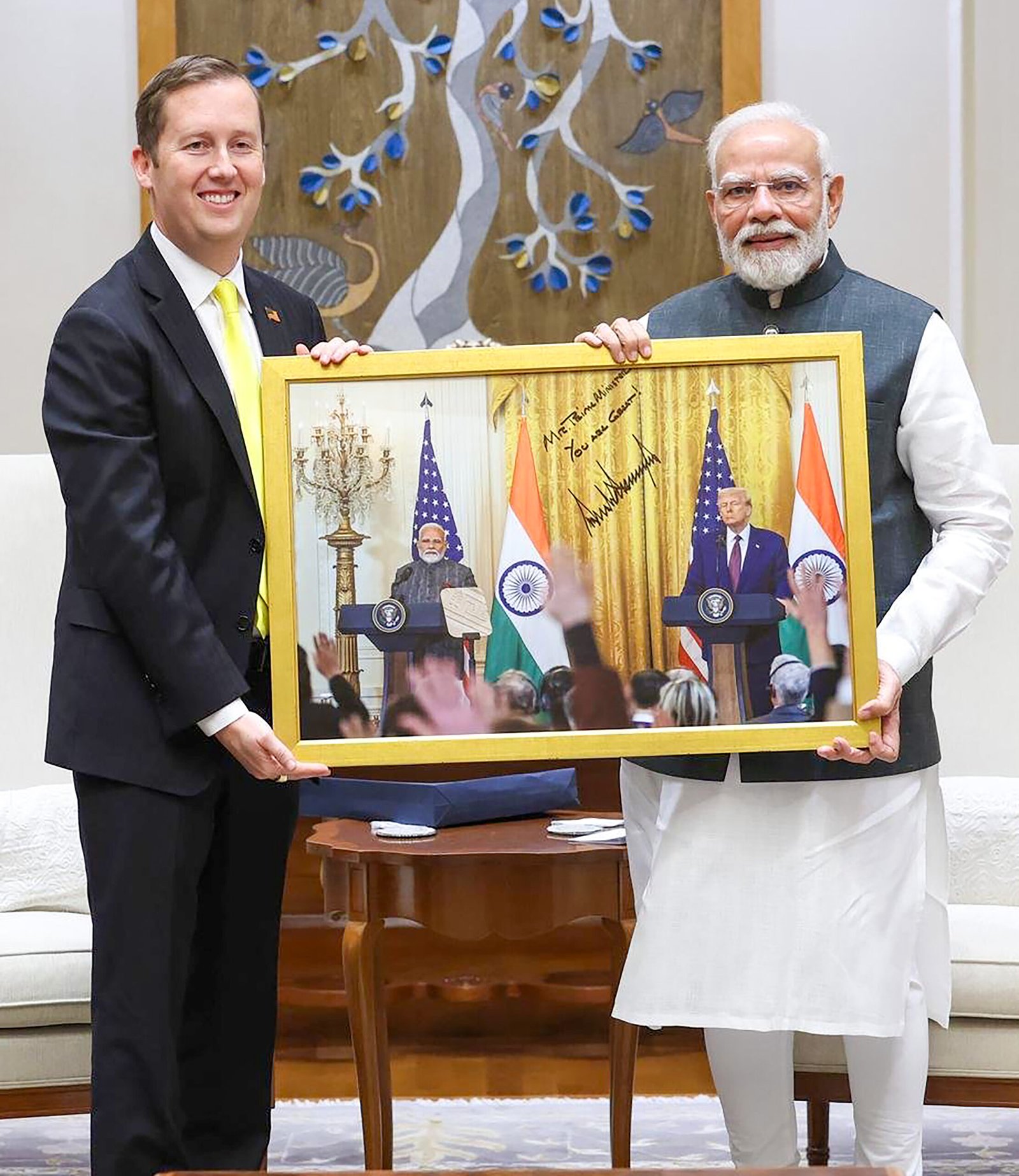
Meanwhile, a White House memorandum has reiterated the need for a trade and strategic partnership with New Delhi.
The “National Security Strategy of the United States of America, November 2025” reflects an interest in “aligning the actions of our allies and partners with our joint interest in preventing domination by any single competitor nation”.
Washington’s foreign‑policy posture swings between confrontation and conciliation, creating a mix of tariffs, strategic deals, and selective outreach that reshapes its ties with both India and China.
The result is tighter tactical cooperation with India on some fronts, but also growing friction; with China the pattern is a blend of competition and transactional engagement.
After threatening China with tariffs of up to 130 % and freezing bilateral trade talks, President Trump revived the “G2” idea in Busan, South Korea, on October 30. Ahead of his meeting with President Xi Jinping, he posted on Truth Social: “THE G2 WILL BE CONVENING SHORTLY!” and later called the summit a “great one” that would bring “everlasting peace”. Several concessions followed the Busan talks, with China pledging to buy American soybean and easing restrictions on the export of rare earths.
About a month later, the White House released a document stating its desire to align with the joint interest in preventing domination by “any single competitor nation”. It further urged New Delhi to contribute to Indo‑Pacific security, including through continued quadrilateral cooperation with Australia, Japan, and the United States—an important message to the other three Quad leaders. With Beijing, U.S. policy remains both confrontational and transactional. While the National Security Strategy frames China as a primary strategic competitor, recent actions—such as allowing certain AI‑chip exports under strict conditions—demonstrate selective engagement when U.S. economic interests align.
Punitive measures push partners toward hedging, while transactional openings create short‑term cooperation on narrow issues. The triangular dynamic among the U.S., India, and China is one of the most consequential features of contemporary geopolitics.
Washington’s approach to New Delhi and Beijing reveals both the opportunities and constraints of U.S. strategy in Asia. India is portrayed as a critical partner in the Indo‑Pacific, whereas China is cast as the main strategic rival. This framing sets the tone for how President Trump manages relations with the two countries.
Stay informed on all the latest news, real-time breaking news updates, and follow all the important headlines in world News on Latest NewsX. Follow us on social media Facebook, Twitter(X), Gettr and subscribe our Youtube Channel.