UK prosecutors inspect Tihar Jail amid India’s push to bring back fugitives


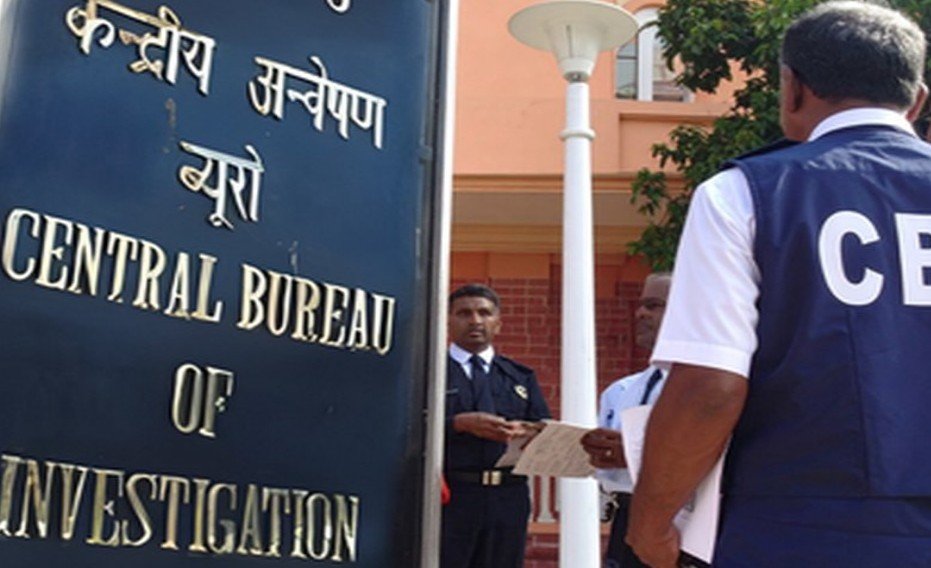
In a major move to strengthen efforts for bringing back high-profile economic offenders, a team from the United Kingdom’s Crown Prosecution Service (CPS) recently visited Tihar Jail in Delhi. The purpose of the visit was to inspect the jail’s facilities and check the living conditions of inmates.
During their visit, the British delegation toured the secure wards of Asia’s largest prison and met with some inmates. This inspection aims to assure UK courts that if fugitives like businessman Vijay Mallya and jeweller Nirav Modi are extradited to India, they will be kept in a safe and secure environment.
Indian officials explained the infrastructure, healthcare facilities, and security protocols at Tihar Jail. They also assured the UK team that no unfair treatment or unlawful interrogation would happen to any extradited prisoners.
Additionally, authorities suggested that a special enclosure could be created within the jail to safely house high-profile inmates, giving them proper amenities and protection.
This visit comes at a time when India has faced delays in extradition cases in British courts. Many defense lawyers have argued against deportation by citing poor prison conditions in India. By allowing external inspections like this, India hopes to address those concerns and strengthen its case in international law.

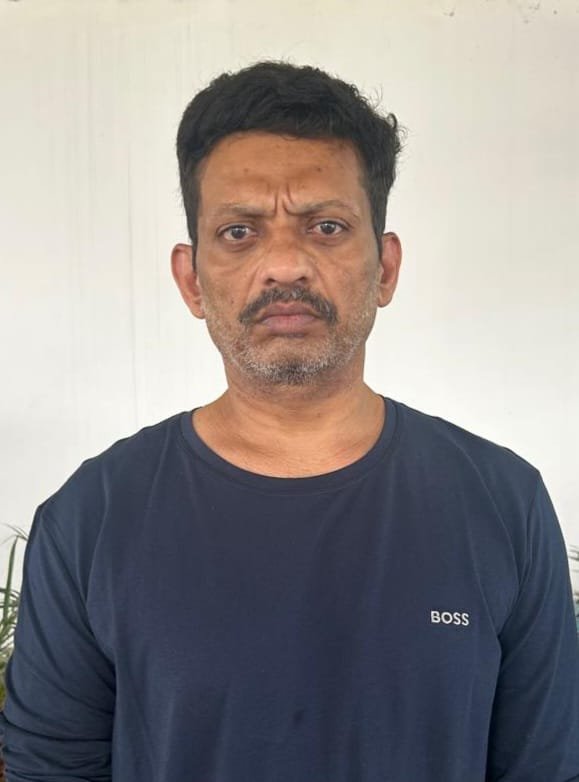

Currently, India has 178 extradition requests pending with various countries, including nearly 20 with the UK. These cases involve major economic offenders such as Vijay Mallya, accused of defaulting on over Rs 9,000 crore loans; Nirav Modi, wanted for a Rs 13,000 crore bank fraud; Sanjay Bhandari, a defense dealer; and several Khalistani separatist leaders.
The Indian government sees this CPS inspection as an important step to show its commitment to international legal standards. It aims to ensure accountability and improve the chances of faster extraditions of fugitives hiding abroad.
Officials expressed hope that this move will help expedite deportation processes and bring back economic offenders more quickly.