

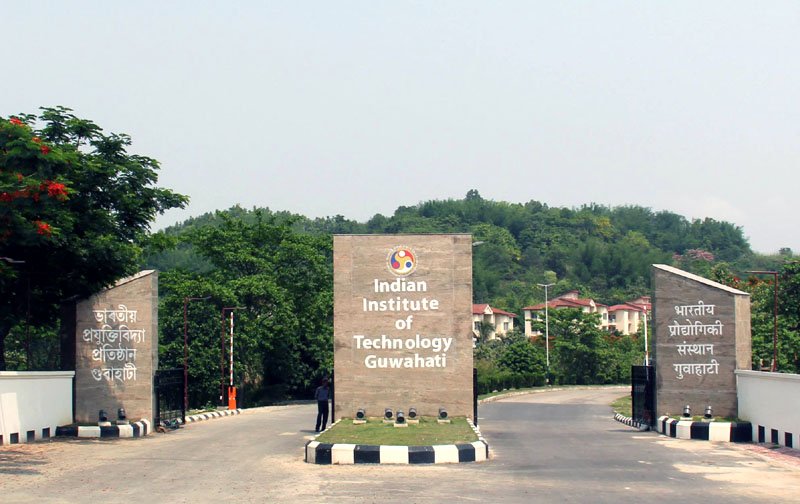
Guwahati, Jan 5 (IANS) In a significant step towards clean fuel and
environmental protection, researchers at the Indian Institute of Technology
(IIT) Guwahati have developed a photocatalytic material that can convert carbon
dioxide (CO₂) into methanol fuel using sunlight.
Even as the dependence on petroleum-based fuels continues to be a source of CO2
emissions, causing environmental stress and global warming, the study, published
in the Journal of Materials Science, addresses the most essential challenges —
on how to meet the rising energy needs without further harming the environment.
The new technology holds the potential to be used in industries such as thermal
power plants, cement manufacturing units, steel production facilities, and
petrochemical refineries, supporting the transition towards a circular carbon
economy and a cleaner energy future.
“The present work is expected to contribute towards mitigating environmental
problems, with simultaneous contribution towards green energy. Converting CO2 to
greener fuel using solar energy is a promising technology towards this
direction,” said Prof. Mahuya De, Professor, Department of Chemical Engineering,
IIT Guwahati.
Researchers worldwide have been working on addressing this critical challenge by
utilising graphitic carbon nitride, a low-cost, metal-free, non-toxic material.
However, due to limitations such as rapid energy loss and low fuel generation,
no prominent solution has been developed so far.




The IIT Guwahati team combined graphitic carbon nitride with few-layer graphene.
Known for its electrical conductivity and energy transfer capabilities, this
ultra-thin carbon material helped minimise energy loss within the catalyst.
The study demonstrated that the incorporation of few-layer graphene improved the
photocatalytic energy retention of carbon nitride under visible light/sunlight
exposure. It kept the catalyst active for a longer duration, resulting in better
light absorption and improved charge generation.
Among the composites tested, the catalyst with 15 weight percentage graphene
demonstrated the most efficient conversion of CO2 to methanol. It also displayed
strong stability, an important quality for its practical applications.
As the next step, the research team aims to scale the technology for practical
use. The team also plans to develop a long-lasting photocatalytic system that
can convert industrial CO2 emissions into clean fuels.
–IANS
rvt/
Stay informed on all the latest news, real-time breaking news updates, and follow all the important headlines in world News on Latest NewsX. Follow us on social media Facebook, Twitter(X), Gettr and subscribe our Youtube Channel.