Gujarat CM Bhupendra Patel to inaugurate Vibrant Gujarat Regional Conference on October 9


(source : ANI) ( Photo Credit : ani)
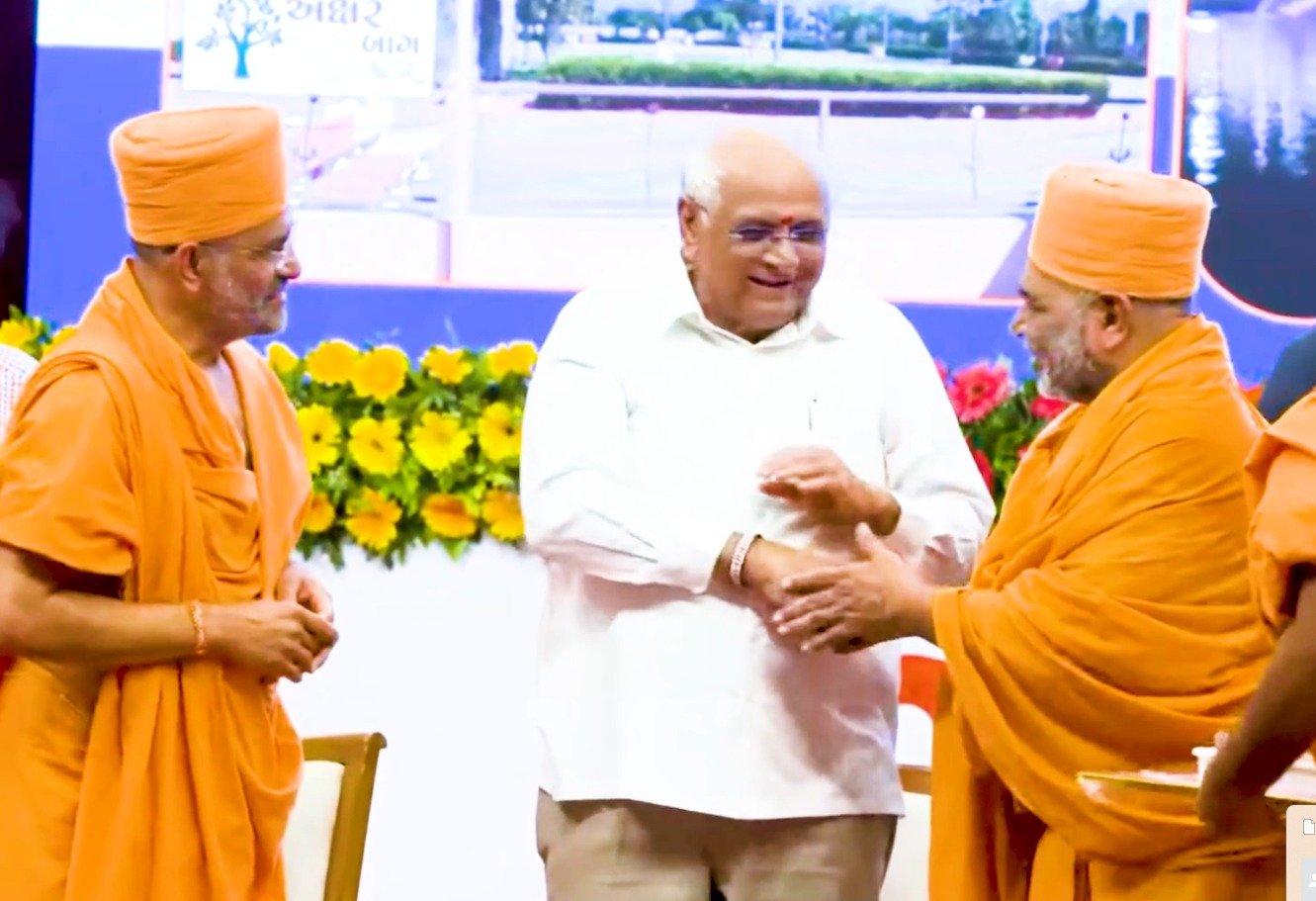
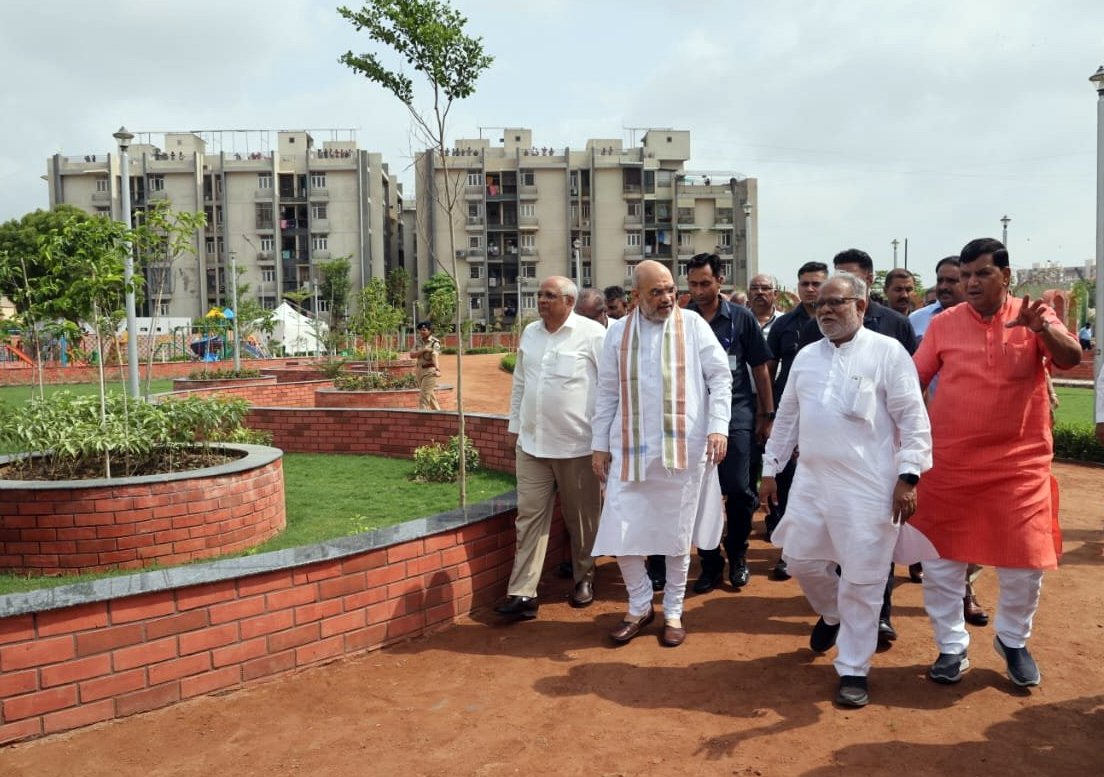
The Vibrant Gujarat Regional Conference (VGRC) North Gujarat will kick off on October 9‑10, 2025, at Ganpat University in Mehsana, Gujarat. Chief Minister Bhupendra Patel is set to open the event, bringing the state’s push toward Viksit Gujarat—Viksit Bharat—into sharper focus.
The conference will host a mix of high‑profile leaders and industry experts. Railways, Information & Broadcasting, Electronics & IT Minister Ashwini Vaishnaw, ISRO Chairman Dr V Narayanan, and astronaut Shubhanshu Shukla will attend the opening ceremony. Before the speeches, the Chief Minister and other dignitaries will tour the Vibrant Gujarat Regional Exhibition, where the latest products and technologies from India’s fast‑growing sectors will be on display.
The exhibition will spread across 18,000 square metres and include more than 400 exhibitors. Big names such as Torrent, Welspun, NHPC, NTPC, Kosol, Suzlon, Avaada, Nirma, INOX, Adani, Maruti Suzuki, Power Grid, and ONGC will showcase everything from agro‑food processing to renewable energy. Separate pavilions will spotlight Agri‑Tech, Green Energy, and Food‑Tech, giving entrepreneurs, MSMEs, and rural startups a platform to shine.
International participation is a key feature of VGRC North Gujarat. Partners include Japan, South Korea, Vietnam, and the Netherlands for agriculture‑specific seminars. The World Bank, Japan External Trade Organisation (JETRO), Russian Federation trade representatives, Indo‑Canadian Business Chamber, and US‑India Strategic Partnership Forum will also attend, fostering cross‑border trade, investment and tech collaboration.
Beyond the trade show, the conference offers business‑matching sessions. A Vendor Development Program (VDP) will connect companies like Dudhsagar Dairy, ONGC, Western Railway, and McCain Foods with potential partners. A Reverse Buyer‑Seller Meet (RBSM) will bring 34 buyers from 17 countries, creating over 500 meeting slots for local products aimed at boosting exports.


Entrepreneurs will find a dedicated space at the Udyami Mela, where Mentors and institutions will share guidance on government schemes, policies, and new startup opportunities. The event’s food court will celebrate Can’s regional cuisine and highlight millet‑based dishes, supporting the “Shree Anna” initiative that promotes millets as a symbol of healthy living and sustainable farming.
VGRC North Gujarat is more than a trade fair; it is a showcase of community‑driven progress under the “Har Ghar Swadeshi” ethos. The conference underscores Gujarat’s pivotal role in India’s developmental journey and pushes the entire country one step closer to the Viksit Gujarat vision for 2047.
Source: aninews
Stay informed on all the latest news, real-time breaking news updates, and follow all the important headlines in world News on Latest NewsX. Follow us on social media Facebook, Twitter(X), Gettr and subscribe our Youtube Channel.