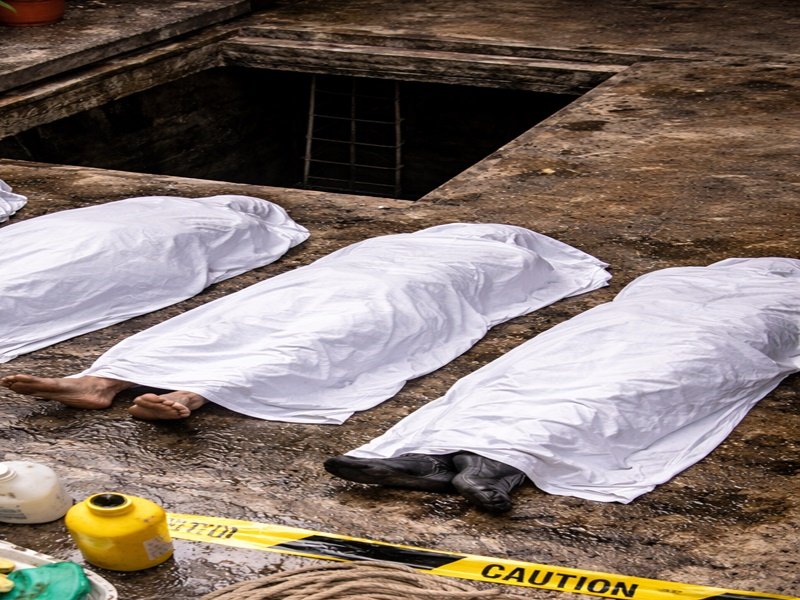
TN: Trichy City Police register cases against TVK workers for property damage in rally


(source : ANI) ( Photo Credit : ani)
TVK Rally in Trichy Sparks Police Action Over Property Damage
Police in Trichy, Tamil Nadu, have filed three FIRs against members of Tamilaga Vettri Kazhagam (TVK) after a vehicle rally turned chaotic on September 13. The rally, held near the MGR statue at Marakkadai, allegedly broke police rules and damaged public and private property, leading to quick action from authorities.
The cases popped up at three local stations: Cantonment under the TNPPDL Act, Gandhi Market under sections 296(b) and 324(5) of the BNS, and Srirangam under the TNOPPD Act. In the Cantonment case, TVK district president Karikalan and four other party workers face charges. The remaining two cases target unknown individuals. So far, no one has been arrested, but police are investigating the violations tied to rally permissions and campaign rules.
Importantly, TVK chief Vijay and general secretary Bussy Anand aren’t named in any of these cases, police confirmed.
The rally kicked off Vijay’s big statewide campaign launch in Tiruchirappalli on Saturday. Speaking to a huge crowd, Vijay fired up supporters with a strong speech slamming the ruling DMK for breaking 2021 election promises. He kicked things off by drawing a parallel to ancient traditions: "In the old days, warriors visited their family deity for blessings before battle. Today, before our electoral fight, I came to meet my people here."
Vijay highlighted Trichy’s key role in Tamil Nadu politics and culture. He recalled how former Chief Minister CN Annadurai chose to contest from here in 1956, and MG Ramachandran held his first major political conference in the city in 1974. "Trichy has always been a game-changer in Tamil Nadu politics," he said, also nodding to its rich heritage, religious unity, and social justice legacy from Periyar, the founder of DK.


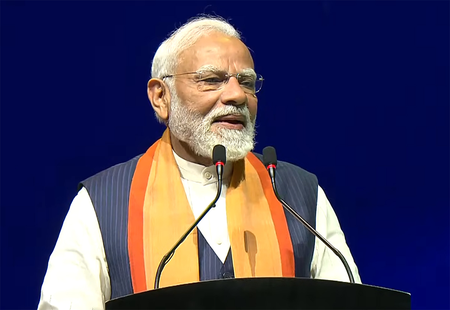
Turning his guns on the DMK’s 2021 manifesto, Vijay questioned their track record. "They promised 505 things—where are they now? What about slashing diesel prices by Rs 3, monthly electricity billing, waiving student loans, 40% job quota for women in government jobs, restoring the old pension scheme, and filling two lakh vacancies?" he asked, urging the crowd to hold the government accountable.
This TVK campaign launch in Trichy marks a bold start to Vijay’s push against the DMK ahead of future elections, blending local history with sharp critiques of unkept promises.
Stay informed on all the latest news, real-time breaking news updates, and follow all the important headlines in world News on Latest NewsX. Follow us on social media Facebook, Twitter(X), Gettr and subscribe our Youtube Channel.